Premium Aircon Installation Materials Matter
A new air-conditioning system can look perfect on day one and still give you trouble months later. That usually comes down to what sits behind the walls, above the ceiling, and inside the trunking. Premium aircon installation materials are not a cosmetic upgrade. They directly affect cooling performance, energy use, leak risk, noise, and how well the system holds up over time.
For homeowners and business operators, this is where many installation quotes start to look similar on paper while being very different in reality. One contractor may focus on the indoor and outdoor units alone. Another may explain the copper thickness, insulation grade, cable quality, drainage setup, and finishing work because these details shape the reliability of the full system. If you plan to live or operate in the space for years, those details matter.
What premium aircon installation materials actually mean
The term sounds straightforward, but it is often used too loosely. Premium does not just mean more expensive. It means materials chosen for better durability, safer performance, and stronger compatibility with modern inverter systems.
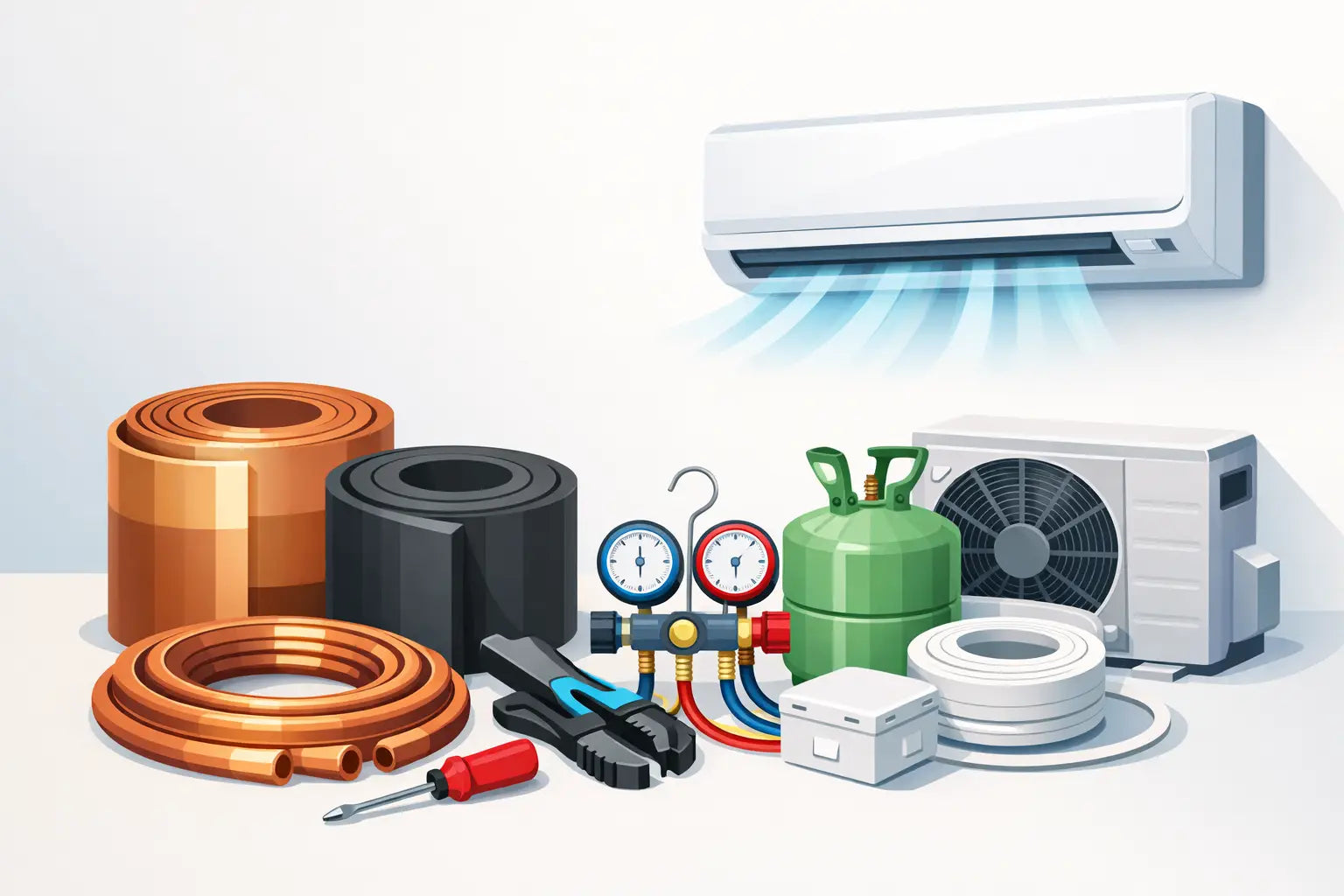
In an aircon installation, the key materials usually include copper piping, insulation, electrical cables, drainage pipes, control wiring, trunking, brackets, and finishing components. Each one plays a specific role. If one weak link fails, the whole installation can suffer. A high-quality condenser and indoor unit cannot compensate for poor piping or undersized cables.
That is why workmanship and materials have to be considered together. Good installers can only do so much with low-grade materials, and premium materials can still be wasted by careless installation. The best results come from both.
Why premium aircon installation materials affect long-term cost
The cheapest quote often feels attractive because air-conditioning is already a major purchase. But installation quality tends to show its value later, not at the point of payment.
Thicker copper piping, for example, is less prone to weakness, deformation, and future refrigerant issues when installed correctly. Better insulation helps reduce thermal loss and condensation problems, which can lead to dripping, staining, or inefficient cooling. Higher-quality cables support stable electrical performance and reduce the risk of premature wear.
These are not theoretical benefits. They affect service frequency, repair risk, and system lifespan. A lower upfront price can become more expensive if it leads to gas leaks, water leaks, repeated troubleshooting, or reinstall work.
For commercial users, the trade-off is even sharper. In an office, shop, clinic, or restaurant, downtime is not just inconvenient. It can disrupt staff, customers, and daily operations. Paying attention to installation materials from the start is often the more practical business decision.
Copper piping is one of the biggest quality markers
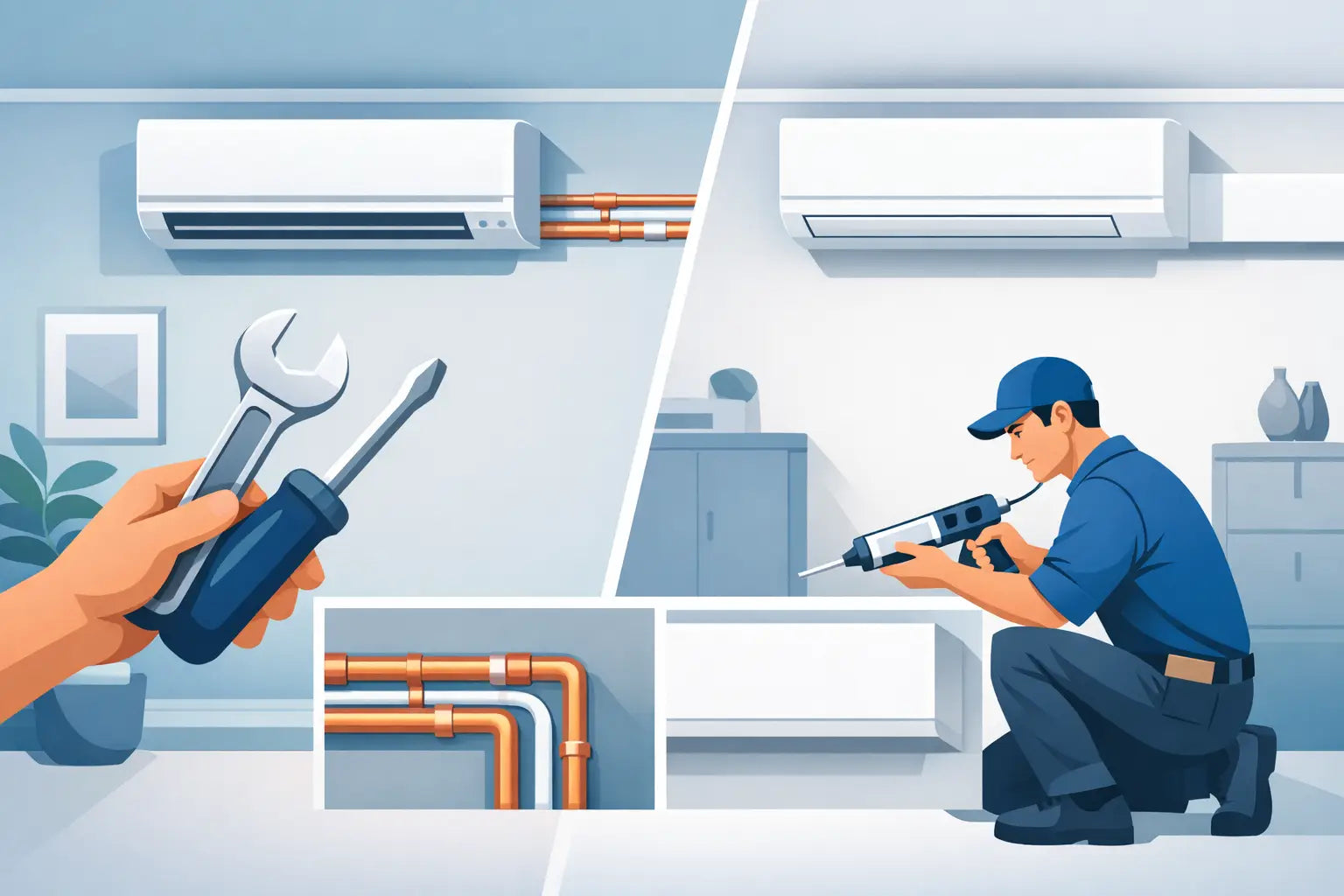
When people ask what separates a basic installation from a better one, copper piping is usually near the top of the list. Refrigerant lines are the backbone of the system. They carry the refrigerant between indoor and outdoor units, so their quality matters more than many buyers realize.
Thicker copper piping generally offers better durability than thinner alternatives. It can better withstand installation handling, vibration, and long-term use when matched to the system design. This does not mean every project needs the same specification. Pipe length, system size, and property type all influence what is appropriate. But if a quote is vague about copper grade or thickness, that is worth questioning.
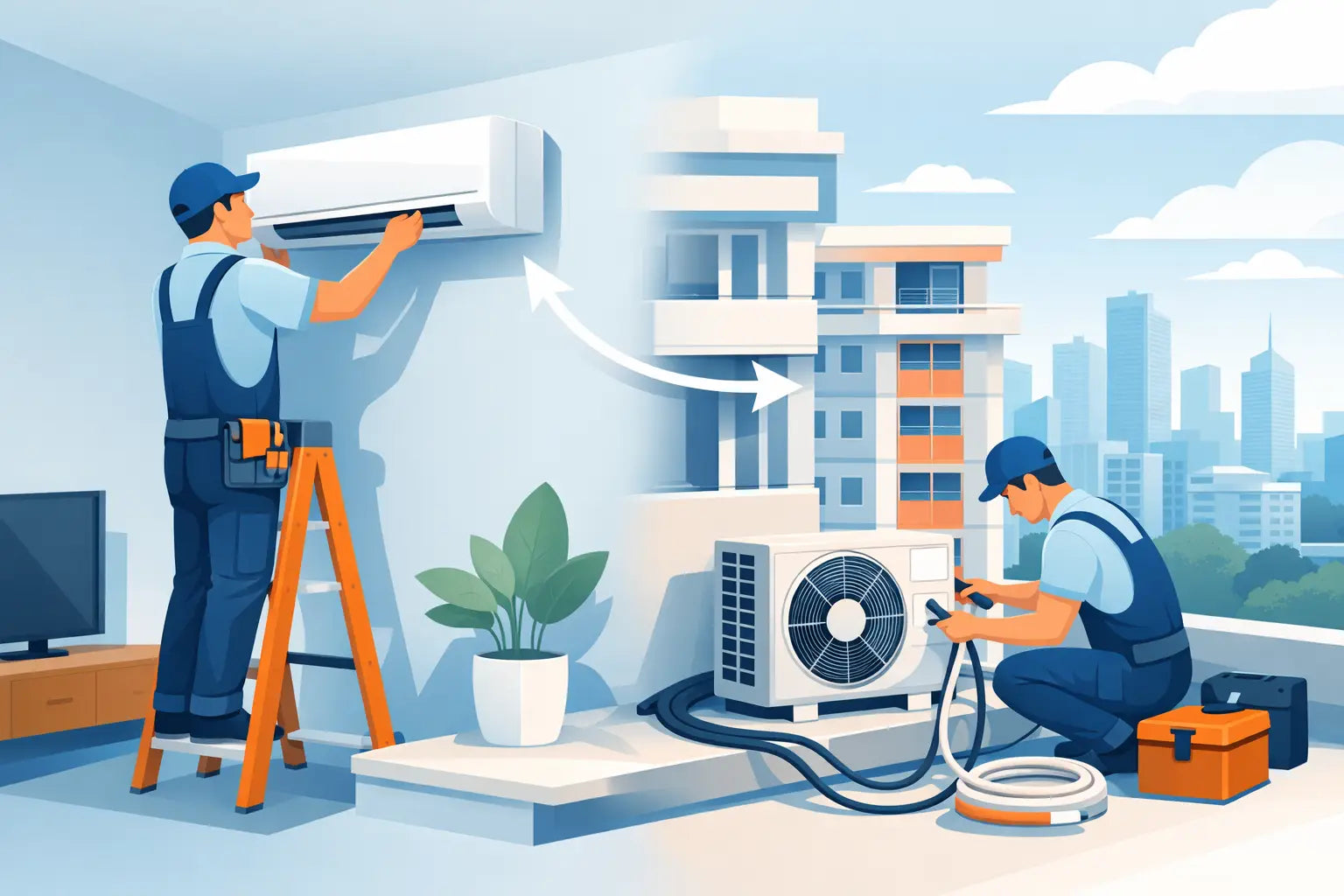
A proper installer should also route the piping neatly, secure it well, and avoid careless bends that restrict flow or create stress points. Premium material helps, but execution still decides the result.
Insulation quality matters more in real spaces than in brochures
Aircon insulation is easy to overlook because it is hidden once the job is done. Yet poor insulation often reveals itself through sweating pipes, reduced efficiency, and moisture-related problems.
This is where higher-grade insulation such as Class 0 options can make a meaningful difference. Better insulation helps maintain thermal performance and can reduce condensation risk, especially in hot and humid climates or demanding commercial settings. It also supports cleaner, more stable long-term performance when paired with proper sealing.
Not every buyer needs to become an insulation expert, but you should know whether the installer is using entry-level foam or a more advanced specification. If the answer is unclear, that tells you something about the standards behind the package.
Cables, drainage, and fittings are not minor details
Some installation problems have nothing to do with the aircon brand. They come from supporting materials that were treated as afterthoughts.
Electrical cables need to be appropriately rated, durable, and installed neatly. Cheap or inconsistent cable quality can create avoidable reliability issues over time. Drainage materials also matter because poor water discharge setup leads to one of the most common homeowner complaints - leaking indoor units.
Even smaller items such as connectors, clips, brackets, and trunking affect the final outcome. Weak supports, sloppy trunking joints, or poor sealing may not stop the system from running immediately, but they often show up later as rattling, staining, sagging, or a visibly messy finish.
This is why serious installers pay attention to the complete material package instead of talking only about the brand of aircon unit.
Premium aircon installation materials for homes
In residential projects, the right material choices depend on layout, renovation condition, and how long you plan to stay in the home. A family moving into a new place may want a cleaner concealed setup and stronger material specifications to avoid reopening ceilings or walls later. A landlord preparing a rental unit may be more cost-sensitive, but still needs a setup that will not trigger repeated service calls.
For HDBs, condos, and landed homes, neat routing and finishing matter alongside technical performance. Homeowners want the system to cool well, look tidy, and stay trouble-free. That is why better insulation, solid copper piping, and good box-up or trunking work often provide stronger value than simply chasing the lowest package price.
It also helps to think beyond the installation date. If the materials are better and the piping layout is planned properly, routine servicing becomes more straightforward and future repair risk may be lower.
Premium aircon installation materials for commercial spaces
Commercial environments tend to expose weak installations faster. Longer operating hours, heavier cooling demand, and tighter service expectations mean the margin for shortcuts is smaller.
An office may need stable comfort across working hours without frequent complaints from staff. A retail space needs consistent cooling to keep customers comfortable. F&B operators may face higher heat loads and cannot afford avoidable downtime. In these settings, premium aircon installation materials support performance consistency, not just longevity.
The right setup still depends on the site. A small office and a busy kitchen are not the same project. But in general, businesses benefit from choosing contractors who can explain material specifications clearly and manage installation with an in-house team that follows a defined standard. That reduces the risk of miscommunication and uneven workmanship.
How to judge an installation quote properly
A good quote should help you compare substance, not just totals. If one proposal is much cheaper, ask what has been reduced. Sometimes the difference is fair and practical. Sometimes it is hiding lower-grade materials or a thinner scope.
Look for clarity on copper specification, insulation brand or grade, cable quality, drainage materials, and finishing details. Ask who performs the installation and who handles after-sales support if something goes wrong. A trustworthy company should be comfortable answering these questions directly.
This is also where transparency matters. A workmanship-focused installer will usually explain why certain materials are used and where the value comes from. Commercestar Engineering has built its approach around that principle by treating installation quality as a core product, not an invisible add-on.
Better materials are only worth it when the installer knows how to use them
There is no point paying for upgraded materials if the installation team rushes the work. Premium insulation that is poorly sealed, good copper that is badly bent, or quality cables that are loosely managed will not deliver the full benefit.
That is why buyers should look for a company that combines technical specifications with accountable execution. Reviews, project photos, scope clarity, and after-sales structure all help show whether the installer stands behind the work.
A well-installed system usually feels uneventful in the best way. It cools properly, drains properly, looks neat, and does not keep pulling you back into repair mode. That is the real value behind better materials. They help create an installation you do not have to keep worrying about.
When you compare aircon options, do not stop at the model number or the promotional price. Ask what is going into the installation itself, because the hidden materials often decide whether your aircon stays a good purchase long after the sale is done.