Aircon Installation for HDB Done Right
If you have ever walked into an HDB flat with brand-new air-conditioning that already drips, rattles, or struggles to cool the bedroom, you already know the truth about aircon installation for HDB homes - the unit brand matters, but the installation quality matters just as much.
That is especially true in Singapore, where HDB layouts, trunking routes, wall positions, and renovation constraints can make a straightforward job less straightforward than it looks. A proper installation is not just about hanging indoor units and turning the system on. It is about planning pipe runs correctly, using durable materials, keeping the finish neat, and setting up the system for long-term reliability.
Why aircon installation for HDB needs proper planning
HDB flats are practical spaces, but they are not all the same. A newer BTO flat may have tighter service yard layouts and stricter renovation coordination. A resale flat may come with old piping, concealed trunking, or previous installation work that looks acceptable on the surface but creates problems later.
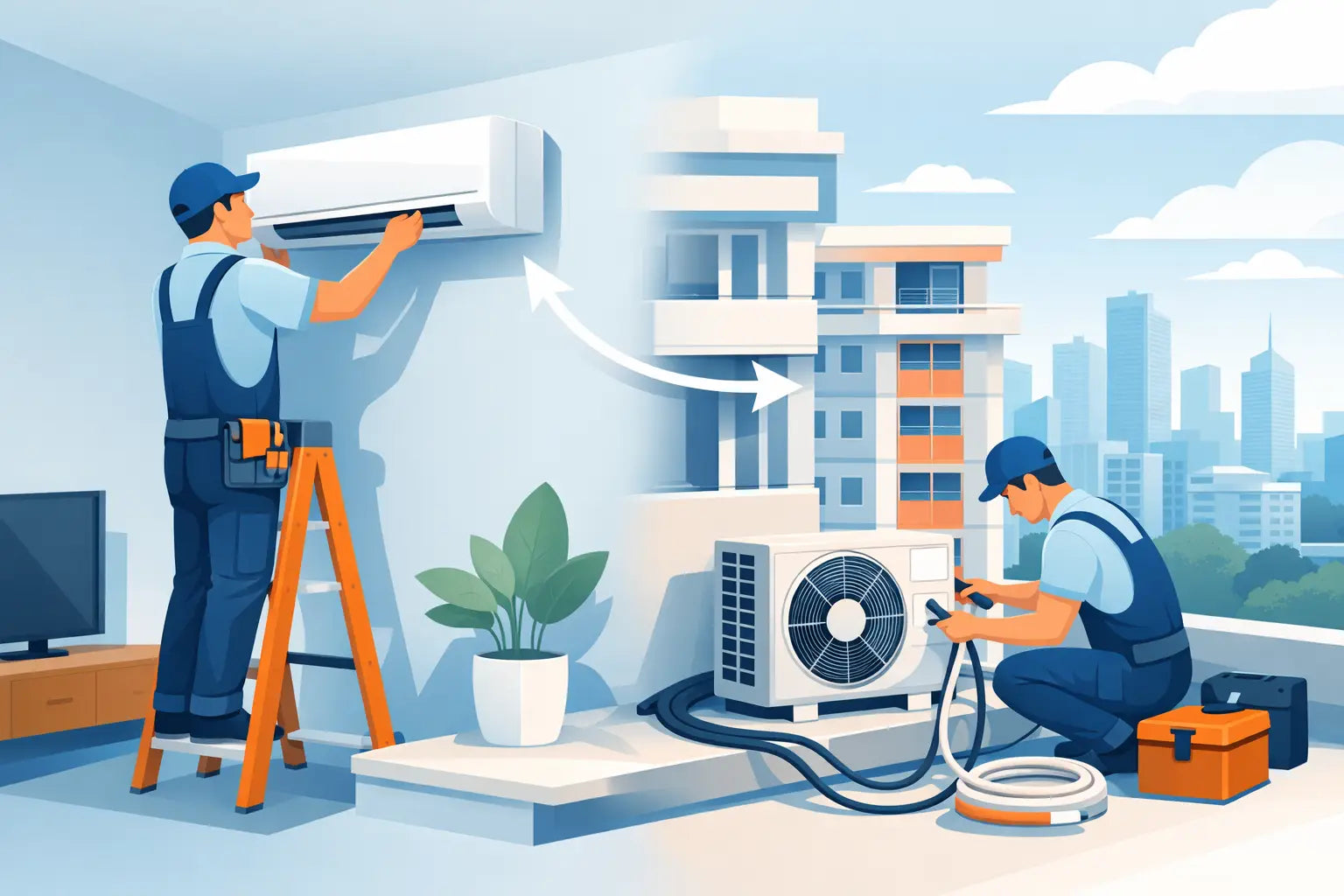
That is why planning comes first. The installer needs to assess how many rooms need cooling, where the fan coil units should sit, how the refrigerant piping will run, where the drainage line will discharge, and whether the outdoor condenser location allows for safe and efficient installation. If any of these are treated as afterthoughts, the homeowner often pays for it later through water leaks, poor cooling, or costly rectification.
System sizing is another area where shortcuts cause trouble. Bigger is not always better. An oversized system may cool too aggressively and cycle poorly, while an undersized one will run too hard and still leave parts of the flat warm. The right setup depends on room size, sun exposure, usage pattern, and the number of indoor units connected to the condenser.
What homeowners should look for before installation starts
The most common mistake is comparing quotes based only on price and brand. Two packages can look similar on paper but be very different in actual installation quality.
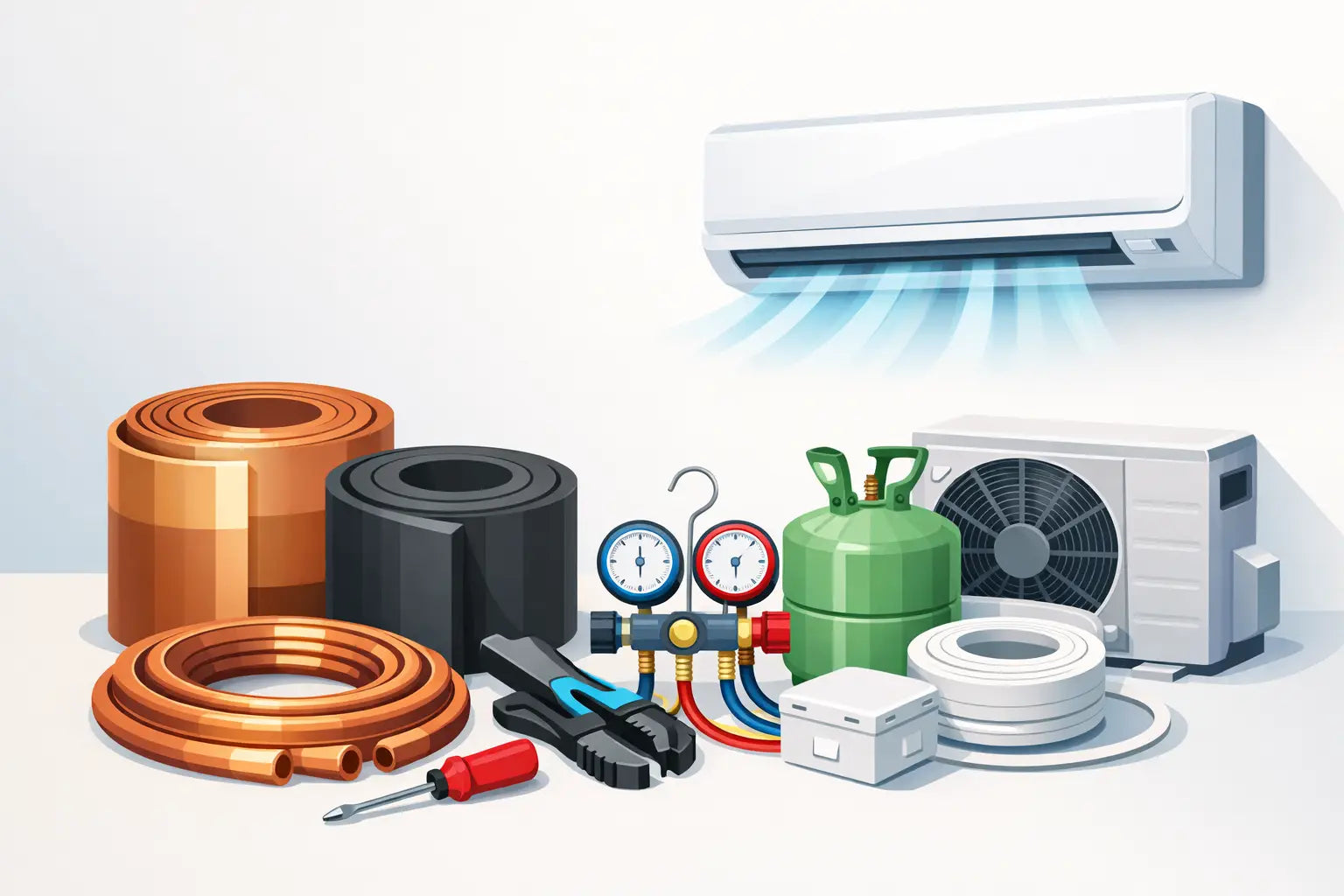
For HDB installations, materials matter. Copper pipe thickness affects durability. Insulation quality affects thermal performance and condensation control. Cable quality affects safety and reliability. Even drainage setup matters because a badly planned drain line can lead to backflow, staining, or water dripping from the unit.
This is where workmanship becomes visible over time. Better installers do not just complete the job. They explain pipe routing, advise on trunking positions, protect the home during installation, pressure test properly, vacuum the system thoroughly, and make sure the final finish is neat. Homeowners may not see the copper pipe once trunking is closed, but they will definitely feel the difference if the hidden work was done poorly.
If the proposal includes upgraded materials such as thicker copper piping, Class 0 insulation, or better-grade electrical cables, that is not sales padding by default. In many cases, it reflects a more durable installation standard. The key is whether the installer can explain why those upgrades matter in practical terms.
Choosing the right setup for an HDB flat
The best aircon setup for an HDB flat depends on the flat type and how the rooms are used. A smaller unit mix may work well for a couple who only cool the bedrooms at night. A family with children, elderly occupants, or hybrid work schedules may need a more flexible system that supports daytime use across multiple rooms.
For many HDB owners, a multi-split system is the natural choice because it allows several indoor units to connect to one outdoor unit. That helps when outdoor space is limited. Still, the exact combination should be planned carefully. If every room is expected to run at the same time, the system capacity has to reflect that reality rather than idealized usage.
Placement also affects performance. An indoor unit should not blow directly onto the bed or dining area if it creates discomfort. At the same time, it should have enough clearance for proper airflow and future servicing. In compact HDB rooms, getting that balance right takes experience.
HDB piping, trunking, and drainage - where many problems begin
A lot of aircon complaints can be traced back to piping and drainage, not the air-conditioning brand itself.
In HDB flats, the piping route often needs to pass through bedrooms, living areas, or service spaces before reaching the condenser. If the route is too long, too messy, or badly angled, the installation may still function at first but become harder to service and more prone to issues later. Neat trunking is not just cosmetic. It usually reflects whether the installer planned the route properly.
Drainage is even more sensitive. The drain pipe needs correct fall and support so condensation water can flow out smoothly. If it is poorly aligned, water can collect, clog, or back up into the unit. That is when homeowners start seeing leakage marks on walls or puddles under the fan coil.
For some homes, box-up work can help create a cleaner finish by concealing piping more elegantly. But this should be done with service access in mind. A beautiful concealment job that makes future maintenance difficult is not a smart trade-off.
The hidden difference between cheap and dependable installation
Low pricing gets attention, but hidden compromises usually show up after handover.
Some contractors cut costs by using thinner copper, lower-grade insulation, inconsistent manpower, or rushed installation methods. Others rely heavily on loosely coordinated subcontract crews, which can create gaps in accountability. When something goes wrong, the homeowner ends up chasing different parties instead of getting one clear response.
A dependable installation company usually has a more controlled process. Site assessment is clearer. Materials are specified upfront. The installation team follows a set method. Testing is done properly before completion. After-sales support is also easier because the company knows what was installed and how the work was carried out.
That structure matters more than most people realize. Air-conditioning is not a one-day purchase. It is a system you will rely on for years. Paying slightly more for better workmanship and stronger support often saves money, stress, and repeat repair visits down the road.
How to compare quotes for aircon installation for HDB flats
When reviewing quotations, homeowners should ask what is included beyond the indoor and outdoor units. A proper quote should spell out installation scope clearly instead of hiding key items under vague wording.
Look at the piping material specification, insulation type, cable origin or grade, trunking size, bracket quality, drainage arrangement, and whether dismantling or disposal of old units is included. Check if testing and commissioning are part of the package. Ask whether there are additional charges for longer pipe runs, difficult access, or upgraded finishing work.
You should also ask who is carrying out the job. An in-house team generally offers better consistency than a loosely assembled labor arrangement. That does not mean every subcontracted crew is poor, but accountability tends to be stronger when one company manages the process directly.
Reviews help too, especially when they mention punctuality, cleanliness, communication, and after-sales support rather than just saying the installation was cheap. Thousands of strong reviews do not replace technical due diligence, but they do give useful insight into how a company performs at scale.
What happens on installation day
A well-managed installation day should feel organized, not chaotic. The team should confirm unit locations, protect floors and nearby furniture where necessary, and walk the homeowner through the pipe routing before major work begins. If there are site constraints, they should explain the options instead of making last-minute decisions without approval.
After mounting the units and completing the piping, the system should be pressure tested and vacuumed properly before commissioning. This part is easy for homeowners to miss because it happens in the middle of the job, but it is essential for system health. Skipping or rushing these steps can contribute to poor cooling performance and compressor issues later.
Once the system is running, the installer should check airflow, drainage, and cooling response. The handover should be clear and practical. Homeowners should know how to use the remote, how often to schedule servicing, and what signs to watch for if something is not performing normally.
Long-term value starts at installation
Good air-conditioning performance is built, not assumed. The right brand helps. The right system sizing helps. But in an HDB flat, long-term results usually come down to whether the installer respected the details - routing, drainage, insulation, pipe quality, neat finishing, and proper testing.
That is why many homeowners choose specialists such as Commercestar Engineering, where installation quality is treated as part of the product rather than an afterthought. Better materials, careful workmanship, and responsive after-sales support are not extras for show. They are what keep the system cooling reliably long after the first week.
If you are planning a new setup or replacing an older system, focus on the installation standard as seriously as the unit itself. A colder home is easy to promise. A dependable one takes proper work.