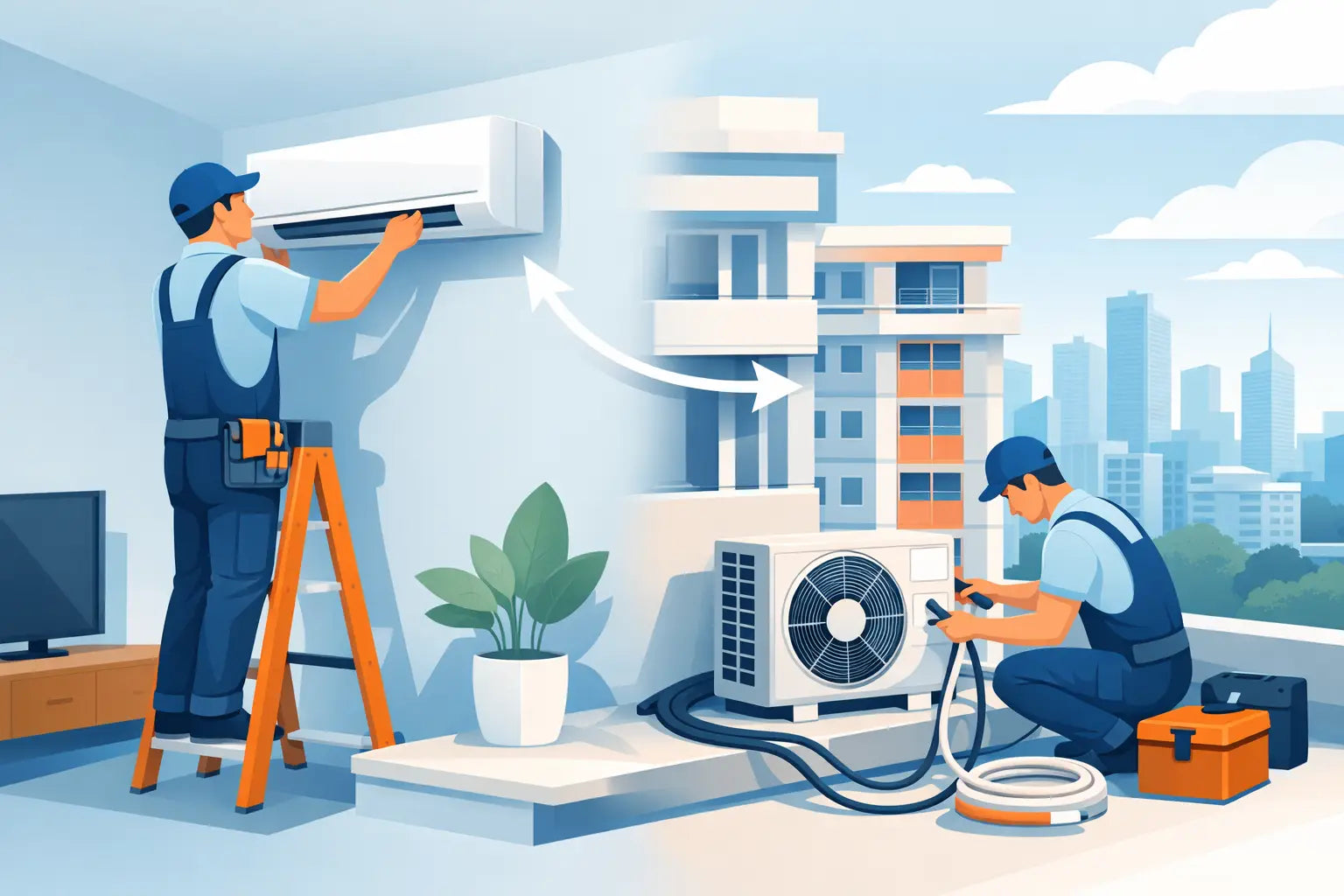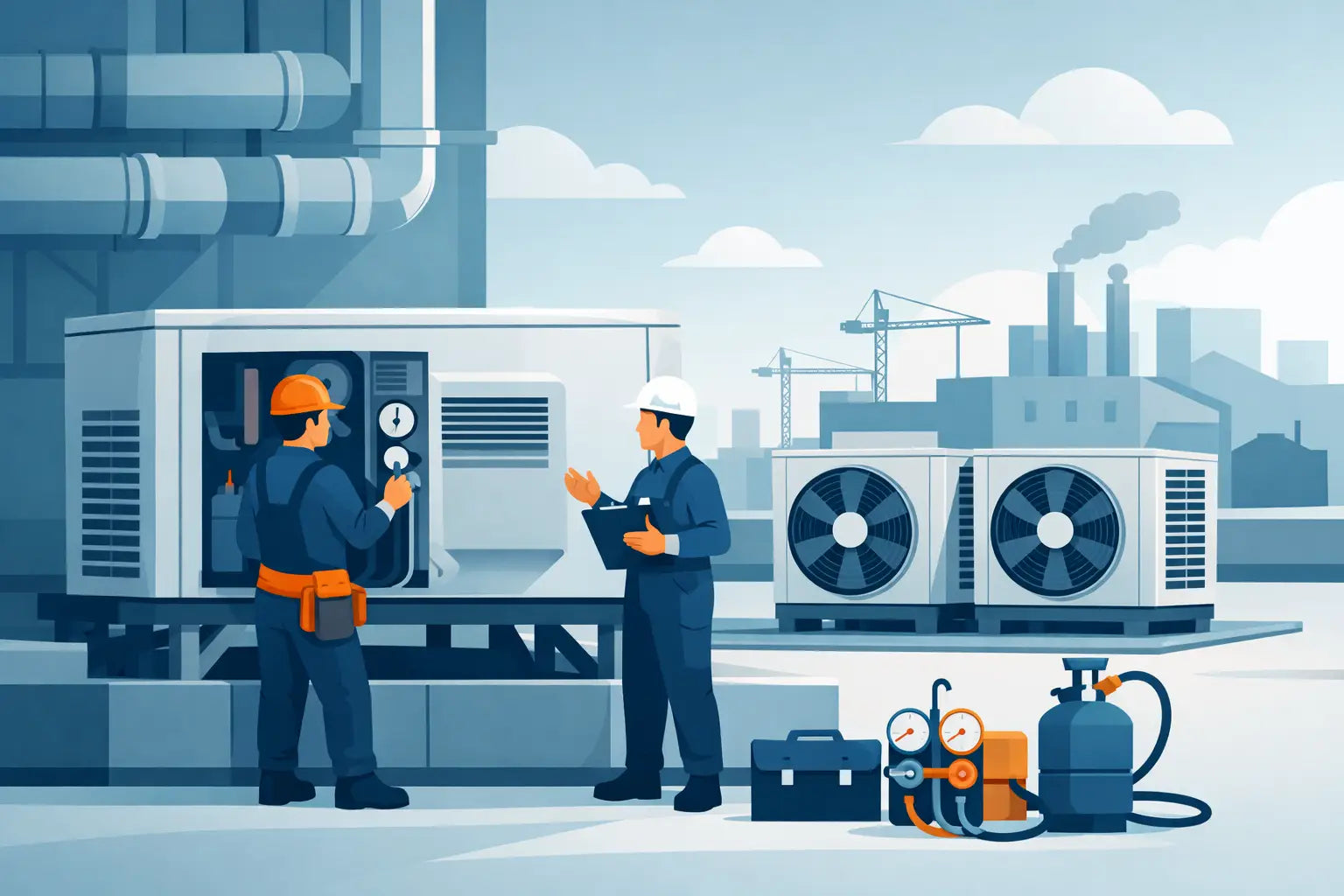
Office Aircon Installation Service Guide
A meeting room that feels stuffy by 10 a.m. is not a small problem. It affects focus, client comfort, equipment performance, and how your workplace is perceived. That is why office aircon installation service should never be treated like a basic purchase of indoor units and outdoor condensers. The installation itself shapes how well the system cools, how long it lasts, and how often you end up paying for repairs.
For offices, the wrong setup usually shows up fast. You get hot spots near glass panels, overcooled workstations, noisy fan coil units, water leaks after a few months, or energy bills that keep creeping up. In many cases, the issue is not the air-conditioner brand alone. It comes down to planning, material quality, and whether the installer understood the way the office actually operates.
What a good office aircon installation service really covers
A proper office installation starts before any drilling begins. The cooling load has to match the space, not just the floor area on paper. An open-plan office, a partitioned office, and a client-facing showroom can have very different heat loads even if they look similar in size. Headcount, server equipment, sun exposure, lighting, and operating hours all matter.
This is where many buyers get tripped up. They compare quotations based only on unit price or total package cost. That can be misleading. A lower quote may use thinner copper piping, lower-grade insulation, or rushed routing that looks acceptable at handover but creates long-term issues. Office spaces need stable performance, especially when downtime affects staff productivity or customer experience.
A dependable installer will look at system sizing, airflow direction, drainage, piping routes, trunking finish, electrical load, and service access. If any one of those is poorly handled, the system can become harder to maintain and more expensive to run.
Why installation quality matters more in offices
In residential spaces, an aircon issue is inconvenient. In an office, it can interrupt business. Staff complaints build quickly when some zones are too warm and others feel freezing. Meeting rooms often need faster cooling recovery because occupancy changes throughout the day. Reception areas need to feel comfortable without blasting cold air directly at guests.
That is why office aircon installation service needs a commercial mindset. The installer should think beyond getting the units mounted and powered on. The real goal is consistent cooling, clean finishes, manageable maintenance, and minimal disruption to daily operations.
Material choices play a big part here. Better insulation helps reduce condensation risk and improves thermal performance. Thicker copper piping supports durability. Reliable cables and proper drainage work reduce the chance of future faults hidden behind ceilings or wall finishes. These details are easy to overlook during procurement, but they are often what separate a smooth system from a problematic one.
The hidden cost of cheap installation
A lower upfront quote can become expensive if it leads to refrigerant leaks, poor drainage, messy patchwork, or repeated service calls. Offices are especially sensitive to these failures because repairs may need to be scheduled after hours, coordinated with landlords, or done around employee activity.
There is also the reputation factor. If your office welcomes customers, partners, or tenants, visible water stains, exposed piping, or a warm reception area reflect poorly on the business. A clean and well-planned installation protects more than comfort. It protects presentation.
How to evaluate an office aircon installation service
The best way to compare providers is to look past broad promises and ask what is actually included. A professional contractor should be able to explain the proposed system clearly, including capacity, layout, materials, and installation method. If the explanation stays vague, that is usually a warning sign.
Ask how the system is sized. Ask what grade of insulation and copper piping is included. Ask whether the installation team is in-house or passed to outside subcontractors. Ask how condensate drainage will be routed and where future servicing access will be available. These are practical questions, and a serious installer should answer them directly.
Workmanship also matters in visible ways. Offices usually need neater pipe routing, better trunking alignment, and cleaner finishing because the environment is public-facing. A quote that seems cheaper may exclude these finishing standards or leave coordination gaps that become your problem later.
In-house teams versus loosely managed crews
This is one area buyers often underestimate. When the installation team is managed in-house, there is usually better consistency in materials, site preparation, workmanship standards, and after-sales accountability. When work is heavily outsourced, communication gaps become more common. If something goes wrong, responsibility can become blurry.
For office projects, accountability matters because installations often involve timing constraints, building management rules, and handover deadlines. You need a team that can coordinate properly and resolve issues without finger-pointing.
Choosing the right system for your office
There is no single best setup for every workplace. A smaller office suite may do well with a multi-split arrangement, while larger spaces may need cassette units, ducted solutions, or zoning that separates meeting rooms from general work areas. The right answer depends on layout, ceiling conditions, occupancy patterns, and budget.
Brand choice matters, but only within the right design. Even a premium system will underperform if it is oversized, undersized, or poorly installed. Oversizing can cause short cycling and uneven humidity control. Undersizing can leave the office struggling to cool during peak hours. Good planning finds the middle ground.
If your office has changing occupancy, future expansion plans, or rooms with special cooling needs, mention that early. A system that works today but cannot adapt next year may not be a good long-term value.
Office aircon installation service and after-sales support
Installation day is only the start of the system life cycle. Offices benefit from ongoing servicing because dirt buildup, drainage issues, and early wear can affect performance long before a total breakdown happens. This is another reason to choose a provider that treats installation and maintenance as connected services rather than separate transactions.
After-sales support should feel structured, not improvised. If you need troubleshooting, maintenance scheduling, or warranty coordination, response quality matters. A provider with clear service processes can save a lot of frustration later.
This is where a workmanship-led company stands out. Commercestar, for example, positions its value around premium installation materials, transparent scope, and in-house execution rather than racing to the lowest possible price. For office buyers, that approach makes sense. It reduces the risk of installation shortcuts that only become visible after the team has left the site.
Common mistakes office buyers make
One common mistake is choosing based on hardware brand alone. Good brands matter, but system design and installation quality often have a bigger impact on day-to-day satisfaction. Another is treating all quotations as if they cover the same materials and standards. They rarely do.
Some buyers also underestimate access and maintenance planning. If indoor units, drain lines, or piping routes are installed with poor service access, future maintenance becomes slower and more expensive. That might not show up in the initial quote, but it will show up later in operating cost and inconvenience.
The last mistake is ignoring how the office actually uses the space. A cooling plan should reflect where people sit, where doors open frequently, which rooms fill up quickly, and which areas receive afternoon heat. A generic layout may pass a basic inspection but fail in real use.
What a smooth installation process should feel like
A well-run project is usually easy to recognize. Site assessment is thorough. The quotation is clear. Material specifications are not hidden. Timelines are realistic. The team protects the workspace, keeps routing neat, and communicates any site constraints before they become surprises.
That kind of experience matters because office fit-outs already involve enough moving parts. Your air-conditioning contractor should reduce complexity, not add to it. When the installation is planned properly, cooling feels consistent, the office looks neat, and maintenance is easier from day one.
If you are comparing providers now, do not just ask who can install the fastest or quote the lowest number. Ask who is clearly thinking about performance six months and three years from now. In office air-conditioning, that is usually where the real value is found.
A reliable office cooling system should fade into the background of your day. When it is installed properly, people stop noticing the temperature - and get on with their work.