9 Aircon Gas Leak Symptoms to Watch For
You usually notice it on a hot afternoon when the room never quite gets comfortable. The unit is running, the fan is blowing, but the cooling feels weak and uneven. In many cases, those early aircon gas leak symptoms are easy to dismiss as a dirty filter or an aging unit. That delay is what often turns a small refrigerant issue into a bigger repair.
A gas leak in an air conditioner does not mean the system simply "used up" refrigerant. In a properly sealed system, refrigerant should not run low under normal conditions. If levels drop, there is usually a leak somewhere in the piping, coil, flare joint, or connection point. For homeowners and business operators, spotting the signs early matters because poor cooling is only part of the problem. A leaking system can strain the compressor, increase power use, and shorten the life of the entire setup.
Common aircon gas leak symptoms
The most obvious symptom is weak cooling. If you set the same temperature as usual but the room takes much longer to cool, or never reaches the desired comfort level, low refrigerant may be part of the issue. This often starts subtly. One bedroom may still feel acceptable while a larger living area stays warm, or the office feels cool in the morning but struggles by noon.
Another common sign is air that feels less cold than before. The indoor unit may still blow air, but the air does not have that crisp, cooling effect you expect. Many people describe it as the unit "working but not performing." That distinction matters. Mechanical operation and actual heat removal are not the same thing.
You may also notice the unit running for longer periods. When refrigerant levels are low, the system has to work harder to achieve the same result. That can lead to extended operating cycles, higher electricity bills, and more wear on critical components. If your usage habits have not changed but your utility costs are climbing, refrigerant loss is one possible reason.
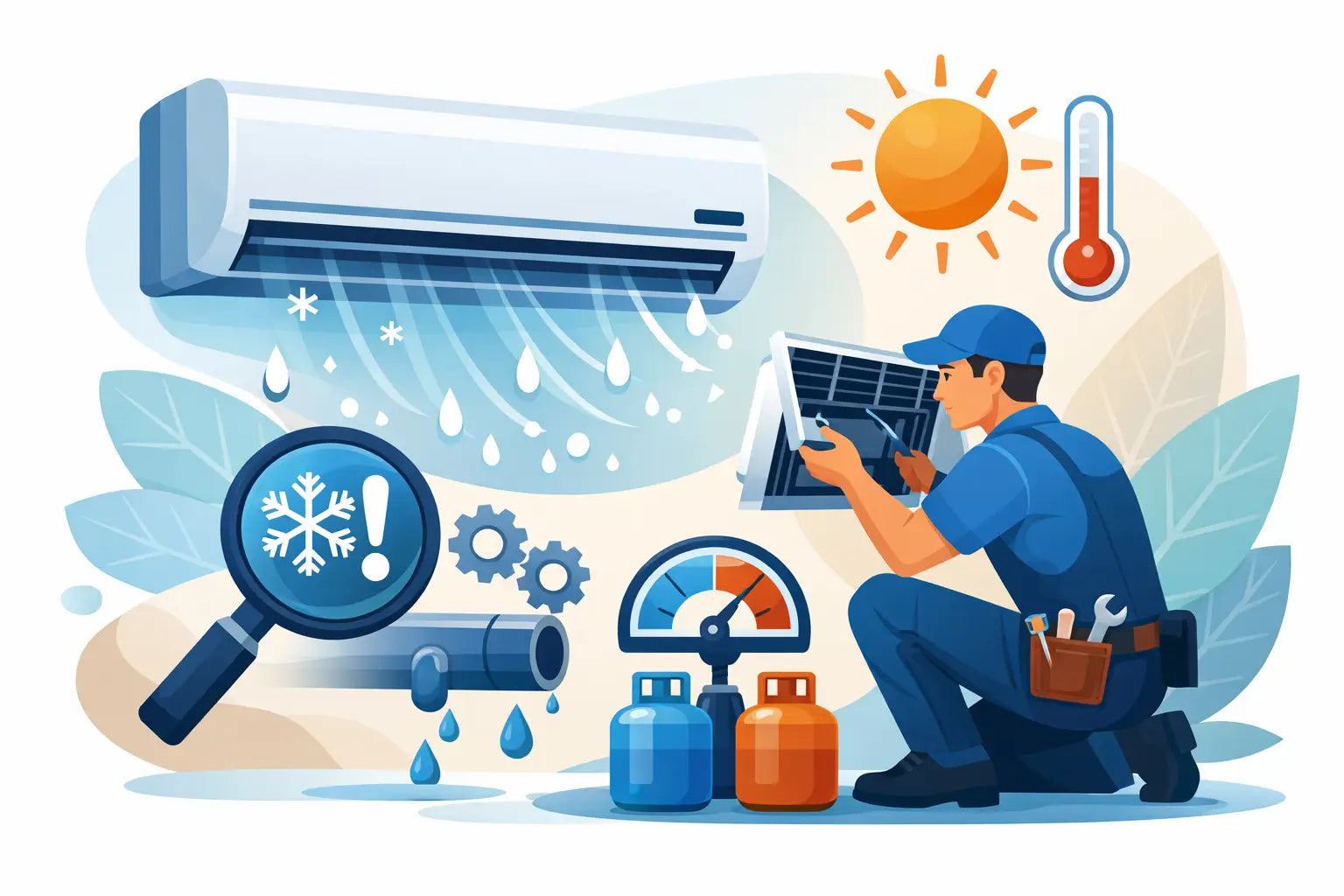
Ice buildup is another warning sign. When refrigerant pressure drops, the evaporator coil can become too cold and start freezing moisture from the air. You might see frost on the indoor coil, copper piping, or even around the outdoor unit connections. Some owners assume ice means the system is cooling very well. In reality, icing often signals the opposite - the system is under stress and not operating properly.
A hissing or bubbling sound can point to a leak too. Hissing may happen when refrigerant escapes through a small hole or crack under pressure. Bubbling can happen when there is a leak in a section carrying liquid refrigerant. Not every leak is loud, and not every noise means refrigerant loss, but unusual sounds around the indoor or outdoor unit deserve attention.
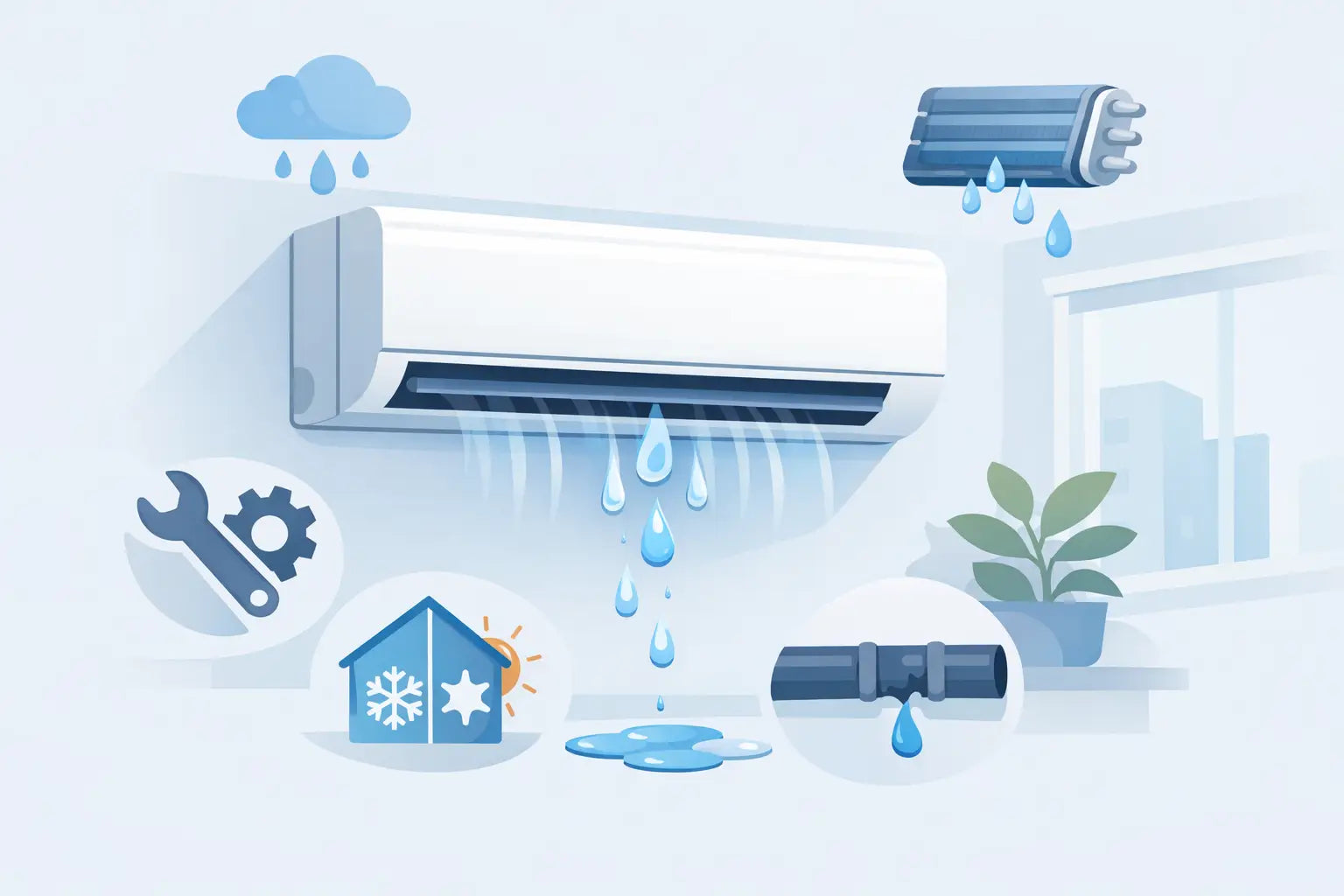
Water leakage indoors can sometimes appear alongside a gas leak. This does not happen because refrigerant turns into water. Instead, frozen coils can later thaw and cause excess dripping from the unit. That is why diagnosis matters. Water around the unit may be a drainage issue, but in some cases it starts with low refrigerant and coil icing.
Why these symptoms are often mistaken for other problems
Some aircon gas leak symptoms overlap with routine maintenance issues. A clogged filter, dirty coil, faulty thermostat, weak capacitor, or blocked drainage line can also affect cooling performance. That is why guessing rarely helps.
For example, weak airflow and weak cooling are not the same problem. If airflow is strong but the air is not cold enough, refrigerant loss becomes more likely. If airflow itself is poor, the problem may be a dirty filter, blower issue, or heavy coil buildup. Both situations feel uncomfortable, but they point in different directions.
This is also where workmanship becomes important. Improper flare connections, poor brazing, damaged insulation, and careless handling during installation can all raise the risk of leaks later on. A low-quality install may look neat on day one yet create avoidable service issues months or years down the line.
What causes an aircon gas leak?
Leaks can happen for several reasons, and the exact cause affects how the repair should be handled. Aging copper lines and coils can corrode over time, especially in environments with moisture, contaminants, or poor maintenance. Vibration at joints and fittings can gradually loosen weaker connections. Physical damage during renovation work, drilling, or servicing can also puncture piping.
In newer systems, poor installation is often the bigger concern. If piping connections are not tightened properly, if the copper quality is inconsistent, or if the system is not pressure tested thoroughly, small leaks may develop long before the equipment itself is old. This is why better materials and proper installation practices are not just selling points - they directly influence long-term reliability.
Commercial spaces add another layer of complexity. Offices, retail units, and food businesses often run air-conditioning for longer hours than residential homes. More operating time means more stress on the system. If there is already a weak joint or marginal installation issue, it may show up sooner in a high-use environment.
What to do if you notice aircon gas leak symptoms
Start by paying attention to the pattern. Is the unit cooling less effectively than before? Are there signs of ice, unusual sounds, or longer run times? Has your power bill increased without a clear reason? These clues help a technician narrow down the issue faster.
What you should not do is top up refrigerant without finding the leak source. This is one of the most common short-term fixes and one of the least effective long-term solutions. If gas is added but the leak remains, the same problem will return. In some cases, repeated topping up can delay proper repairs while the compressor continues to operate under unhealthy conditions.
A proper assessment usually involves checking operating pressures, inspecting joints and coils, looking for oil traces around leak points, and testing the system with the right tools. Depending on the location and severity of the leak, the repair may involve tightening connections, redoing flare joints, repairing or replacing copper piping, or replacing a damaged coil. After repair, the system should be vacuumed and recharged correctly according to manufacturer specifications.
If the unit is older, there is a trade-off to consider. A minor leak on a relatively new and otherwise sound system is often worth repairing. But if the coil is badly corroded, the compressor is already stressed, and breakdowns are becoming frequent, replacement may offer better value than repeated repairs. That decision depends on the age of the unit, the brand, the condition of the piping network, and how critical reliable cooling is for your home or business.
When to call a professional
If your air conditioner is blowing but not cooling, freezing up, making hissing sounds, or showing recurring performance drops after servicing, it is time for a proper inspection. Refrigerant handling is not a DIY job. The system needs accurate diagnosis, safe repair, and correct charging procedures.
For business operators, speed matters even more. Weak cooling in a retail shop affects customer comfort. In an office, it affects staff productivity. In an F&B setting, poor temperature control can become an operational issue very quickly. Getting the problem checked early usually costs less than waiting until the compressor fails.
This is also why many property owners prefer a specialist rather than treating aircon service as a generic commodity. A careful team looks beyond the symptom, checks installation quality, and repairs the root cause instead of applying a temporary fix. Companies such as Commercestar Engineering position their service around that standard - better workmanship, proper materials, transparent diagnosis, and support that protects long-term performance rather than just restoring cooling for the week.
How to reduce the risk of future leaks
No installation can guarantee that a leak will never happen, especially over many years of use, but the risk can be reduced significantly. Quality copper piping, proper insulation, correct flare work, pressure testing, and neat routing all matter. So does routine servicing that catches small issues before they become larger ones.
Regular maintenance will not prevent every leak, because corrosion and physical damage can still occur, but it improves the odds of early detection. It also helps separate refrigerant problems from airflow, drainage, and cleanliness issues that can look similar from the user side.
If your unit has been cooling inconsistently, do not wait for it to fail completely before acting. Air conditioners usually give warnings before a major breakdown. The value is in recognizing those warnings early and getting the system checked by someone who knows what to look for.