Aircon Installation Package Price Guide
A low quote can look great until the first water leak, messy trunking line, or cooling issue shows up a few months later. That is why aircon installation package price should never be judged by the number alone. What matters is what is actually included, how the system is installed, and whether the workmanship is built to last.
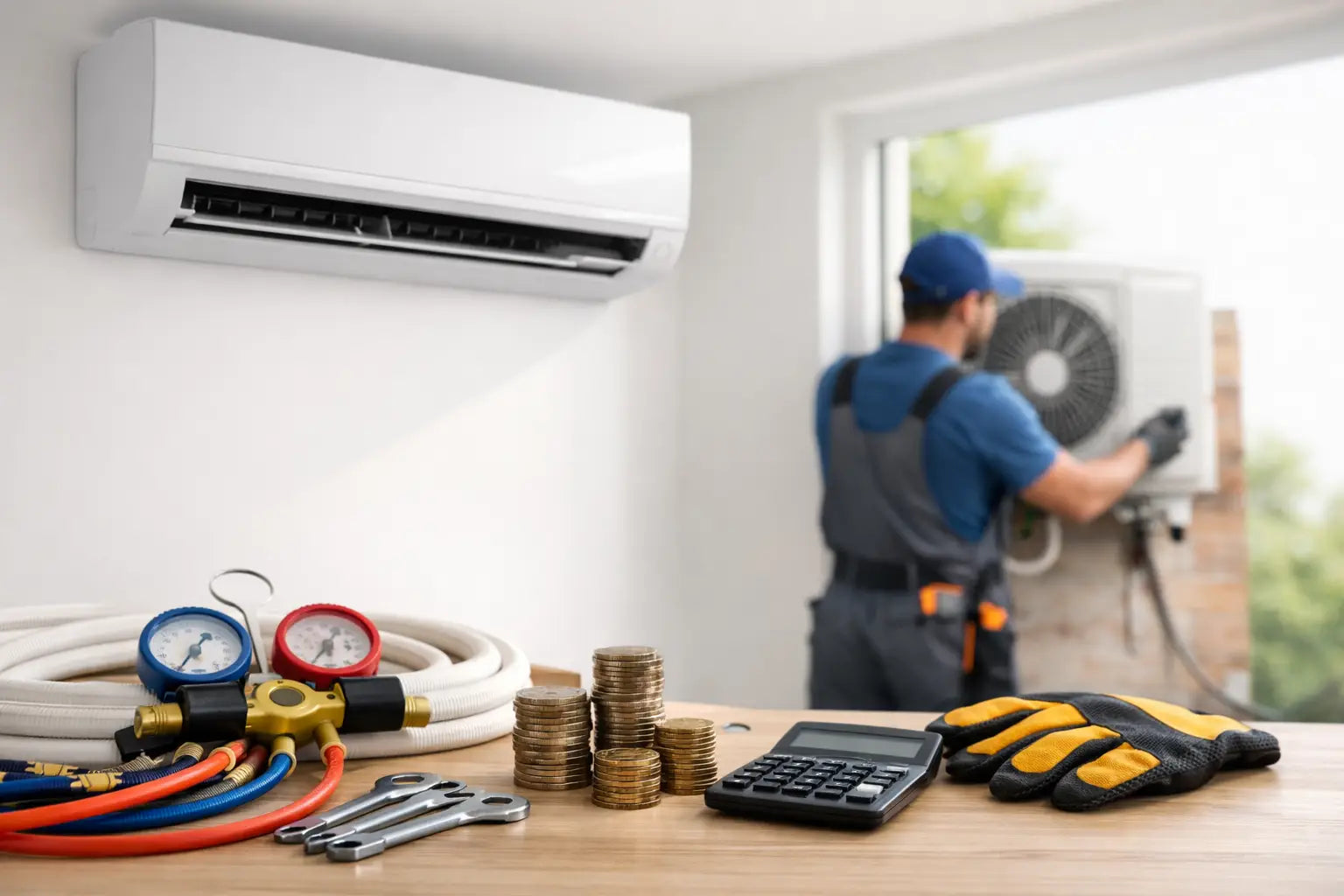
For homeowners and business operators, the real cost of an aircon system is not just the indoor and outdoor units. It also includes piping, insulation, wiring, drainage, wall drilling, testing, finishing, and the quality of the team doing the work. A package that seems cheaper upfront can become more expensive if poor materials or rushed installation lead to repairs, gas loss, or early replacement.
What an aircon installation package price really covers
A proper installation package usually combines equipment supply with labor and core installation materials. In most cases, that includes the air-conditioning units, copper piping, insulation, communication cable, drainage pipe, brackets or supports, and standard commissioning work to make sure the system runs correctly.
That sounds straightforward, but package details vary a lot between contractors. One company may quote a lower number because it uses thinner copper piping, lighter insulation, or excludes certain finishing works. Another may include upgraded materials, better routing, and more careful testing, which raises the package price but often reduces the risk of future issues.
This is where many buyers get caught out. Two packages may look similar on the surface because both list the same brand and system type, but the installation standard behind them can be very different.
Why aircon installation package price varies so much
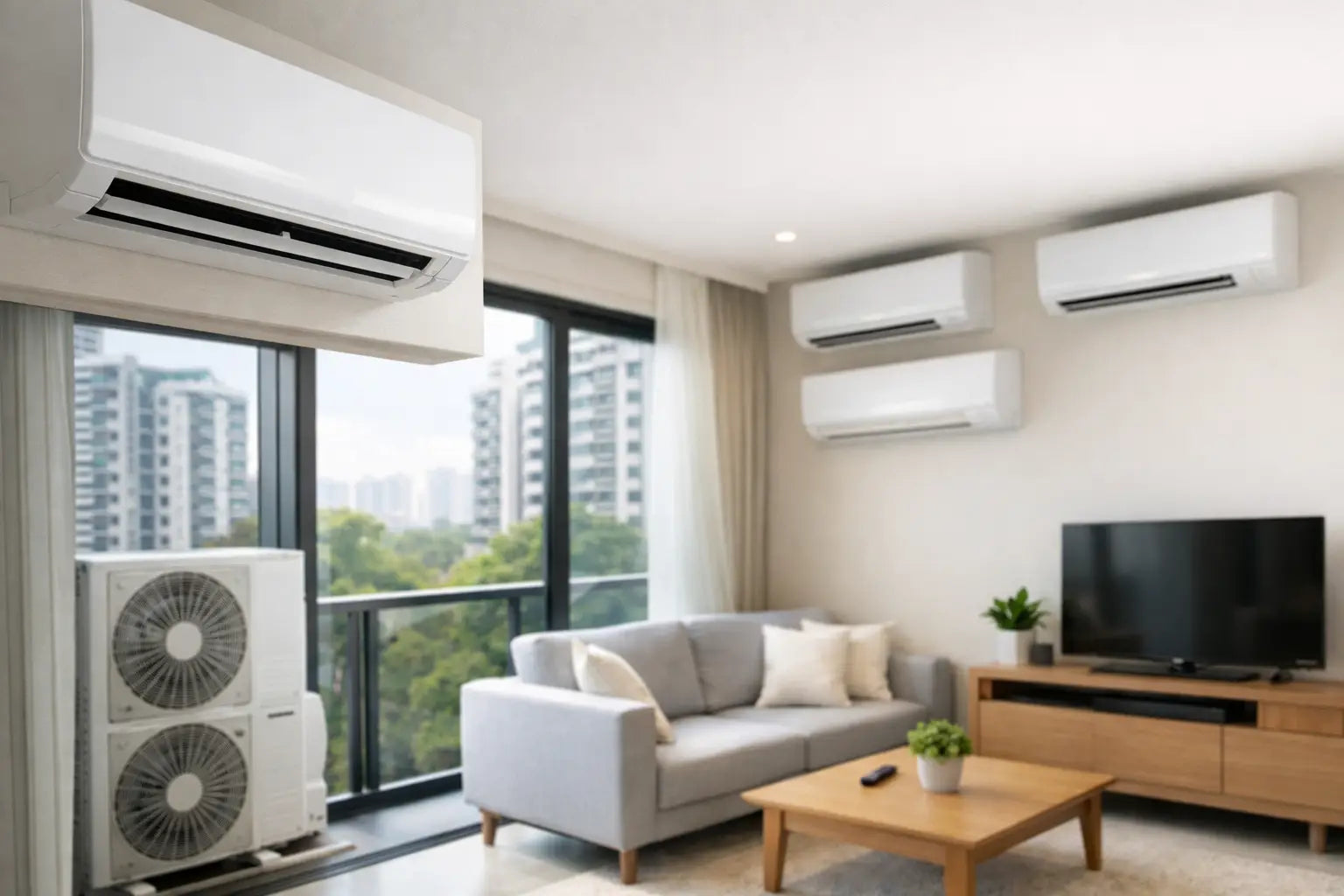
The biggest cost driver is the system itself. A single-split setup for one room will naturally cost less than a multi-split system serving several bedrooms and a living area. Brand also matters. Premium brands often come with stronger reliability, better energy performance, and higher equipment cost, while budget-friendly models may reduce upfront spending.
The second major factor is installation scope. A simple replacement job in a condo with easy access is different from a new installation in a house or commercial unit where routing is longer, drilling is more complex, or concealment work is required. Longer pipe runs, difficult access points, and special electrical needs all affect the final package price.
Materials are another key reason prices differ. Better insulation helps reduce condensation and energy loss. Thicker copper piping supports long-term durability. Better-grade cables and neat drainage work lower the chance of performance issues later on. These upgrades are not always flashy, but they matter far more than most buyers realize.
Labor structure also plays a part. A company with a trained in-house team often costs more than one relying on loosely managed subcontractors, but the difference usually shows up in consistency, communication, and accountability. If something needs adjustment after installation, knowing exactly who is responsible makes a big difference.
The hidden gap between cheap and good value
There is nothing wrong with wanting a competitive price. Most customers have a budget, and that is reasonable. The problem starts when a quote is so low that it can only work by cutting corners somewhere.
In aircon installation, corner-cutting usually appears in three areas: materials, workmanship, and after-sales support. Inferior insulation can lead to sweating and water stains. Weak copper piping can create reliability concerns over time. Poor drainage planning can cause leaks. A rushed installation may still cool the room on day one, but that does not mean it was done well.
Good value looks different. It means the package price reflects durable materials, careful installation methods, proper system testing, and support after handover. It may not be the lowest quote on the table, but it is often the one that saves more trouble and money over the life of the system.
How to compare an aircon installation package price properly
Start with the equipment specification, but do not stop there. Ask exactly what material grade is included for copper piping, insulation, and electrical cable. If one package uses upgraded insulation and thicker copper while another stays vague, that difference is meaningful.
Next, check what labor scope is covered. Does the package include standard piping length, drainage pipe, brackets, trunking, wall drilling, vacuuming, pressure testing, and commissioning? Are there exclusions for access equipment, extended pipe run, or decorative finishing? A detailed quote is usually a better sign than a short one.
Then consider who is doing the work. An organized installer with a proper service structure, clear scheduling, and dedicated after-sales support is usually a safer choice than a seller that disappears after payment. This matters even more for larger homes, offices, retail spaces, and food and beverage units where downtime can be disruptive.
Finally, look at review quality, not just star count. Consistent feedback on neat workmanship, honest pricing, and responsive support says more than generic praise. Strong customer proof often reflects stable operations rather than one-off promotions.
Aircon installation package price for homes vs businesses
Residential buyers often focus on comfort, space planning, and tidy finishing. In a home, the routing of pipes and trunking affects both appearance and maintenance access. HDB flats, new BTO units, resale apartments, and condos each come with different site conditions, so package price depends partly on layout and installation complexity.
Commercial buyers usually think beyond room cooling alone. They need dependable performance, predictable maintenance, and installation planning that does not disrupt operations. An office may prioritize even cooling across working areas. A retail shop may need careful unit placement for customer comfort. An F&B space may require more attention to heat load and operating hours. That means commercial package pricing often reflects a more tailored scope.
The principle stays the same in both cases. Price should match the actual demands of the site, not just the equipment model number.
What to ask before you accept a quote
A good installer should be comfortable answering practical questions. Ask what installation materials are used, whether the pipe thickness and insulation grade are specified, how drainage is routed, and whether the system will be pressure tested and vacuumed before commissioning.
You should also ask what happens after installation. Is there warranty support for both equipment and workmanship? If there is a leak, noise issue, or performance concern, who handles it and how quickly? Clear answers here usually indicate a company that takes responsibility for the full job.
If you are comparing several quotes, ask each contractor to explain why their package is priced the way it is. The better providers will usually be able to show where the value comes from instead of simply saying they are cheaper.
The role of premium materials in package pricing
Premium materials increase installation cost, but they also improve long-term reliability. This is one area where experienced buyers pay closer attention than first-time buyers, because they have seen what happens when basic materials fail early.
Higher-grade insulation helps control condensation, especially in humid conditions. Thicker copper piping supports durability and system stability. Better cables and cleaner finishing improve both safety and appearance. These are not luxury add-ons for the sake of marketing. They are practical choices that can reduce future service calls.
For that reason, a premium installation company will often position material quality as part of the package value. That approach makes sense. A good system deserves an installation standard that protects it.
Choosing a package that fits your budget without regret
The right aircon package is rarely the cheapest one or the most expensive one. It is the package that fits the cooling needs of your property, uses dependable materials, and comes from a team that can execute neatly and support the work after completion.
If you are comparing options in Singapore, companies like Commercestar Engineering stand out when they make installation quality visible instead of burying it inside vague package descriptions. That includes being clear about materials, workmanship standards, and service support, because these are the factors that shape real value.
A fair aircon installation package price should give you confidence before the job starts, not questions after the team leaves. When the quote is transparent and the workmanship is solid, you are not just buying air conditioning. You are buying fewer headaches, better performance, and a system you can rely on when you need it most.