Aircon Installer Checklist Singapore
A low aircon price can look great until the trunking starts sweating, the wall stains appear, or the system struggles to cool a bedroom evenly. That is why an aircon installer checklist Singapore homeowners and business owners can actually use matters more than another sales pitch. The installer you choose affects not just the first-day result, but how well the system performs over the next several years.
In Singapore, aircon installation is rarely just about mounting indoor units and switching them on. It involves system sizing, piping route planning, insulation quality, drainage, electrical work, finishing, testing, and after-sales support. If any of those pieces are handled poorly, the problems usually show up later, when fixing them is more inconvenient and more expensive.
Why an aircon installer checklist in Singapore matters
Many buyers compare only brand and price. That is understandable, especially when well-known names like Mitsubishi Starmex, Daikin, Panasonic, or Mitsubishi Heavy Industries are involved. But even a good brand can underperform if the installation standard is weak.
This is where a proper checklist helps. It shifts the conversation from "How much is the system?" to "What exactly am I getting for this price?" That includes the grade of copper piping, insulation specification, cable quality, drainage setup, workmanship standards, and whether the team doing the work is accountable after handover.
For HDB flats, condos, landed homes, offices, shops, and F&B spaces, the right installer is the one who plans carefully, communicates clearly, and uses materials suited for long-term reliability rather than short-term cost cutting.
The real aircon installer checklist Singapore buyers should use
1. Check whether the installer explains the system recommendation clearly
A reliable installer should be able to explain why a certain system is suitable for your layout and usage pattern. That means matching the BTU output to room size, sun exposure, occupancy, and operating habits.
If the recommendation is vague, or every home gets the same package regardless of layout, that is a warning sign. Oversized systems can cycle inefficiently. Undersized systems run harder, cool poorly, and wear faster. Good planning comes before installation day.
2. Ask what installation materials are included
This is one of the biggest areas where quotations can look similar while actual quality is very different. Copper pipe thickness, insulation type, wiring, and drainage components all affect durability.
A serious installer should state the material specifications, not just say "standard materials included." Better-grade insulation can help reduce condensation issues. Thicker copper piping offers more confidence for long-term performance. Quality cable matters too, especially in Singapore's climate and in installations where reliability is a priority.
If material details are missing from the quote, ask for them in writing.
3. Review the piping route and trunking plan before work starts
Neat installation is not just cosmetic. Piping layout affects drainage, access for servicing, and how well the finished result blends into the space.
A proper installer should walk you through where the trunking will run, where the outdoor condenser will sit, how the drainage line will be directed, and whether there are any limitations based on your property type. In HDB and condo units, this is especially important because space is tighter and routing options may be restricted.
If you want box-up works or cleaner concealment, that should be discussed upfront, not halfway through the job.
4. Confirm who is doing the installation
This point gets overlooked, but it matters. Some companies sell aggressively, then pass the installation to loosely coordinated subcontractors. The issue is not that subcontracting is always bad. The issue is accountability.
You want to know who is responsible if there is a drainage problem, gas leak, noisy piping, or finishing defect after the job is complete. A company with a structured in-house team or tightly managed installation process usually offers better consistency and clearer follow-up.
5. Ask how the installer handles drainage and condensation prevention
Singapore's humidity makes drainage work non-negotiable. A poorly sloped drain line or rushed piping setup can lead to water leakage, stained walls, and repeat service calls.
Ask how the installer ensures proper drainage fall, how they test for water flow, and what insulation standard they use to reduce sweating. Many installation complaints are not caused by the aircon brand at all. They come from bad drainage execution and weak insulation.
6. Make sure electrical work is addressed properly
Not every aircon replacement is plug-and-play. Depending on the system capacity, your existing electrical setup may or may not be suitable.
A careful installer should review the power supply arrangement, isolator needs, and whether any electrical upgrading is required. This is particularly relevant in older resale flats and commercial premises where previous setups may not match the new system's demands.
7. Look for testing, commissioning, and handover standards
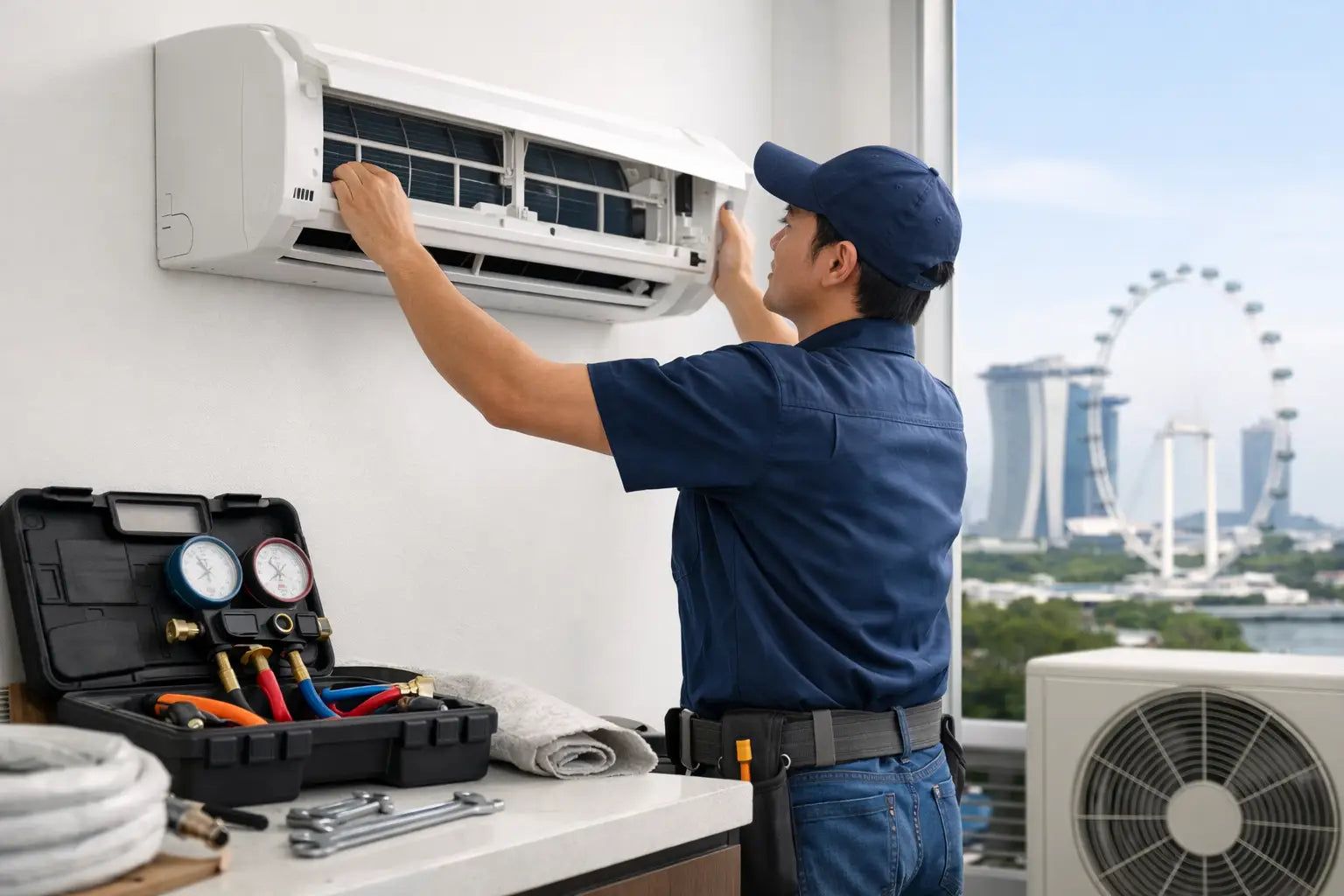
Installation is not finished when the units are mounted. The final checks matter just as much. A dependable installer should test cooling performance, drainage, remote function, and overall system operation before handover.
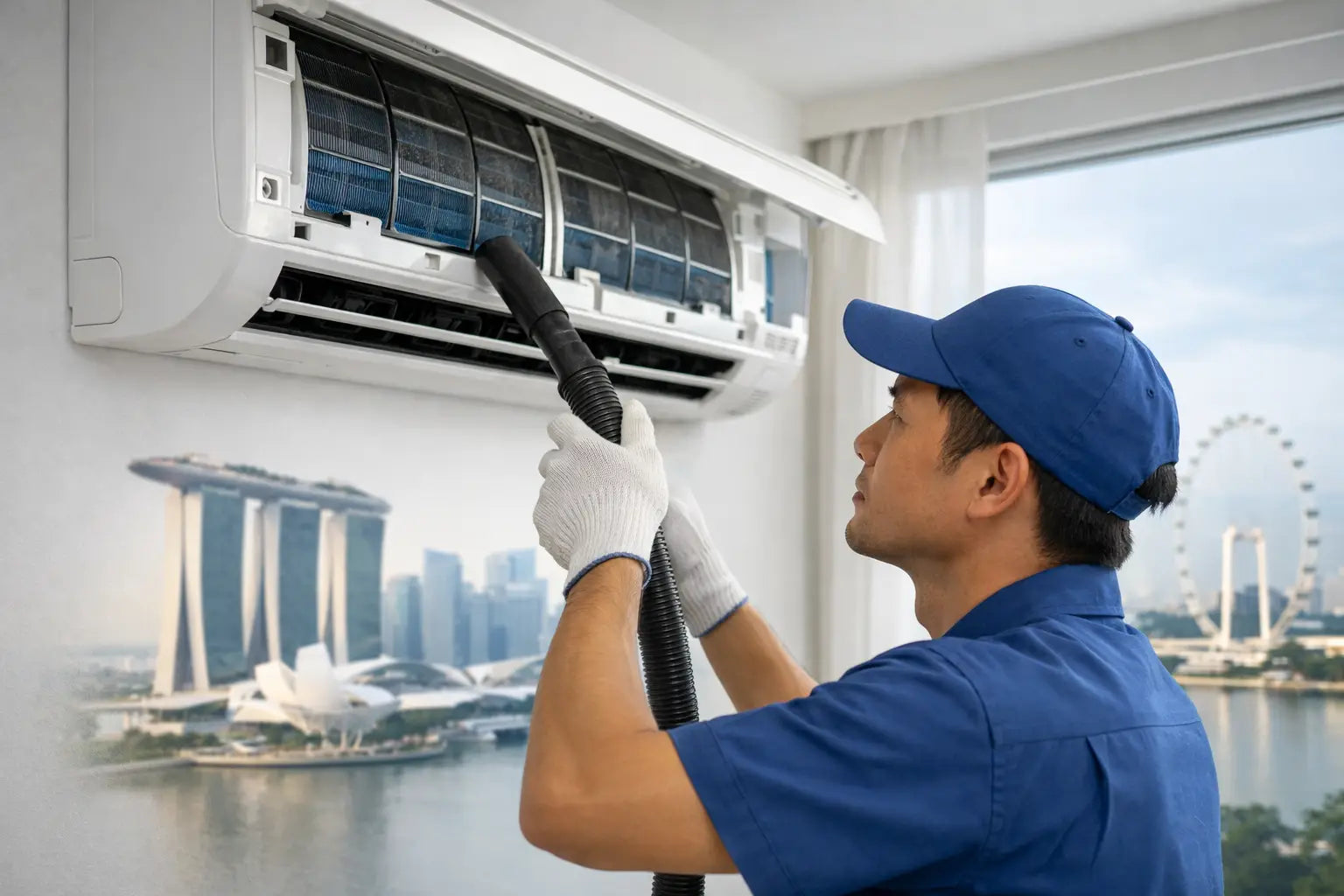
Vacuuming the system properly is another area worth asking about. It is not the flashiest part of the job, but it reflects whether the installer follows correct process instead of rushing through to finish faster.
8. Compare after-sales support, not just installation date
Fast installation is attractive, especially if your old aircon has already failed. But after-sales support is what protects your purchase after the first week.
Ask what happens if there is a problem after installation, how service issues are reported, and how responsive the company is. Review history helps here. A company with strong customer feedback and a visible service structure usually gives buyers more confidence than one that disappears after payment.
Price matters, but cheap quotes often leave out the important parts
Most customers have a budget. That is normal. The smarter approach is not to avoid lower prices automatically, but to understand what has been stripped out to reach them.
Sometimes the difference is minor. Sometimes it is the difference between upgraded insulation and a basic grade, thicker copper and thinner piping, or a properly managed team and a rushed install crew. These details do not always show up on day one, but they tend to show up later.
Long-term value comes from stable performance, fewer call-backs, cleaner finishing, and better support when you need servicing or repairs. That is why premium installation is not just about appearance. It is about reducing avoidable problems.
What homeowners should pay extra attention to
For residential buyers, especially BTO owners and resale flat buyers, the biggest concerns are usually neatness, leakage prevention, noise control, and overall peace of mind. You are living with the result every day, so a clean piping route and tidy finishing matter.
It also helps to ask whether the installer has experience with your property type. HDB, condo, and landed homes all come with different practical constraints. An installer who understands those differences is less likely to improvise badly on site.
If you plan to stay in the home for years, this is one area where better materials and stronger workmanship usually pay off.
What business owners and facility teams should look for
Commercial buyers need a slightly different lens. Beyond workmanship, you need planning, scheduling, and reliability. Downtime costs money. Poor cooling affects staff, customers, stock, and operations.
For offices, retail units, and F&B spaces, ask whether the installer can work around operating hours, coordinate access properly, and recommend a setup that fits actual usage rather than a generic sales package. Ongoing maintenance support also matters more in commercial environments because the system often runs longer hours and under heavier load.
This is where an experienced specialist can make the process easier. Companies such as Commercestar Engineering position installation quality as a long-term value decision, not just a unit sale, and that difference is worth noticing when you compare proposals.
A quick red-flag check before you commit
If a quote is unusually cheap, material specs are unclear, the installer avoids technical questions, or the piping plan is only discussed on installation day, pause before paying a deposit. The same applies if there is no clear support process after handover.
A trustworthy installer does not need to hide behind vague wording. They should be comfortable explaining what is included, why their installation method matters, and how they stand behind the work.
Choosing an aircon installer is really choosing the standard of the entire system, so take a little more time upfront and make the decision you will still be comfortable with long after the first cold blast of air.