Mitsubishi Starmex System 4 Review
A four-room setup sounds straightforward until you start comparing air-conditioners and realize the real question is not just brand - it is whether the system will stay quiet, cool evenly, and hold up well after installation. That is where a proper Mitsubishi Starmex System 4 review matters, especially for homeowners who want reliable performance rather than a unit that only looks good on paper.
For many apartments, HDB homes, and condos, Mitsubishi Starmex System 4 is one of the first names that comes up for good reason. It has built a strong reputation for quiet operation, dependable cooling, and energy-efficient performance. But reputation alone should not make the decision. The better question is whether it fits your layout, usage habits, and expectations for long-term ownership.
Mitsubishi Starmex System 4 review: who it suits best
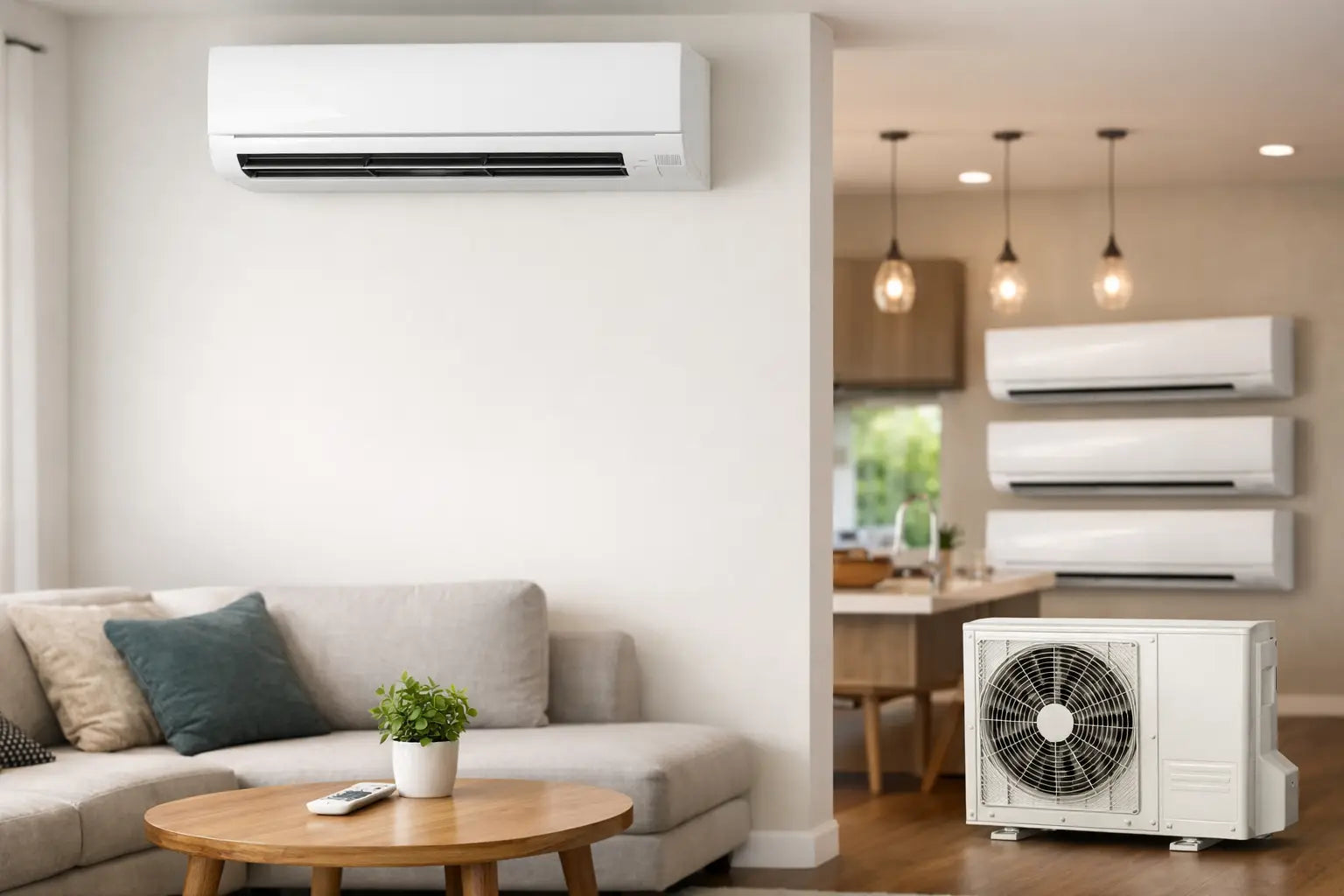
A System 4 setup is typically chosen for homes that need four indoor fan coil units connected to one outdoor condenser. That makes it popular for three-bedroom apartments, compact four-bedroom homes, and households that want air-conditioning in the living area plus multiple bedrooms.
Mitsubishi Starmex tends to suit buyers who prioritize consistency over gimmicks. If you want fast cooling, low indoor noise, and a system that is commonly supported by installers and service teams, it is a sensible option. It is less about flashy features and more about dependable day-to-day use.
That said, suitability depends on how you actually use air-conditioning. If all four rooms run heavily at the same time every night, condenser sizing and load planning matter more than brochure claims. If only bedrooms are used overnight and the living room runs occasionally, a System 4 can feel more than adequate.
Cooling performance in real home use
The strongest point of Mitsubishi Starmex is usually its cooling stability. Rooms cool down quickly, and once the target temperature is reached, the system generally maintains it without dramatic swings. In practical terms, that means less of the too-cold, then not-cold-enough cycle that some owners notice in weaker systems.
For bedrooms, this is where the brand performs well. Sleep comfort often comes down to steady temperature and low operating noise, not just raw cooling power. Starmex indoor units are known for delivering that quiet, controlled feel that works well for nightly use.
In living rooms, performance depends more on room size, sun exposure, and whether the selected BTU capacity matches the space. A west-facing living room with strong afternoon heat load is very different from a shaded room with lighter usage. The system can perform very well, but only when the unit sizing is chosen properly.
That is one reason a product review should never ignore installation planning. Even a strong system can disappoint if the wrong fan coil capacity is assigned to the wrong room.
Noise levels are a real advantage
If you are sensitive to noise, this is one of the better reasons to shortlist Starmex. The indoor units are generally quiet enough for bedrooms, study rooms, and nurseries. That matters more than many buyers expect. A system can have decent cooling specs and still become annoying if the fan noise is constant or if airflow sounds harsh at night.
Mitsubishi Starmex usually performs well here. Low fan settings are unobtrusive, and the overall sound profile tends to feel refined rather than mechanical. The outdoor condenser noise is also typically acceptable for residential settings, although placement still matters. If the condenser is installed in a tight service yard or near a frequently used window, perceived noise can be higher.
Energy efficiency and running cost
One reason this system remains popular is efficiency. For households that use air-conditioning almost daily, energy savings are not a small detail. They add up month after month.
Starmex systems are generally seen as efficient when matched correctly to the home. Inverter operation helps reduce unnecessary power draw once rooms reach the target temperature. For families using bedroom units overnight, that can make a noticeable difference compared with older non-inverter setups.
Still, efficiency is not automatic. If homeowners set very low temperatures, leave doors open, or oversize and undersize rooms incorrectly, real-world performance changes. The system can only do so much if the usage pattern works against it.
Reliability and long-term ownership
A fair Mitsubishi Starmex System 4 review has to include long-term expectations. In Singapore and other hot climates, Starmex has earned a reputation as a reliable residential choice. Spare parts availability, service familiarity, and broad installer experience all help.
This does not mean it is maintenance-free. No air-conditioner is. Filters still need regular cleaning, servicing intervals still matter, and drainage issues can still happen if upkeep is neglected. But from an ownership perspective, Starmex is generally considered a safe choice for buyers who want predictable support and fewer unpleasant surprises.
That said, long-term reliability depends heavily on workmanship. Poor flaring, weak insulation, incorrect vacuuming, or badly routed drainage can create problems that people wrongly blame on the brand. In many cases, the issue is not the air-conditioner itself. It is the installation standard behind it.
Installation quality matters as much as the unit
This is the part many online reviews miss. A premium system installed with poor materials is no longer a premium purchase.
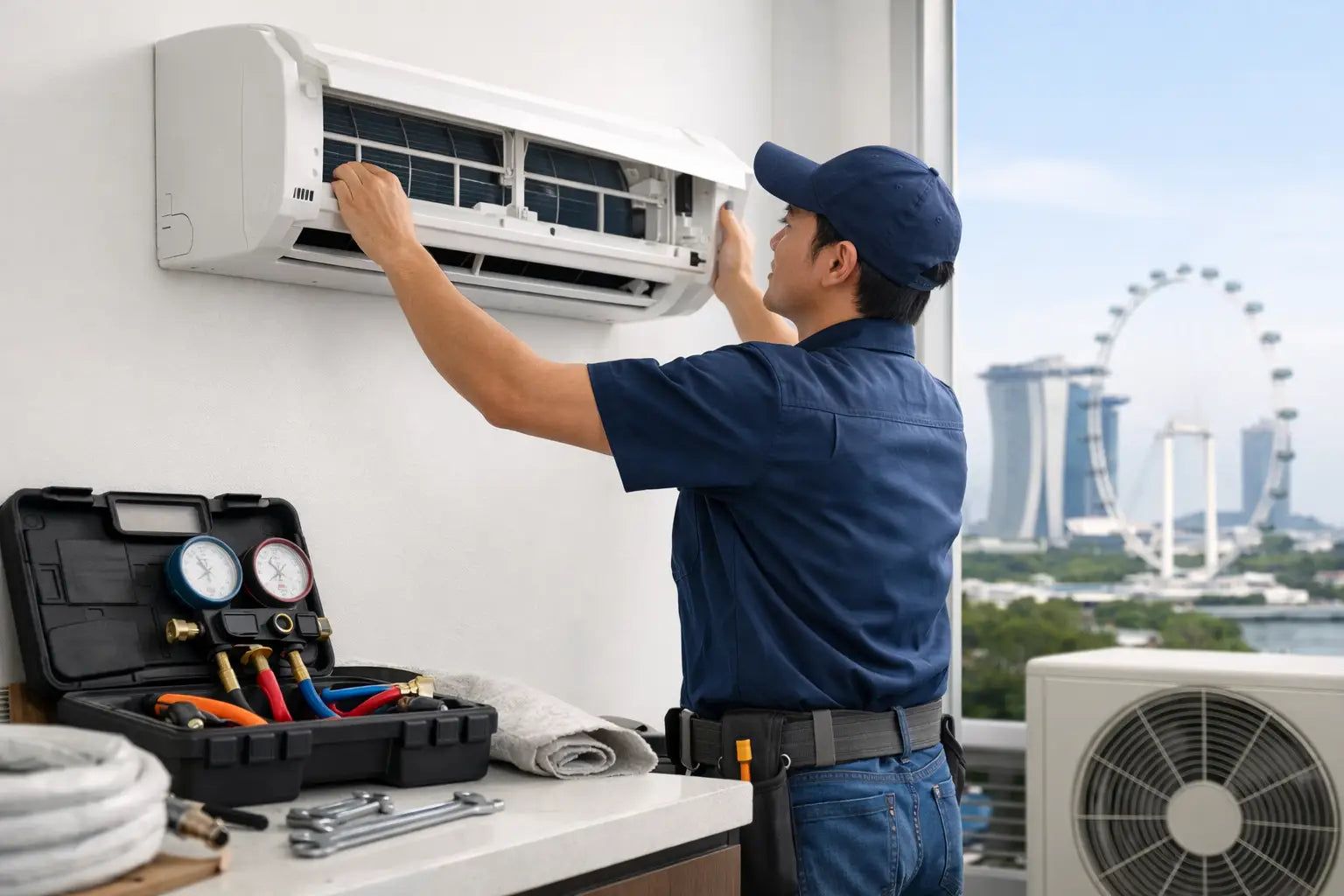
For a System 4 setup, the installation involves copper piping, insulation, electrical cabling, drainage, trunking or concealment work, and pressure testing. If any of these are rushed, long-term issues may follow - water leaks, inefficient cooling, condensation, gas loss, or premature compressor strain.
That is why serious buyers should pay attention to the installation package, not just the model number. Thicker copper pipes, proper Class 0 insulation, good cable quality, neat routing, and a disciplined installation team make a real difference over time. A lower quote may look attractive upfront, but hidden compromises often show up later.
For homeowners comparing offers, this is where working with a specialist matters. Companies like Commercestar Engineering position installation quality as part of the product itself, which is the right way to look at it. The system and the workmanship should be evaluated together.
Where the trade-offs are
No review is useful if it only praises. Mitsubishi Starmex is strong, but it is not automatically the best answer for every property.
The first trade-off is price. It is often not the cheapest option in the market, especially when paired with a proper installation package. Buyers on a tight budget may find lower-cost brands appealing. The question is whether the short-term savings are worth the difference in noise, efficiency, service familiarity, or longevity.
The second trade-off is that a System 4 setup should be chosen carefully for actual usage. If a household expects heavy simultaneous use across all rooms for long periods, it is worth checking whether the specific condenser combination aligns with that pattern. In some homes, a different configuration may make more sense.
The third is that expectations should stay realistic. Starmex is a dependable residential air-conditioning system, not a magic fix for poor ventilation, oversized spaces, or badly insulated rooms. If a room gets intense solar heat all afternoon, system design and room conditions still matter.
Is Mitsubishi Starmex System 4 good for HDB and condo homes?
In most cases, yes. This is one of the reasons it remains so commonly recommended. It suits the room sizes, usage patterns, and practical layout needs found in many HDB and condo units. Bedrooms benefit from the quiet operation, and living areas usually cool well when sized correctly.
It is especially suitable for households that want a balance of comfort, efficiency, and resale-friendly brand familiarity. If you ever need servicing, maintenance, or parts support, you are dealing with a widely recognized platform rather than something obscure.
For larger landed homes or unusually demanding layouts, the answer may be less straightforward. A more customized system plan might be needed, especially where zoning, longer pipe runs, or larger shared spaces are involved.
Final verdict
If your priority is dependable residential cooling with low noise, strong everyday performance, and a track record that most installers and homeowners already understand, Mitsubishi Starmex System 4 remains a solid buy. It is not the cheapest route, and it should not be chosen casually without checking room sizing and installation details. But when matched to the right home and installed properly, it delivers the kind of ownership experience most people actually want - quiet nights, steady cooling, manageable running cost, and fewer headaches after the handover.
The smartest way to judge it is not by brand reputation alone, but by the full package you are getting on installation day and the support you can count on after that.