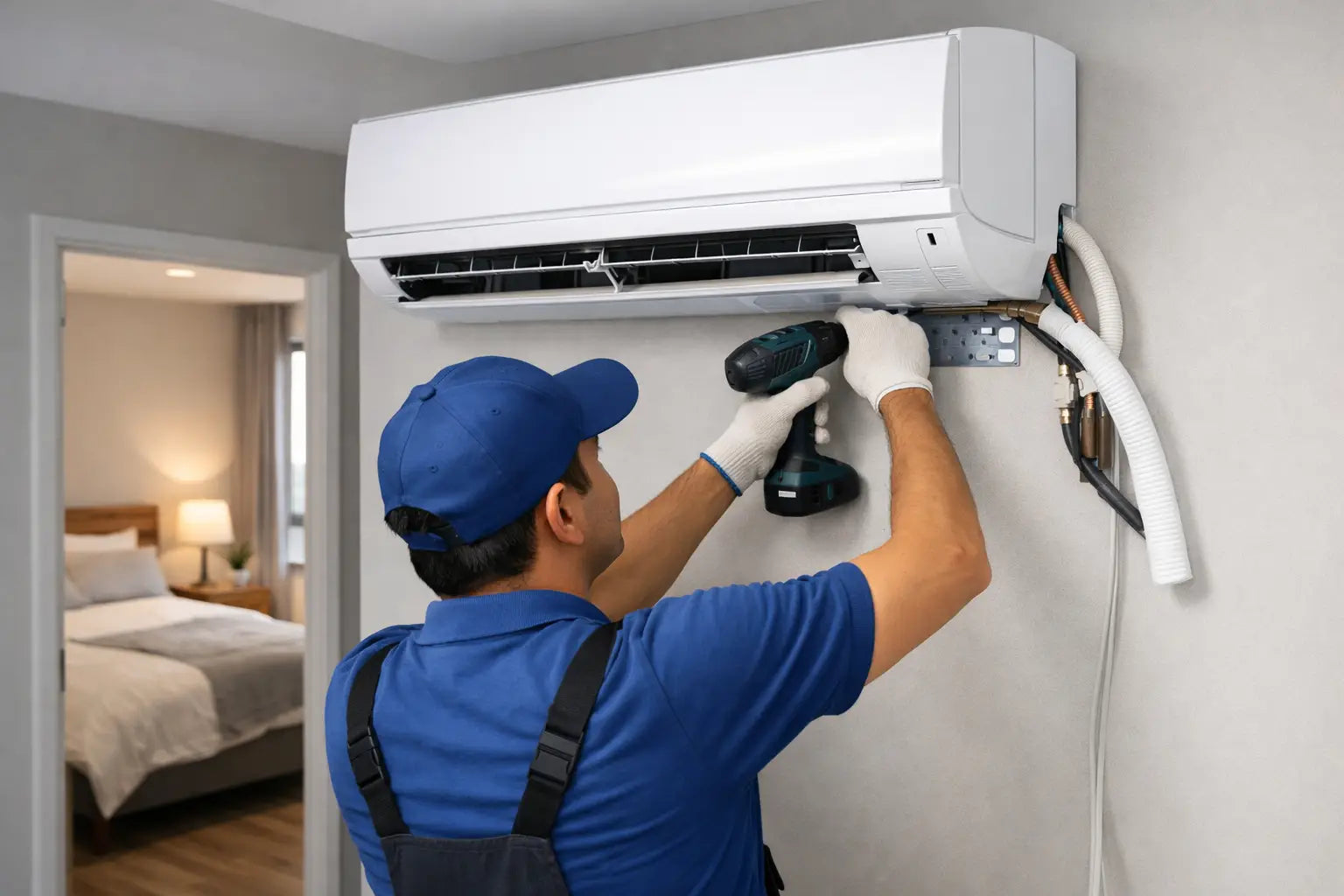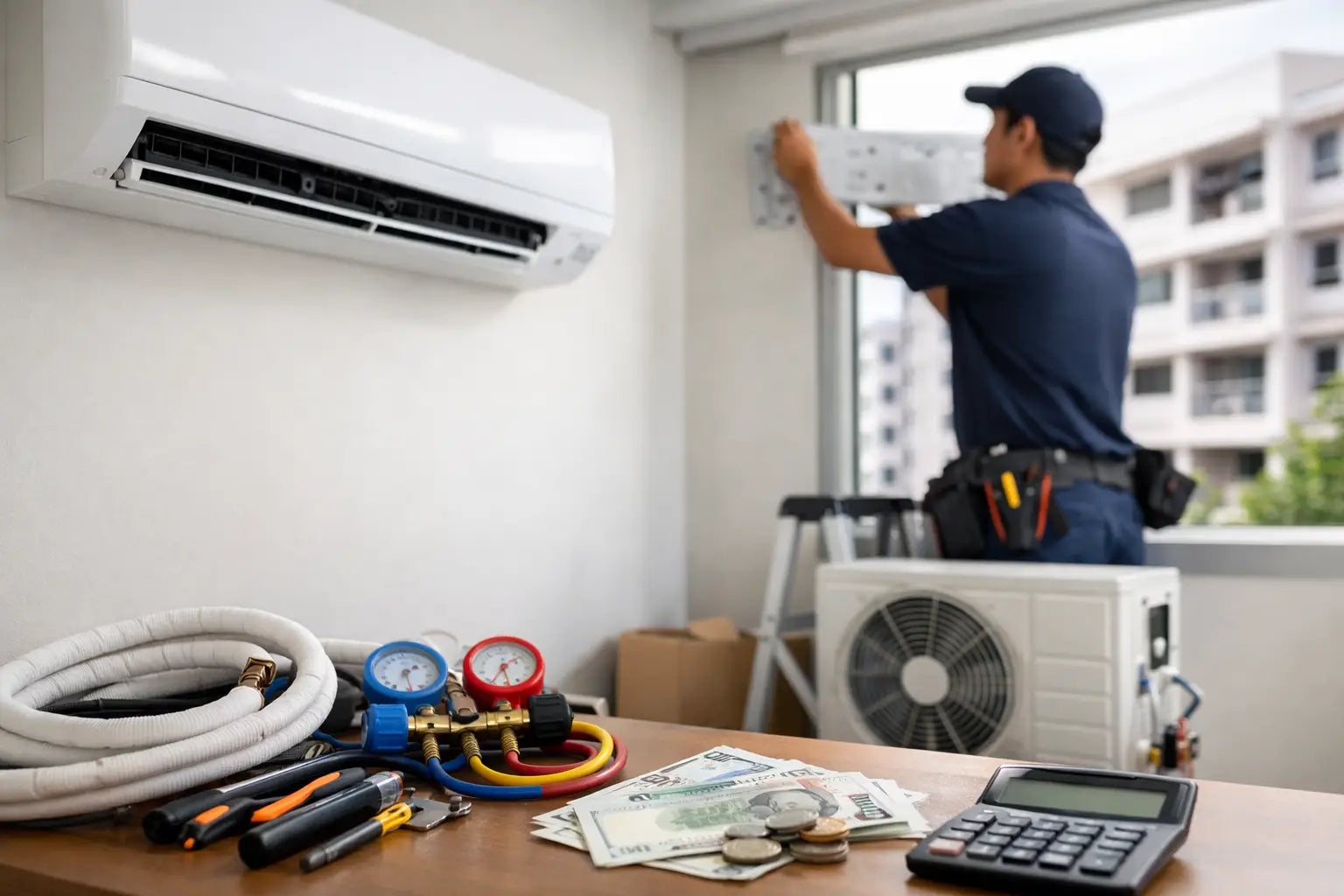
10 Aircon Installer Red Flags to Spot Early
A new air-conditioning system can look perfect on installation day, then reveal the real quality months later through water leaks, weak cooling, exposed trunking, or a contractor who no longer answers the phone. That is why knowing the most common aircon installer red flags before you sign a quotation can protect both your comfort and your budget.
The lowest advertised package is not always a bad deal, and a higher quotation is not automatically proof of better workmanship. What matters is whether the installer can explain what is included, use suitable materials, plan the work properly, and stand behind the finished system. For homeowners, landlords, and business operators, these are the warning signs worth taking seriously.
Aircon Installer Red Flags That Should Stop You
1. The quote is cheap but vague
A quotation that only says "System 3 installation package" gives you very little to assess. You should be able to see the air-conditioning model, pipe length allowance, insulation type, cable specification, drainage work, mounting hardware, and any charges that may apply for extra work.
Vague quotes create room for surprise charges after the job has started. Extra piping, electrical points, wall drilling, condensate pumps, and trunking are sometimes genuinely necessary, especially in older homes or commercial spaces. The red flag is not the existence of potential extras. It is an installer who cannot identify them in advance or refuses to state how they will be priced.
2. They cannot tell you what materials they use
An air-conditioning system is more than the indoor and outdoor units. The concealed or boxed-up materials behind the walls and ceilings determine whether the system stays efficient and leak-free over time.
Ask direct questions about copper pipe thickness, insulation grade, drain piping, electrical cables, and outdoor-unit brackets. A professional installer should answer clearly, not brush the question aside with "standard material." For example, quality insulation helps reduce condensation and energy loss, while appropriately specified copper piping improves long-term durability. Material specifications should match the job, not be treated as an afterthought.
3. The installer promises an immediate site price without inspecting the space
A straightforward replacement may be priced remotely if the existing setup is well documented. But a new installation, a BTO project, a resale renovation, or a commercial unit often needs a proper site assessment. Pipe routes, drainage falls, electrical capacity, outdoor-unit access, ceiling space, and management requirements can all affect the final scope.
Be cautious when someone promises a fixed all-in price without requesting photos, floor plans, or a site visit where one is clearly needed. A rushed assessment can lead to poor pipe routing, unsightly trunking, insufficient drainage, or costly changes midway through installation.
4. There is no clear plan for drainage
Water leaks are among the most frustrating aircon problems because the source may be hidden above a false ceiling or inside a box-up. Good drainage design requires more than connecting a pipe and hoping gravity does the rest. The drain line needs an appropriate route and slope, secure joints, and access for maintenance where practical.
If the installer does not discuss where condensate water will discharge, how the drain line will run, or whether a pump is required, pause before proceeding. In offices, retail units, and F&B spaces, drainage mistakes can disrupt operations and damage finishes, stock, or equipment.
5. The team seems loosely coordinated
Some contractors use subcontractors, which is not automatically a problem. The question is who manages the work, checks the workmanship, and remains responsible if something goes wrong. A project with different parties handling sales, installation, electrical work, and follow-up can become difficult when responsibility is unclear.
Warning signs include installers who do not know what was promised in the quote, different answers from different people, or no named contact for after-sales support. A managed in-house team or a tightly supervised installation process provides clearer accountability from planning through handover.
6. They push a brand before understanding your needs
A trusted aircon brand matters, but the right system depends on the property and how it is used. A compact bedroom, a sunny living area, a multi-room condo, and a busy restaurant have very different cooling loads and operating patterns.
An installer who recommends a system size without asking about room dimensions, occupancy, sunlight exposure, ceiling height, or operating hours may be focused on moving stock rather than designing a suitable solution. Oversizing can increase upfront cost and cause short cycling in certain conditions. Undersizing can leave the space uncomfortable and force the system to work harder than it should.
7. They avoid discussing testing and commissioning
Installation is not complete when the units turn on. Proper commissioning should include checks for refrigerant leaks, drainage performance, electrical connections, cooling operation, and overall system response. The installers should also verify that indoor units are level, outdoor units are securely mounted, and piping is properly insulated and protected.
Ask what testing will be performed before handover. If the answer is simply "we will switch it on," that is not enough. A thorough test helps catch problems while the team and equipment are still on site, rather than after furniture has been moved back or a business has reopened.
8. Their workmanship photos do not show the details
Before-and-after photos can be helpful, but polished pictures of an indoor unit on a wall are not proof of installation quality. Look for evidence of tidy pipe routes, aligned trunking, neat wall penetrations, securely supported outdoor units, and clean finishing around box-up work.
It also helps to look beyond a small set of promotional images. Consistent customer feedback about punctuality, cleanliness, communication, and post-installation support is more meaningful than a single impressive project photo. Reviews should reflect the installer’s ability to resolve issues, not only complete easy jobs.
9. The payment terms create unnecessary pressure
A reasonable deposit is common because equipment and materials must be reserved. However, be wary of requests for full payment before the work begins, cash-only arrangements with no documentation, or pressure to decide immediately because a supposed promotion ends in a few hours.
A reputable company should provide a written record of the agreed scope, payment schedule, warranty terms, and contact details. Promotions can be legitimate, but your decision should still be based on a clear comparison of system specifications, installation materials, and service support.
10. There is no realistic after-sales process
Even excellent installations occasionally need an adjustment, particularly after a major renovation or when a hidden site condition emerges. The real test is whether the company has a defined way to handle service requests.
Ask who to contact if you notice a leak, drainage issue, unusual noise, or cooling problem after installation. Find out what workmanship coverage applies and whether routine servicing is available. A contractor who is responsive before payment but vague about support afterward is taking a short-term view of a long-term system.
How to Compare Installers Fairly
When comparing two or three proposals, place the quotations side by side and compare more than the headline price. Check the exact equipment model, material specifications, piping allowance, electrical and drainage scope, finishing work, installation timeline, warranty coverage, and expected handover tests.
There are cases where paying more is justified. A complicated pipe route, premium insulation, thicker copper piping, difficult outdoor-unit access, or extensive box-up work may add cost but reduce future risks. On the other hand, a premium quote should still be transparent. Higher pricing without clear technical reasons is no better than a low price with hidden exclusions.
For commercial properties, ask about scheduling, tenant or building management requirements, work-area protection, and contingency planning. Downtime has a real cost, so the installer’s project coordination can matter as much as the selected air-conditioning brand.
Questions Worth Asking Before You Confirm
Ask for the full material specification, a breakdown of exclusions and possible variations, the proposed piping and drainage route, and the testing process at handover. You should also ask who performs the installation, how service requests are handled, and what documentation you will receive once the work is complete.
A capable installer will welcome these questions because they show you are evaluating workmanship, not just shopping for the lowest number. Companies such as Commercestar Engineering build their installation approach around this level of clarity, using specified premium materials and managed teams so customers know what is being installed behind the finished walls.
The best time to identify a poor installer is before the first hole is drilled. Take an extra day to compare the details, insist on clear answers, and choose the team that treats your property like a project they will still be proud to support after the installation is finished.