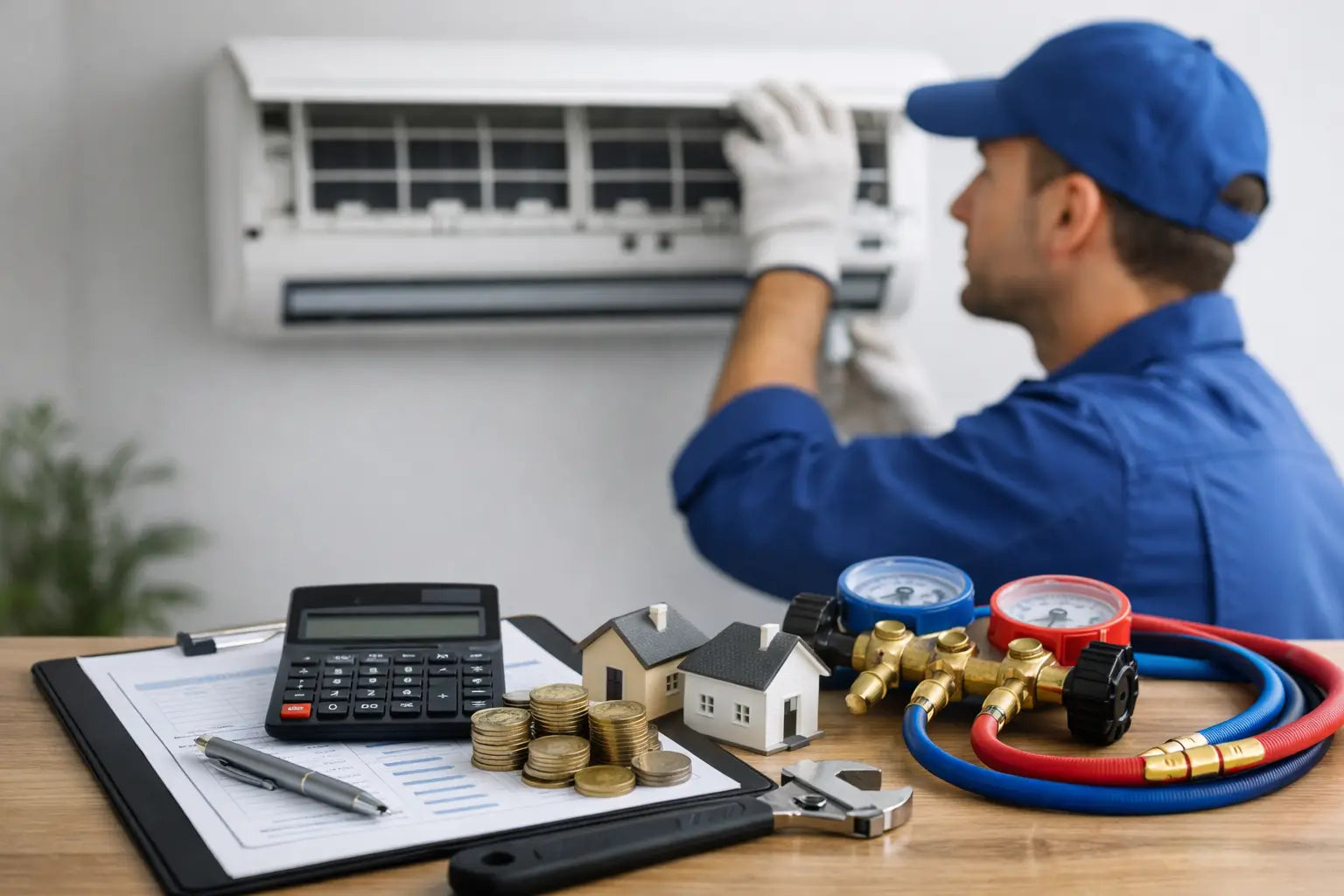
Aircon Servicing Cost Breakdown Explained
Cheap aircon servicing often looks fine until the unit starts leaking again a few weeks later, cooling turns weak, or the technician says the quoted price did not include the work your system actually needed. That is why an aircon servicing cost breakdown matters. If you know what you are paying for, it becomes much easier to compare providers properly and avoid the low-price, high-problem cycle.
For homeowners and business operators, the real question is not just how much servicing costs. It is what is included, what is excluded, and whether the work helps your system last longer. A $30 basic wash and a more thorough chemical clean are not interchangeable services. They solve different problems, require different labor, and carry very different value over time.
Aircon servicing cost breakdown by service type
Aircon servicing is usually priced based on the kind of work required, the number of indoor units, and the condition of the system. In most cases, routine servicing is the most affordable option. This usually covers cleaning the front panel and filters, checking operating condition, clearing minor dirt buildup on the coil surface, and testing basic cooling performance.
For a single residential wall-mounted unit, routine servicing is commonly the entry-level price point. As more units are serviced during the same visit, the per-unit rate often drops. That is why many homeowners with system 3 or system 4 setups choose package pricing rather than one-off servicing.
When the unit has heavier dirt buildup, water leakage, bad odors, or weak airflow, a standard service may not be enough. That is where chemical cleaning or a deeper overhaul comes in. Chemical cleaning usually involves dismantling key components, washing the evaporator coil and blower more thoroughly, and removing stubborn grime that basic servicing cannot reach. An overhaul goes further, with more complete dismantling and intensive cleaning for badly neglected systems.
The price difference reflects labor time, cleaning materials, technical handling, and risk. A technician can complete a basic service relatively quickly. A chemical wash or overhaul takes more time and much more care, especially if the unit is older or brittle.
What is usually included in the price
A clear quote should tell you exactly what the technician is doing. For regular servicing, this often includes filter cleaning, checking the evaporator coil condition, vacuuming or flushing the drainage line where needed, inspecting the fan coil unit, and confirming that the system is cooling within a normal range.
Some companies also include a quick check of the outdoor condenser and electrical connections. Others treat those as separate line items or only inspect them visually. That difference matters, especially for customers comparing two prices that appear similar at first glance.
For chemical cleaning, the scope should be even more specific. A proper job may include dismantling the unit cover, tray, and blower wheel, applying chemical solution to internal components, clearing sludge in the drain system, and testing operation after reassembly. If the quote simply says chemical wash without explaining the work, ask for details. The term gets used loosely in the market.
This is where transparent providers stand out. A detailed service scope gives you confidence that pricing is based on real workmanship, not vague descriptions.
What makes aircon servicing costs go up
The biggest pricing factor is the condition of the unit. A lightly used bedroom unit that gets serviced every few months usually needs straightforward maintenance. A unit that has not been cleaned for over a year, especially in a kitchen-adjacent space or busy commercial setting, can take much more effort.
The type of air-conditioning system also matters. Wall-mounted split units are usually simpler and faster to service than ceiling cassette, ducted, or larger commercial systems. Access is another factor. If technicians need ladders, ceiling access panels, or extra manpower to reach the unit safely, labor cost rises.
There is also a difference between one-time servicing and contract maintenance. One-off jobs often cost more per visit because there is no recurring schedule. Maintenance plans can bring the cost down over time while helping prevent major issues from building up.
Location and urgency also play a part. After-hours requests, emergency calls, and peak season bookings may come at a premium. For commercial users, downtime has a cost too, so faster response can be worth paying for.
Aircon servicing cost breakdown for homes vs businesses
Residential customers usually pay based on the number of indoor units and the service level needed. The pricing structure is fairly predictable unless there are repair issues such as failed capacitors, gas leaks, drain pump faults, or damaged insulation.
Commercial servicing is less standardized because system types vary more. An office with several split units may be priced similarly to a larger residential job, but a retail store, restaurant, or industrial site may require a custom quote. Usage hours are longer, heat load is higher, and system wear tends to be more severe.
For business owners, the lowest servicing quote is rarely the cheapest option in practice. If poor servicing leads to repeat breakdowns, customer discomfort, or interrupted operations, the hidden cost is much higher than the invoice. Good servicing supports uptime, especially for customer-facing spaces where comfort affects business directly.
Why the cheapest quote can cost more later
Low pricing often means one of three things. The service scope is minimal, the job is rushed, or add-on charges appear later. None of those help the customer.
A rushed basic cleaning can leave dirt in the blower wheel and drainage system. The unit may feel cooler immediately after service, but the underlying issue remains. You then pay again for another visit or for more intensive cleaning that could have been identified earlier.
There is also the workmanship factor. Poor dismantling and reassembly can lead to vibration noise, water leakage, broken clips, or damaged casing. In air-conditioning work, technique matters. Better service providers invest in trained teams, proper process, and clearer quality control. That may not show up in the cheapest ad, but it shows up in how the unit performs afterward.
How to read a service quote properly
A useful quote should separate servicing from repairs. Regular cleaning, chemical treatment, refrigerant top-up, part replacement, and troubleshooting should not all be bundled into one vague number. If they are, you cannot tell whether the price is fair.
Ask whether the quoted amount covers transport, drainage flushing, condenser checking, and testing after service. Ask whether extra charges apply if dismantling reveals severe dirt or damaged parts. A professional company should be able to explain this upfront.
It is also smart to ask what the technician will recommend if servicing alone does not solve the issue. For example, weak cooling may come from dirty coils, but it can also come from low refrigerant due to leakage, sensor problems, or compressor issues. Honest diagnosis is part of value.
When paying more makes sense
If your system is relatively new and maintained on schedule, there is no reason to overpay for work you do not need. A well-scoped routine service is usually enough. But if the unit is leaking, smells musty, cools poorly, or has been neglected for a long time, paying more for the correct service can save money.
The same logic applies to who does the job. A company with trained in-house technicians, clear service structure, and strong after-sales support usually delivers more consistency than loosely managed subcontract work. For customers who care about reliability, that difference is not cosmetic. It directly affects whether the issue stays fixed.
Companies such as Commercestar Engineering build trust by being specific about workmanship and materials on the installation side, and that same standard is what customers should expect in servicing too. Clear scope, clear pricing, and technical accountability are what make maintenance feel worthwhile.
A practical way to budget for servicing
For most homes, regular servicing every few months is easier on the budget than waiting for major cleaning or repairs. It helps keep airflow stable, reduces drain choke issues, and gives technicians a chance to catch small problems before they become bigger ones.
For commercial spaces, a maintenance schedule should match actual usage, not just a generic calendar. High-traffic environments, long operating hours, and grease-heavy settings usually need more frequent attention. Paying for preventive care is often less expensive than reacting to failures.
If you are comparing providers, do not stop at the number. Compare service scope, technician quality, response structure, and whether the pricing is transparent enough to trust. A proper aircon servicing cost breakdown should make the decision clearer, not more confusing.
When your cooling system is part of daily comfort or daily business, good servicing is not just maintenance. It is protection against avoidable problems, messy surprises, and paying twice for the same issue.