How to Plan Condo Aircon Replacement
If your condo air conditioner has started tripping, leaking, cooling unevenly, or driving up your power bill, waiting too long usually makes the replacement more expensive, not less. Knowing how to plan condo aircon replacement properly helps you avoid rushed decisions, surprise condo rules, and installation shortcuts that create problems later.
Condo replacement work is different from a simple swap in a landed home. Access is tighter, management rules are stricter, and the existing piping layout often limits what you can do without additional hacking or concealment work. A good plan protects both comfort and installation quality.
How to plan condo aircon replacement without costly mistakes
The first step is deciding whether you truly need a full replacement or whether a targeted repair still makes financial sense. If the system is older, uses outdated refrigerant, breaks down repeatedly, or can no longer cool certain rooms consistently, replacement is often the smarter long-term move. If the issue is isolated to a capacitor, fan motor, or drainage blockage, repair may still be worth considering.
This is where many condo owners lose money. They focus only on the indoor unit that is giving trouble, but the outdoor condenser, refrigerant line condition, and electrical load matter just as much. Replacing one visible component while leaving weak support components in place can create performance issues from day one.
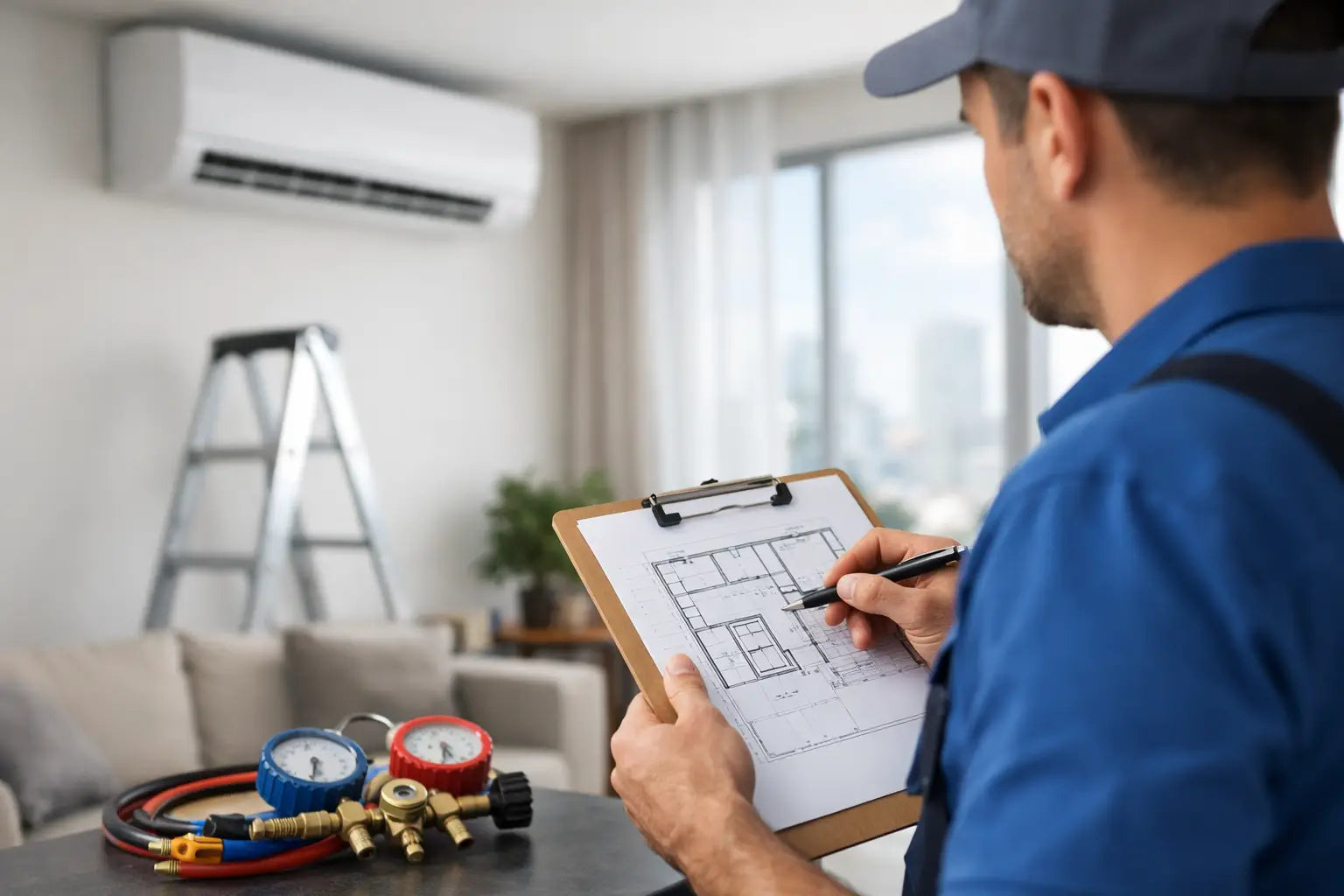
That is why site assessment matters. Before choosing a brand or package, confirm the number of rooms to be cooled, the current system type, the age of the piping, the condition of insulation, trunking route, drainage layout, and whether the outdoor unit location has any service restrictions. In condos, those details affect both price and feasibility.
Start with your current setup
Most condo owners know they have a System 2, System 3, or System 4, but that alone is not enough for planning. You should also check whether your replacement is a like-for-like setup or whether your cooling needs have changed. A spare room that is now a home office may need stronger and more consistent cooling than before. A living room with afternoon sun exposure may also require different unit capacity.
If your existing setup has always struggled in one part of the home, do not assume the old configuration was correct. Aircon replacement is the best time to correct bad sizing, poor unit placement, and inconvenient piping routes.
Check condo rules before you confirm installation
One of the most overlooked parts of how to plan condo aircon replacement is management approval. Every condo has its own renovation and installation requirements. Some require advance notice, a permit, a refundable deposit, designated working hours, lift protection, or specific routing rules for condensate drainage and trunking.
If this is not clarified early, your installation can be delayed after you have already ordered equipment. In some cases, installers arrive on site only to find out that condenser access requires separate clearance or that drilling hours are restricted. That causes wasted trips, rescheduling, and frustration.
Get clear answers on a few practical points. Ask whether replacement work needs prior approval, whether there are blackout dates, whether workers need registration, and whether there are any façade or ledge restrictions for outdoor units. Also ask if there are noise limitations during certain hours. A proper installer should be familiar with condo coordination, but it is still better for the owner to confirm early.
Timing matters more than most owners expect
Do not wait until the system completely fails in the hottest part of the year. When replacement is urgent, owners are more likely to accept whatever stock is available, rush management approval, and overlook material specifications. Planning early gives you room to compare options and schedule installation at a sensible time.
It also helps if you are renovating, moving into a resale condo, or taking over a unit from a previous owner. Replacing the system before furniture is fully in place makes access easier and reduces the risk of messy touch-up work.
Choose the right system, not just the cheapest quote
A lower quote can look attractive until you compare what is actually included. In condo aircon replacement, the quality of installation materials and workmanship has a direct impact on performance, durability, and serviceability.
Copper pipe thickness, insulation grade, drainage quality, wiring standard, and bracket or support work are not small details. They influence whether the system runs efficiently and whether problems such as sweating pipes, gas leaks, water leaks, or premature wear show up later. Cheap installation packages often cut cost where owners cannot easily see it.
When comparing quotations, look beyond brand names. Ask what copper thickness is provided, what insulation is used, whether the cables are compliant and durable, whether dismantling and disposal are included, and whether any extra charges apply for piping extension, condensate pumps, or trunking modifications. Transparent pricing is a sign that the company is used to doing the job properly.
Brand choice should match your usage pattern
There is no single best brand for every condo. Some owners prioritize energy efficiency because the system runs daily. Others care more about quiet operation in bedrooms, stronger performance in larger living spaces, or easier long-term servicing.
If the condo is owner-occupied, durability and maintenance support usually matter more than chasing the lowest upfront price. If it is a rental unit, you may balance cost control with reliability, since frequent tenant complaints can become more expensive than choosing a better system at the start.
Plan the installation details carefully
A proper condo replacement plan should cover more than unit selection. It should also address how the work will be carried out inside the apartment.
If concealed piping is being reused, make sure its condition is verified honestly. Reusing existing piping may reduce cost and wall disruption, but only if the piping is still suitable. If it is too old, poorly insulated, or already contaminated, reusing it can shorten the life of the new system. This is one of those decisions where it depends on the actual site condition, not just owner preference.
If new piping is needed, ask how it will be routed and finished. Some condo owners prefer the neatest visual outcome, while others want to minimize hacking and reinstatement. Both are valid priorities, but they lead to different installation approaches.
Drainage is another area where shortcuts cause future complaints. Poor gradient, weak insulation, or rushed connection work can lead to water leaking from fan coil units or staining on walls and ceilings. A professional team will plan drainage with the same care as refrigeration piping.
Do not ignore electrical readiness
Older condo units sometimes have electrical limitations that are only discovered during installation. If the replacement system has different power requirements or if the isolator and wiring are outdated, electrical upgrading may be necessary.
This should be identified before installation day, not after the old units are already removed. A smooth replacement depends on coordinated planning between aircon work, electrical checks, and any finishing work needed afterward.
Think past handover day
The best replacement plan is not just about getting cold air back quickly. It is about reducing the chances of callbacks, leaks, and performance issues over the next several years.
That means choosing an installer with a clear workmanship standard, proper after-sales support, and an in-house process strong enough to maintain consistency. Condo owners are not just buying equipment. They are buying execution. A well-known brand installed badly will still disappoint.
This is where a workmanship-focused company stands apart. Commercestar Engineering, for example, emphasizes upgraded materials, premium installation standards, and direct service structure because installation quality is what determines whether the system performs the way it should.
Maintenance planning should also be part of your replacement decision. If access to the condenser is awkward or your household uses the system heavily, regular servicing becomes even more important. A replacement done right should make future servicing straightforward, not harder.
A practical budget for condo aircon replacement
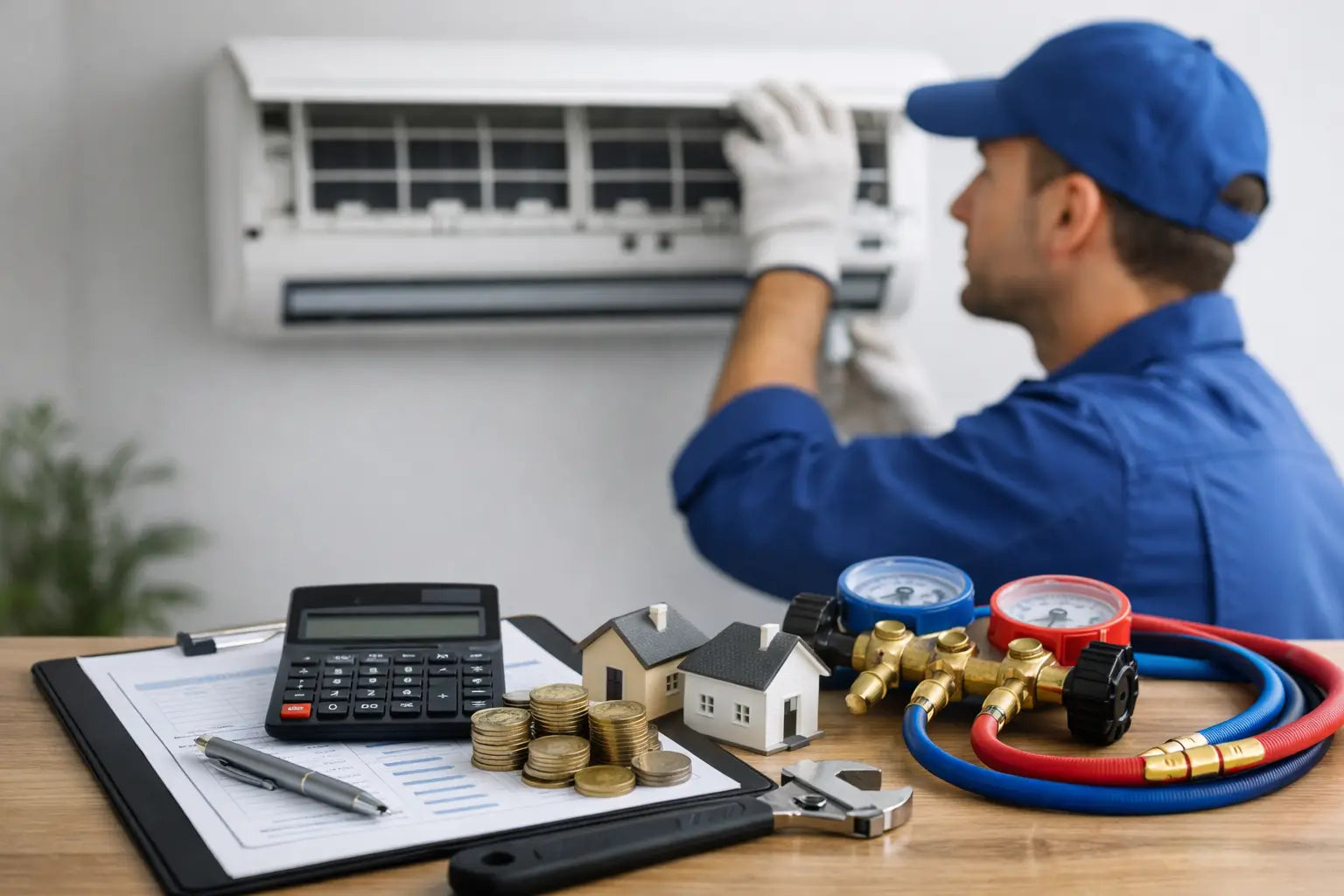
Set your budget with three layers in mind. First is the equipment cost. Second is installation cost, including dismantling, disposal, and standard materials. Third is the variable site cost, which may include extra piping length, electrical rectification, condensate pump work, trunking changes, wall patching, or condo compliance requirements.
Owners who budget only for the advertised package price often feel blindsided when site realities add cost. That does not always mean the quote was misleading. Condo installations are simply more site-sensitive than many people expect. The key is to work with a provider who flags those possibilities upfront rather than springing them on you halfway through the job.
The smartest plan is usually not the cheapest one. It is the one that gives you reliable cooling, neat finishing, durable materials, and fewer headaches after installation. In a condo, where access and approvals are tighter, getting the job done correctly the first time is worth more than saving a little on paper.
If you are deciding when to replace, treat recurring problems as your window to plan rather than your signal to panic. A well-planned replacement gives you choices, and choices usually lead to a better result.