Is an Annual Aircon Maintenance Plan Worth It?
That first weak blast of warm air usually happens on the worst possible day - a hot afternoon, a full house, or right before business hours. By then, most people are not asking whether an annual aircon maintenance plan is necessary. They are asking how fast someone can fix the problem.
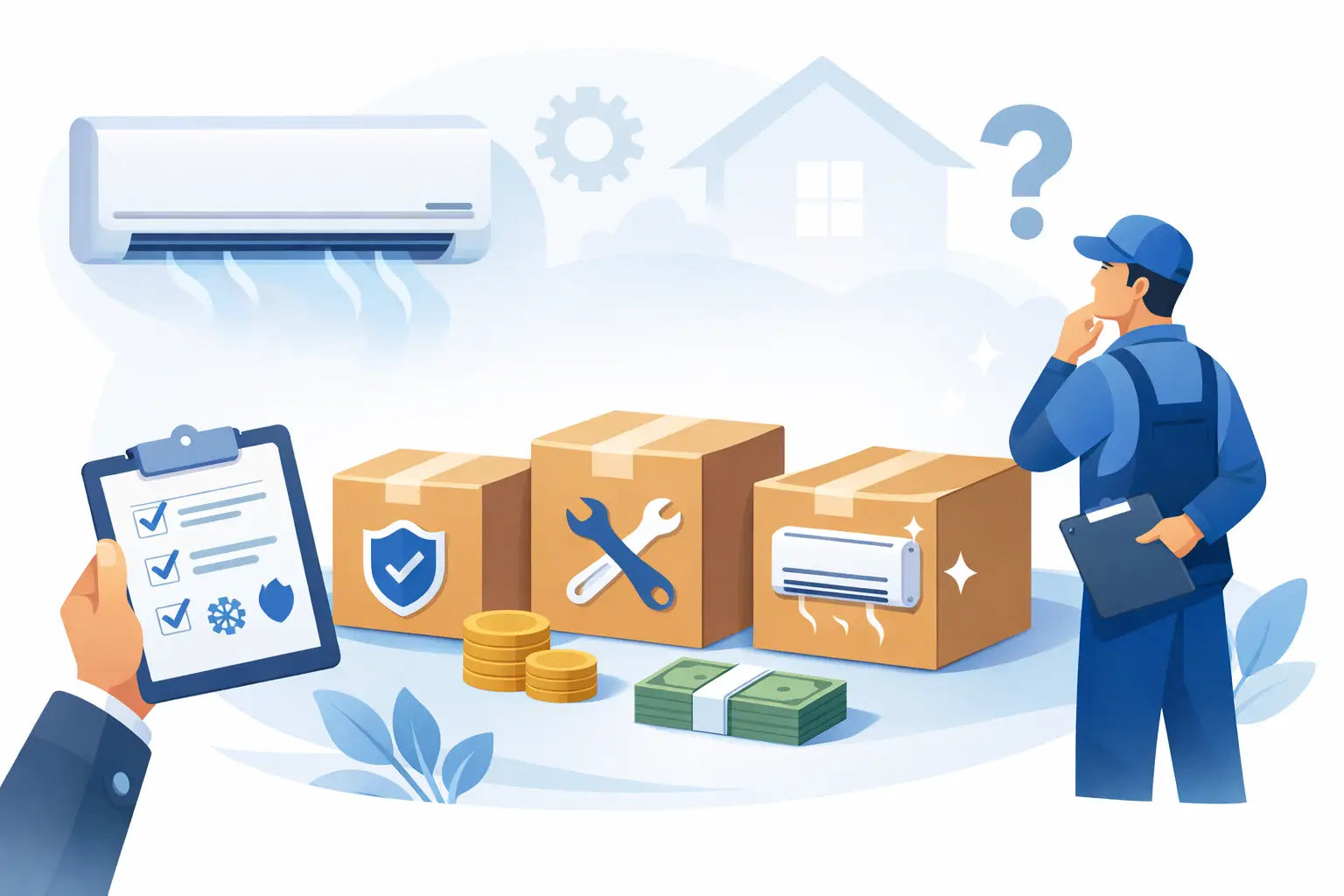
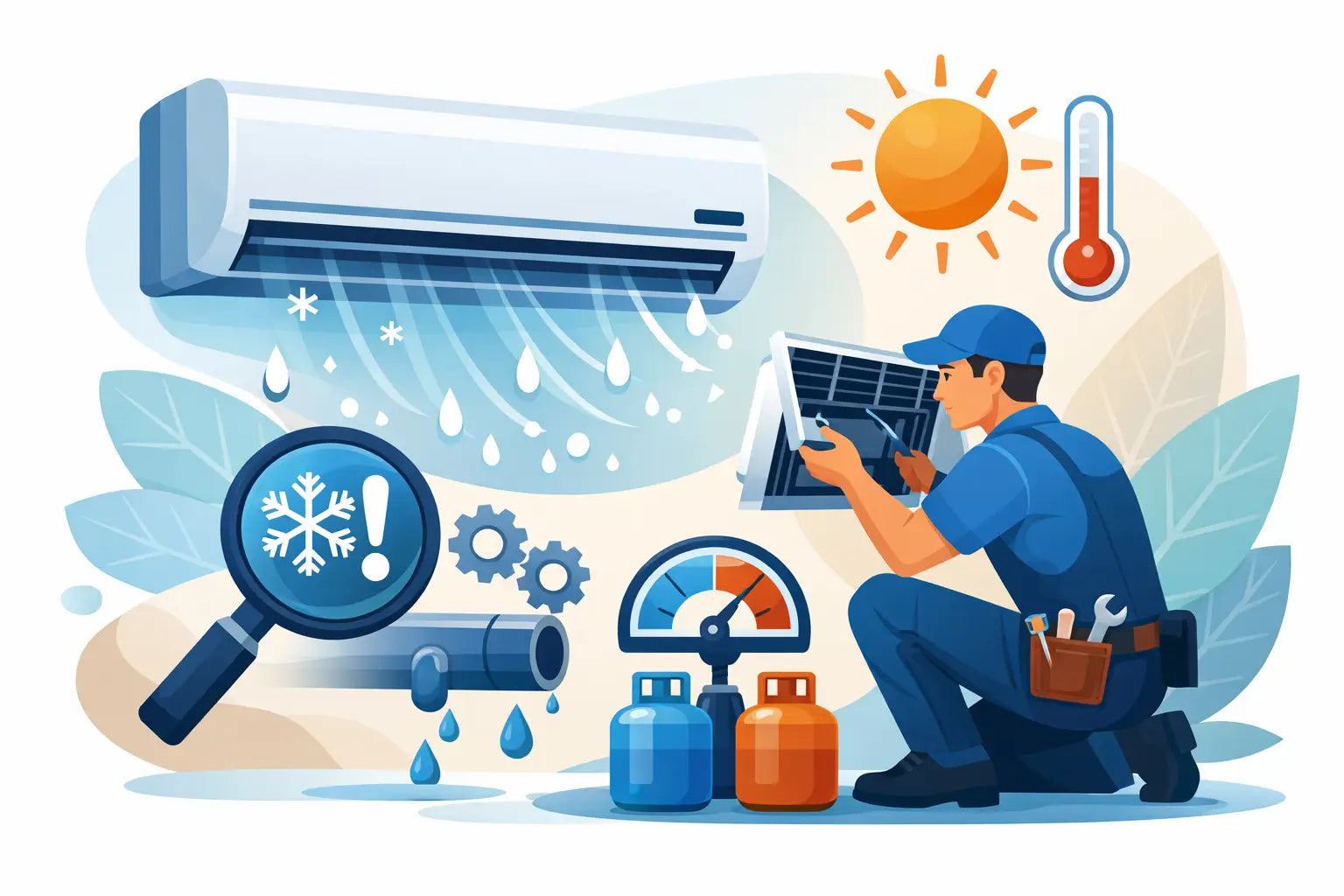
In practice, air-conditioning issues rarely appear out of nowhere. Reduced cooling, water leaks, strange noise, musty smells, and higher power bills often build up slowly. A proper maintenance plan is meant to catch those warning signs early, keep the system running efficiently, and reduce the chance of avoidable repairs. The real question is not whether maintenance matters. It is whether a structured yearly plan gives you better value than calling for service only when something goes wrong.
What an annual aircon maintenance plan actually does
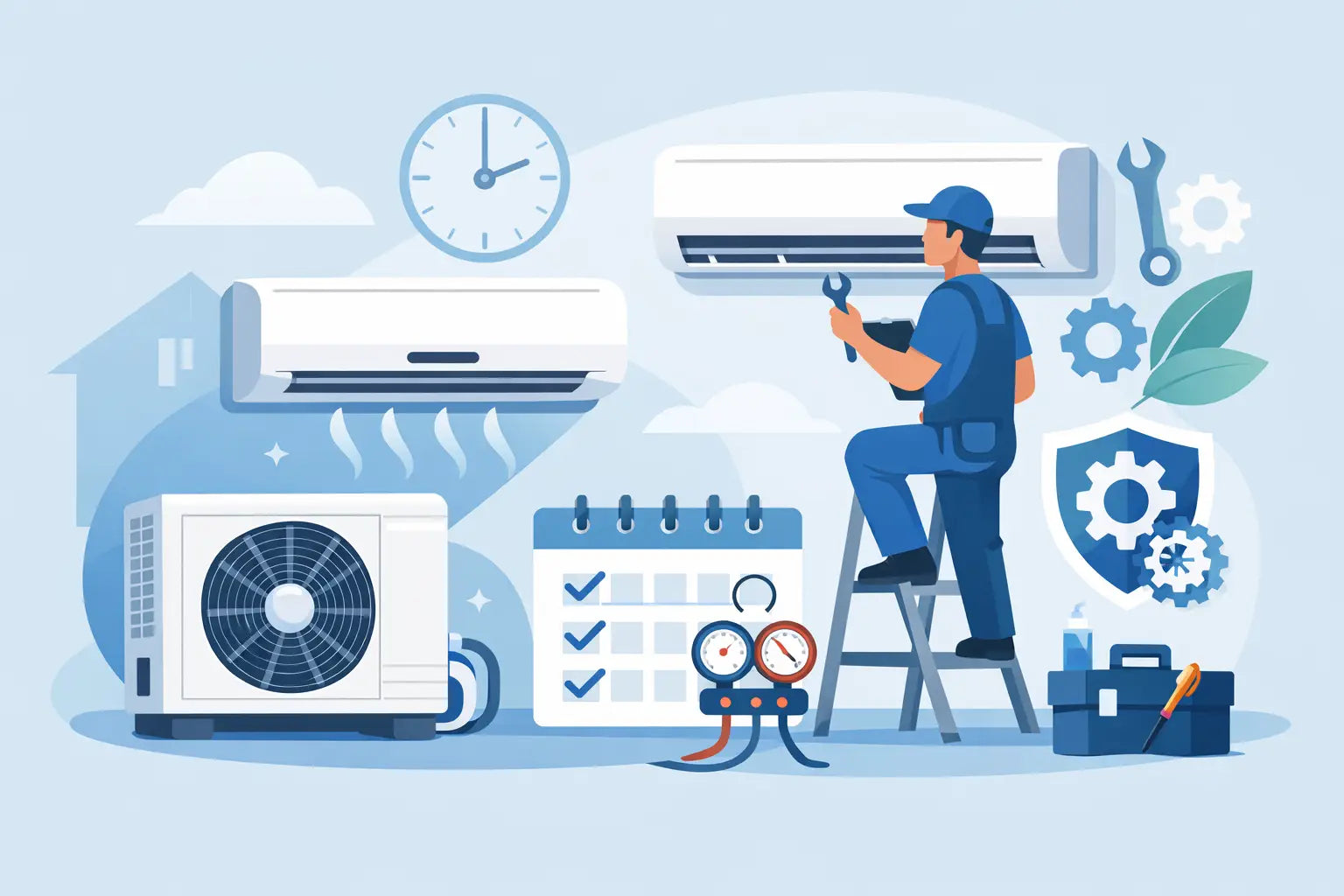
A good maintenance plan is not just a reminder service. It is a scheduled care program designed to keep core components clean, checked, and working within normal conditions throughout the year.
For most homes, that means regular servicing of fan coil units, filter cleaning, drainage checks, coil inspection, and performance testing. For heavier-use spaces like offices, retail shops, and food businesses, it can also mean closer attention to cooling consistency, system loading, and signs of wear that could disrupt operations.
This matters because aircon systems do not fail only from age. They also fail from neglect. Dust buildup reduces airflow, clogged drainage can lead to leaking, and strained components have to work harder to deliver the same cooling result. Over time, that extra stress shows up in comfort problems, higher electricity use, and more frequent breakdowns.
Why annual aircon maintenance plans save money over time
The cheapest service approach often looks affordable only at the start. If you skip regular servicing, you may avoid a scheduled maintenance bill, but you increase the chance of paying for urgent troubleshooting, part replacement, chemical cleaning, or lost business downtime later.
For homeowners, the savings are usually tied to prevention. A unit that is cleaned and checked regularly has a better chance of maintaining airflow and cooling performance. That helps it operate more efficiently and puts less stress on the compressor and other key parts. You may not notice the difference day by day, but over a year, a neglected system often costs more to run.
For businesses, the cost calculation is even clearer. If an office loses cooling during working hours, staff comfort and productivity drop. If a retail or F&B space has aircon trouble, customer experience suffers immediately. In those settings, an annual aircon maintenance plan is less about routine housekeeping and more about risk control.
That said, not every property needs the same frequency or scope. A lightly used guest room aircon and a living room unit running daily do not age the same way. The same goes for a quiet home office versus a commercial space with long operating hours. The right plan depends on usage, number of units, environment, and how critical uninterrupted cooling is.
What to look for in an annual aircon maintenance plan
Not all plans are equal, and this is where many buyers get caught by low headline pricing. A plan may sound comprehensive, but the actual service scope can be minimal.
Start with visit frequency. Annual does not always mean one visit a year. In many cases, the term refers to a one-year contract with multiple scheduled servicing sessions. That makes much more sense for regularly used systems because a single yearly visit is usually not enough for units running often.
Next, check what happens during each visit. A serious maintenance provider should inspect more than just the filters. Drainage condition, cooling performance, unusual sound, water leakage risks, and general unit cleanliness all matter. If technicians rush through the work without checking operating condition, the service becomes cosmetic rather than preventive.
It is also worth asking who performs the work. A company with a structured in-house team often offers better service consistency than one that depends heavily on loosely managed third parties. Workmanship standards, follow-up accountability, and communication tend to be stronger when the team is directly managed.
Materials and technical standards matter too, especially when maintenance is tied to a newer installation. If the original installation used better insulation, stronger piping, and properly planned routing, the system typically starts from a healthier baseline. Maintenance then becomes more effective because the technician is preserving a system that was built correctly in the first place.
When a maintenance plan is especially worth it
If you use your aircon most days, the answer is usually yes. Singapore-style climate conditions put air-conditioning systems under constant demand, and heavy use creates a predictable need for scheduled servicing.
Families with children or older adults often benefit because comfort is not optional. The same applies to people working from home. If the aircon is essential to daily living, you do not want to leave its condition to chance.
An annual aircon maintenance plan also makes sense for owners of newly installed systems who want to protect long-term performance. Regular servicing supports cleaner operation and can help identify minor issues before they grow into expensive ones.
For commercial users, the case is stronger still. Offices, clinics, shops, and restaurants depend on a stable indoor environment. Waiting for a failure is rarely a good strategy when customer-facing spaces or operational continuity are involved.
When it may depend
There are cases where a plan needs to be tailored rather than simply accepted as a standard package. If you have a unit that is rarely used, you may not need the same servicing frequency as a household that runs several fan coils every day.
Likewise, older systems may need a more careful assessment. Maintenance is valuable, but it cannot reverse every issue tied to age, corrosion, or poor original installation. If a system already has recurring leaks, major cooling problems, or repeated repair history, the better move may be a technical evaluation first. A maintenance plan works best when it is part of a sensible long-term care approach, not a way to postpone obvious replacement needs.
This is also why transparent advice matters. A trustworthy provider should tell you when regular servicing is enough and when deeper repair work, chemical cleaning, or replacement is the more practical option.
Signs your current setup needs a proper plan
If you are booking ad hoc servicing only when the air feels weak, your system is already on a reactive cycle. The same goes if you keep dealing with minor dripping, stale smells, or rooms that take too long to cool.
Another common sign is inconsistent servicing records, especially in rental properties or offices where no one is quite sure when the units were last maintained. Without a schedule, maintenance becomes easy to delay. Then small issues stack up.
A proper plan adds structure. You know when service is due, what scope should be covered, and who to contact if something feels off between visits. That consistency is often what keeps a manageable issue from turning into a disruptive one.
Choosing a provider, not just a price
Maintenance plans should be judged the same way installations are judged - by workmanship, clarity, and long-term reliability. Cheap servicing is not a bargain if it is rushed, incomplete, or poorly documented.
Look for a company that explains its service process clearly, shows technical seriousness, and has visible customer proof behind its claims. If the same business also handles installation, repair, and after-sales support in a structured way, that is often a good sign. It suggests they understand the full life cycle of the system rather than treating servicing as a quick standalone job.
For customers who care about dependable execution, this is where a specialist provider stands apart. Commercestar Engineering, for example, positions maintenance as part of a broader standard of workmanship rather than a low-cost add-on. That approach makes sense because aircon performance depends on both how the system was built and how it is cared for afterward.
The real value of an annual aircon maintenance plan
An annual aircon maintenance plan is usually worth it when you want fewer surprises, steadier cooling, and better control over long-term costs. It is not magic, and it will not erase every problem. But it gives your system a better chance to run the way it should, especially when the plan is properly scoped and carried out by a reliable team.
If your aircon matters every day, maintenance should not begin only after something goes wrong. The smarter time to plan for service is when the system still seems fine.