How to Reduce Aircon Electricity Bill Fast
A lot of people only notice their cooling habits when the power bill jumps. If you are wondering how to reduce aircon electricity bill without turning your home or workplace into a sauna, the answer is usually not one dramatic fix. It is a series of practical decisions - temperature setting, servicing, insulation, usage patterns, and system quality - that work together.
In Singapore, air conditioning is not a luxury for many households and businesses. It is part of daily comfort and, in some cases, daily operations. That is exactly why small inefficiencies become expensive over time. A unit that runs longer than necessary, cools unevenly, or leaks energy through poor installation can quietly add cost every month.
How to reduce aircon electricity bill at the source
The cheapest electricity is the electricity you never use. That sounds obvious, but many owners focus on the monthly bill before looking at what is forcing the system to work harder in the first place.
Start with your thermostat setting. Setting the aircon extremely low does not cool the room instantly. It simply keeps the compressor running longer. For most homes, a moderate setting paired with a fan will feel more comfortable than overcooling the room. If your usual setting is very cold, raising it slightly can make a real difference over a full billing cycle.
Room sealing matters too. If cool air is escaping through gaps around doors, old window seals, or poorly insulated spaces, the aircon has to keep replacing lost cooling. In offices and retail spaces, frequent door opening can have the same effect. This is one reason some spaces never seem to feel cool even when the system is always on. The issue is not only the aircon unit. It is the environment around it.
Sun exposure also affects runtime. Rooms that take strong afternoon sun will naturally demand more cooling. Curtains, blinds, solar film, or even adjusting occupancy patterns can reduce unnecessary load. It is a simple step, but it works because it lowers the heat entering the room before the aircon has to fight it.
Your aircon settings matter more than most people think
Many users pay too much because they run the system in the least efficient way possible. Not because the unit is bad, but because the settings are working against them.
Dry mode can help in humid conditions, especially when the room feels sticky rather than hot. It uses less energy than aggressive cooling in some situations because it focuses on moisture reduction. That said, it depends on room size, outdoor conditions, and how your specific model performs. Cool mode is still necessary when there is real heat load.
Timer functions are often underused. There is no reason for an aircon to blast through the night at full runtime if the room reaches comfortable temperature within the first few hours. Sleep mode or timer-off settings can trim waste without sacrificing comfort. In a commercial setting, scheduled controls are just as useful. Cooling empty rooms before opening hours or after staff leave is an easy way to burn money.
Fan speed is another area where people guess instead of optimize. Higher fan speed can help distribute cool air faster at the beginning, but it does not always need to stay there. The goal is stable comfort, not maximum output all day.
Maintenance is one of the biggest answers to how to reduce aircon electricity bill
A dirty aircon costs more to run. That is not marketing talk. It is basic system behavior.
When filters clog with dust, airflow drops. When coils collect dirt, heat transfer becomes less efficient. When drainage issues start, moisture problems can affect performance. The system then needs more time and more electricity to deliver the same cooling result.
For homeowners, regular servicing is one of the most practical cost-control steps available. Cleaning filters helps, but that is only part of the picture. A proper service checks coil condition, drainage, refrigerant behavior, and overall operating performance. If the unit is short-cycling, blowing weakly, or taking too long to cool, the power bill often reflects that long before a breakdown happens.
For businesses, maintenance is even more critical because operating hours are longer and cooling demand is less forgiving. A poorly maintained office or retail unit does not just waste energy. It can affect staff comfort, customer experience, and equipment reliability.
This is where workmanship and after-sales support matter. A proper maintenance schedule is not only about preventing faults. It is about keeping the system efficient over the long term, which is exactly where the savings show up.
Installation quality affects monthly cost
Many people shop based on aircon brand and price, then assume all installations are roughly the same. They are not.
Even a premium system can underperform if installation standards are weak. Poor piping practice, low-grade insulation, incorrect sizing, bad drainage falls, and careless routing can all reduce efficiency. Some of these issues show up quickly. Others turn into higher electricity use over time.
Correct sizing is especially important. An undersized unit will struggle and run excessively. An oversized unit may cool too quickly without dehumidifying properly, leading to discomfort and inefficient cycling. The right match depends on room size, layout, heat load, ceiling height, and usage pattern.
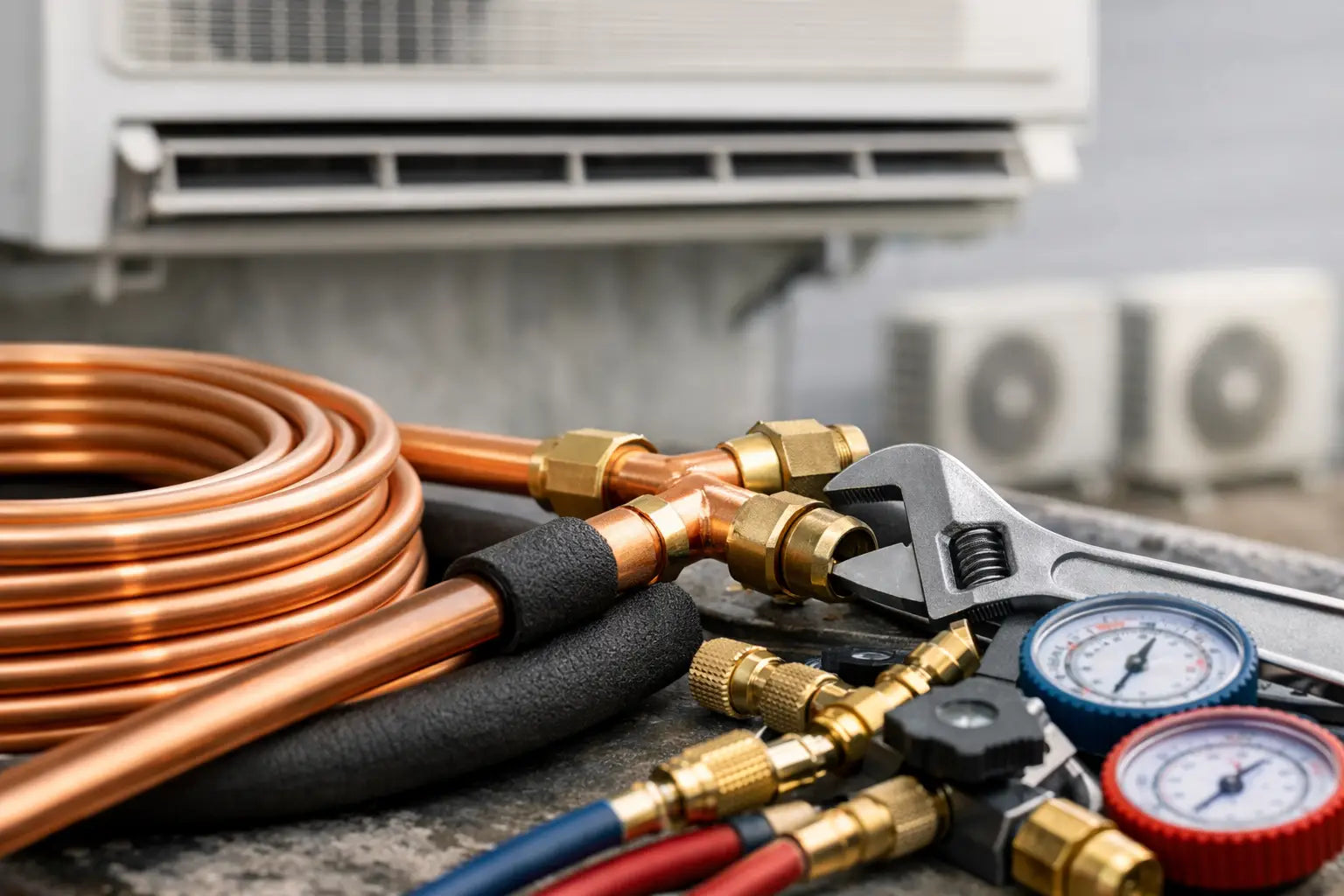
Material quality matters as well. Better insulation on piping helps minimize energy loss. Good copper thickness supports long-term system integrity. Reliable cabling and neat, proper installation reduce the risk of future faults that can affect performance. Customers often think these are technical details only engineers care about. In reality, these details influence whether the system runs efficiently for years or starts draining money through hidden inefficiencies.
A company like Commercestar Engineering builds its value around this exact point - premium installation materials, in-house workmanship, and long-term reliability rather than chasing the lowest upfront quote.
Old units may be the real reason your bill is high
Sometimes the most honest answer is that your existing system is simply inefficient.
Older aircon units generally use more electricity than newer inverter models, especially if they have not been maintained consistently. If your aircon is aging, running loudly, cooling unevenly, or needing repeated repairs, continuing to patch it may cost more than replacing it.
That does not mean every older unit must go immediately. If the system is still structurally sound and the issue is poor maintenance or user habits, servicing and optimization may be enough. But if the unit is near the end of its service life, efficiency gains from a newer system can be significant.
For households upgrading after years in the same flat, and for business operators planning fit-outs or renovations, replacement is a good time to think beyond the unit itself. System design, brand suitability, zoning, and installation quality all affect future operating costs.
Small usage changes that add up
People often ask for one trick to cut the bill. Usually, there is no single trick. There are a few good habits that compound.
Keep doors and windows closed when the aircon is running. Use ceiling or circulating fans to spread cool air so you can tolerate a slightly higher temperature setting. Clean basic filters regularly if your model allows it. Avoid cooling unused rooms. In bedrooms, pre-cool if needed, then use timer settings instead of running the coldest setting all night.
In offices and shops, review your operating schedule honestly. If your system turns on earlier than necessary or stays on after occupancy drops, that is easy waste. Zoned use helps too. Not every area needs the same level of cooling all day.
The key is consistency. A five percent gain here and ten percent gain there becomes meaningful over twelve months.
When lower bills and better comfort go together
The mistake many people make is assuming energy savings always mean less comfort. In practice, the opposite is often true. A well-installed, properly maintained aircon with sensible settings usually cools faster, feels more stable, and costs less to run.
If your current setup leaves rooms too cold in one corner and too warm in another, or if the bill feels too high for the cooling you get, there is usually a fixable reason. It may be maintenance. It may be usage habits. It may be system design. And sometimes it is all three.
The smart approach is not to chase the cheapest unit or the lowest service price. It is to look at total operating value - installation quality, material standards, maintenance discipline, and daily usage. That is what keeps an aircon efficient long after installation day.
A lower electricity bill usually starts with a better-performing system. Get that right, and the savings tend to follow naturally.