Condo Aircon Upgrade Example That Makes Sense
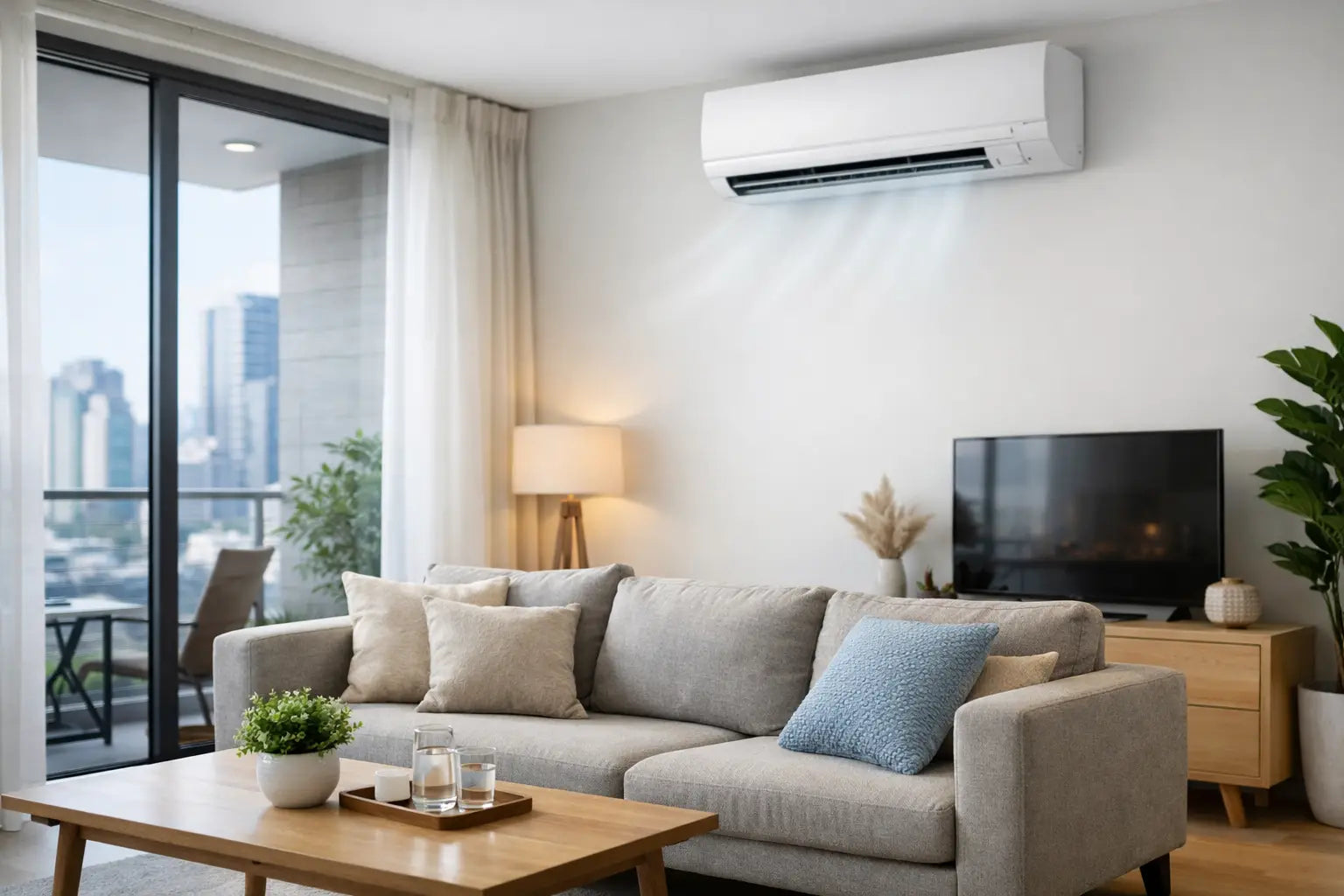
A failing condo aircon system rarely fails all at once. It starts with one bedroom feeling warmer than the rest, a blower that sounds louder than before, or water stains near trunking that were not there last year. That is why a good condo aircon upgrade example matters. It shows what a proper replacement really involves, beyond changing indoor units and hoping for the best.
For condo owners, the real question is not just which brand to buy. It is whether the new system is matched correctly to the layout, whether the piping and insulation are still worth keeping, and whether the installation standard will support long-term performance. In many cases, the cheapest quote only looks cheaper because it leaves out the details that usually cause trouble later.
A practical condo aircon upgrade example
Take a common setup: a three-bedroom condo with one living room and three bedrooms, using a multi-split system that is around 10 to 12 years old. The owner notices that the master bedroom cools slowly, the living room unit leaks occasionally, and power bills have climbed even though usage has not changed much. Servicing helps for a while, but the problems keep returning.
In this condo aircon upgrade example, the owner has two options. The first is to replace only the worst-performing fan coil units and keep the old condenser and piping. The second is to upgrade the full system properly, including a new condenser, new indoor units, and a careful assessment of the existing pipe run, drainage, electrical connection, and trunking condition.
On paper, partial replacement sounds attractive. It lowers the upfront cost and seems less disruptive. In practice, it often creates compatibility issues, uneven performance, and a shorter useful life for the new components. When an old condenser is already losing efficiency, pairing it with new indoor units does not give the owner the full benefit of the upgrade.
That is why many condo owners choose full replacement when the system is already past the 8 to 10 year mark and showing repeated faults. The decision is not about buying the most expensive package. It is about avoiding a cycle of repairs on aging infrastructure.
What a proper upgrade should evaluate first
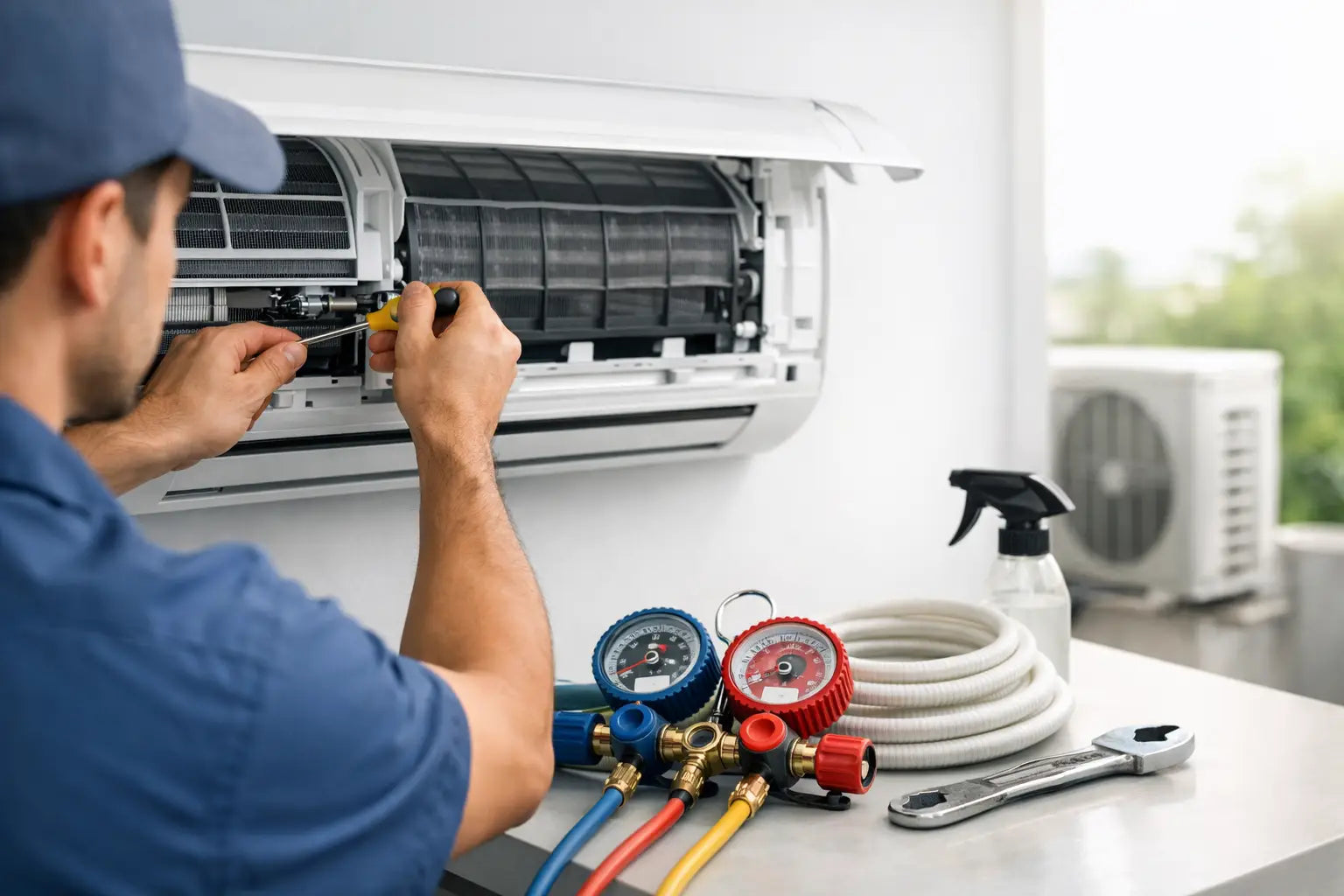
Before any recommendation is made, the installer should look at the actual condition of the site. This includes cooling capacity by room size, existing piping route, drainage fall, power supply, access constraints, and any condo management rules that affect condenser placement or work timing.
This part is often skipped in low-effort sales processes. Yet it is where the quality of the whole project is decided. A living room with strong afternoon sun may need a different capacity approach than a shaded bedroom. Existing copper piping may look usable from the outside, but internal wear, contamination, or poor insulation condition can still affect system reliability.
Condo projects also come with finishing considerations. Homeowners usually want neat trunking alignment, clean pipe concealment where possible, and minimal patching mess. A serious installer plans for this, instead of treating finishing work as an afterthought.
The materials behind a better result
When people compare aircon quotes, they often compare model numbers and price only. That misses a major part of the job. Installation materials directly affect cooling performance, durability, noise control, and the risk of leaks.
In a quality upgrade, thicker copper piping offers better durability than thinner alternatives. Class 0 insulation helps reduce condensation risk and supports more stable thermal performance. Good electrical cabling matters too, especially for system reliability and safety over time. These are not flashy upgrades, but they are exactly the details that separate a proper installation from one that starts giving trouble after a year or two.
This is also where workmanship matters more than marketing. A premium brand installed badly will still underperform. A properly selected system installed with care, tested correctly, and finished neatly gives the owner what they actually paid for - comfort, reliability, and fewer callbacks.
What gets replaced and what might stay
In most full replacement condo jobs, the condenser and all indoor fan coil units are replaced together. The drainage piping may stay if it is still properly routed, not brittle, and free from blockage issues. Trunking may also remain if it is in good condition and the new system layout matches the old path.
Copper piping is where judgment is needed. Reusing old piping can reduce cost and wall disturbance, but it is not always the best long-term move. If the old pipe has been in service for many years, has signs of wear, or was installed with lower-grade insulation, replacement is often the safer decision. Saving a bit upfront does not help if the owner later faces gas leaks, sweating lines, or performance issues that require rework.
So the answer is not always replace everything or keep everything. It depends on age, condition, compatibility, and access. A trustworthy recommendation should explain the trade-off clearly.
Expected benefits from the upgrade
In a realistic condo aircon upgrade example, the biggest improvement is not just colder air. It is more consistent cooling across rooms, faster pull-down time, quieter operation, and better energy efficiency. Many owners also notice fewer odor issues and less moisture-related discomfort, especially when the old system had weak drainage or aging insulation.
There is also a practical benefit that matters in everyday life - fewer disruptions. When a system becomes unreliable, the owner ends up scheduling repeat service visits, waiting at home for technicians, and dealing with uncertainty during hot weather. A proper upgrade reduces that hassle.
For owners preparing a unit for rental or resale, a clean and well-executed aircon replacement can also improve the overall presentation of the home. Prospective tenants and buyers may not ask about copper gauge or insulation class, but they do notice when the system looks neat, runs quietly, and cools well.
Cost questions homeowners usually ask
The first question is usually whether a cheaper quote is good enough. Sometimes it is, but often the difference in price reflects differences in scope, materials, and labor discipline. One quote may include better insulation, thicker copper, proper testing, and full cleanup. Another may just cover basic replacement with little detail.
The second question is whether upgrading now is worth it if the old system is still running. That depends on how often faults occur, how high the service costs have become, and whether cooling performance is still acceptable. If the system is old but stable, the owner may choose to plan ahead rather than replace immediately. If breakdowns are recurring, delay usually means paying more over time.
The third question is whether all brands perform the same. They do not. Different homes have different priorities, whether that is energy efficiency, quiet operation, maintenance access, or budget. The right recommendation should fit the property and the owner's priorities, not just whatever model is easiest to sell.
Why condo upgrades need careful execution
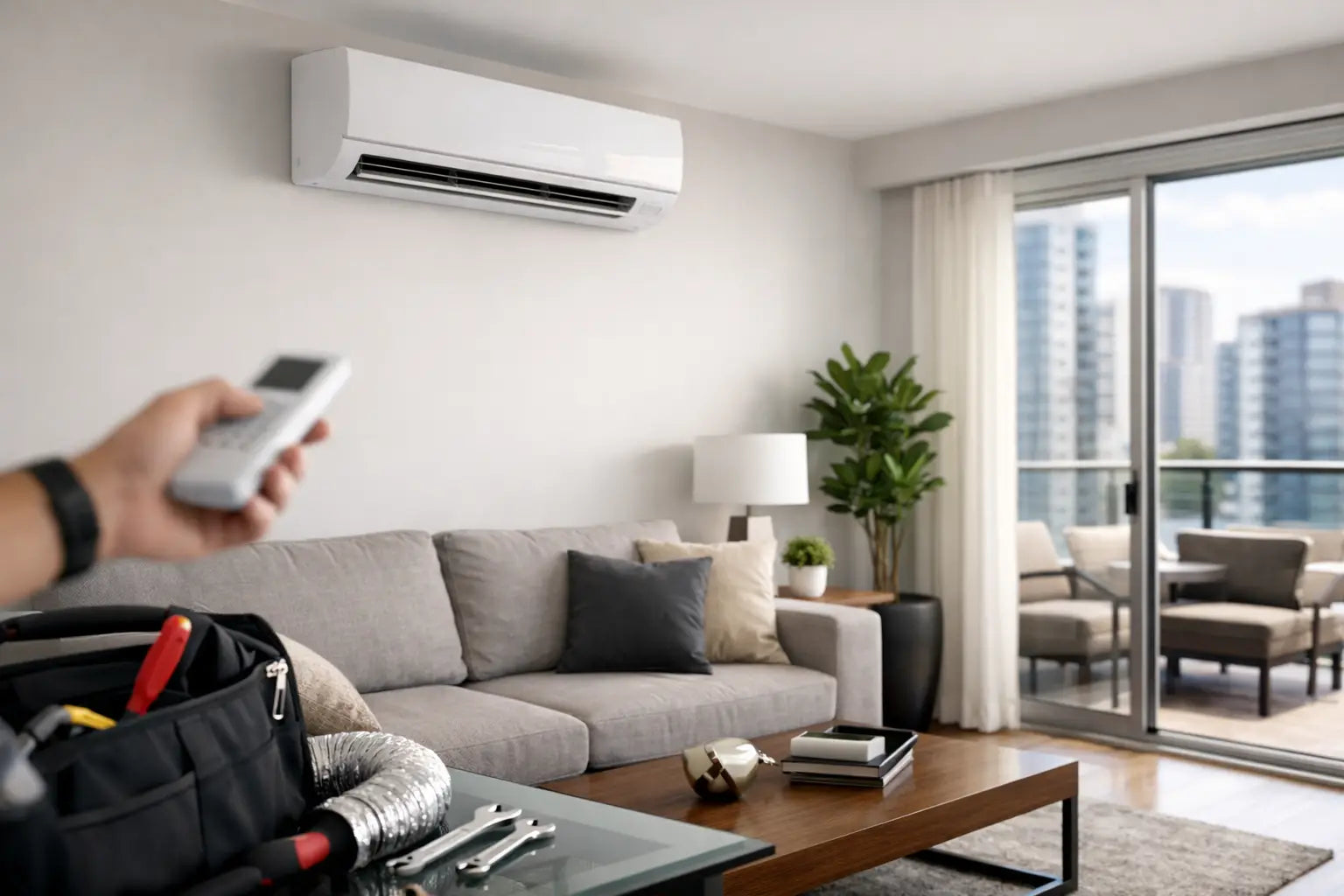
Condo aircon work is rarely a simple swap. Access can be tight. Existing trunking may run through visible areas. Management guidelines may limit working hours, transport routes, and condenser handling. This makes planning and workmanship especially important.
A rushed team can finish quickly and still leave problems behind - misaligned trunking, poor drainage slope, messy sealant work, or insufficient testing. Those details do not always show up on day one. They show up later, when condensation forms, water drips, or a room never quite cools properly.
That is why many homeowners prefer an installer with an in-house team and a clear process. It creates more accountability. If the same company manages site assessment, installation quality, testing, and after-sales support, there is less room for finger-pointing when something needs attention.
Commercestar approaches upgrades with that workmanship-first mindset because the installation details are what protect the value of the system after the boxes are opened and the units are mounted.
What to look for in your own condo aircon upgrade example
If you are comparing proposals for your condo, ask to see a breakdown that covers system sizing, material specifications, piping treatment, drainage planning, and finishing scope. Ask what is being reused and why. Ask how the system will be pressure tested and commissioned. These are practical questions, not technical trivia.
A good installer should be able to explain the recommendation in plain language. Not every condo needs the same setup, and not every owner needs the highest-tier option. But every owner benefits from clear advice, proper materials, and careful installation.
When an aircon upgrade is done right, it does more than replace old equipment. It removes uncertainty from one of the most used systems in the home. That kind of comfort is hard to put on a quote, but you feel it every day after the job is done.