Residential Aircon Installation Guide
The difference between a good air conditioner and a bad air conditioning experience usually comes down to installation. A strong residential aircon installation guide is not just about picking a brand or comparing BTUs. It is about sizing the system correctly, planning pipe routes properly, using durable materials, and making sure the job is done neatly the first time.
For homeowners, that matters more than most sales brochures admit. A poorly installed system can cool unevenly, leak water, waste energy, look messy on the wall, and cost more to maintain over the next few years. A properly installed one feels almost invisible. It cools consistently, runs quietly, and gives you fewer reasons to call for repairs.
What this residential aircon installation guide helps you avoid
Most installation problems start before the units even arrive. The wrong system may be selected for the room size. The installer may take the shortest route instead of the best route for drainage and appearance. Low-grade insulation, thin copper piping, or poor wiring may be used to cut costs. These choices may not be obvious on day one, but they show up later as condensation, gas leaks, reduced cooling performance, or premature system failure.
That is why homeowners should look beyond unit price. The cheapest quote can become the most expensive option if the installation team uses weaker materials or rushes the work. Better workmanship usually means better planning, cleaner finishing, and fewer hidden issues behind the wall or trunking.
Start with the right system for the home
Residential aircon installation begins with matching the system to the property type and usage pattern. A small bedroom has very different cooling needs from a sun-exposed living room with large windows. A compact apartment may work well with one setup, while a larger house with multiple family members using different rooms at different times may need a different system layout.
In practical terms, homeowners should consider room size, ceiling height, afternoon heat load, occupancy, and how often each room is used. Bigger is not always better. An oversized unit may cool the room too quickly without managing humidity well, while an undersized unit can struggle and run longer than it should.
This is also where layout matters. In some homes, a multi-split system makes sense because it connects several indoor units to one outdoor condenser. In others, especially where usage patterns vary a lot, there may be trade-offs between flexibility, upfront cost, and long-term efficiency. A good installer should explain these trade-offs clearly instead of pushing a one-size-fits-all recommendation.
Installation materials matter more than many homeowners realize
The indoor and outdoor units get most of the attention, but the supporting materials often determine how reliable the system will be. Copper pipe quality, insulation grade, drainage routing, cable quality, and finishing work all affect long-term performance.
Copper piping is a good example. Thicker copper is generally more durable and less prone to damage during installation. Insulation is just as important, especially in warm, humid climates where poor insulation can lead to condensation and water drips. The same goes for electrical cables. Good quality, properly rated cables reduce risk and support safer operation over time.
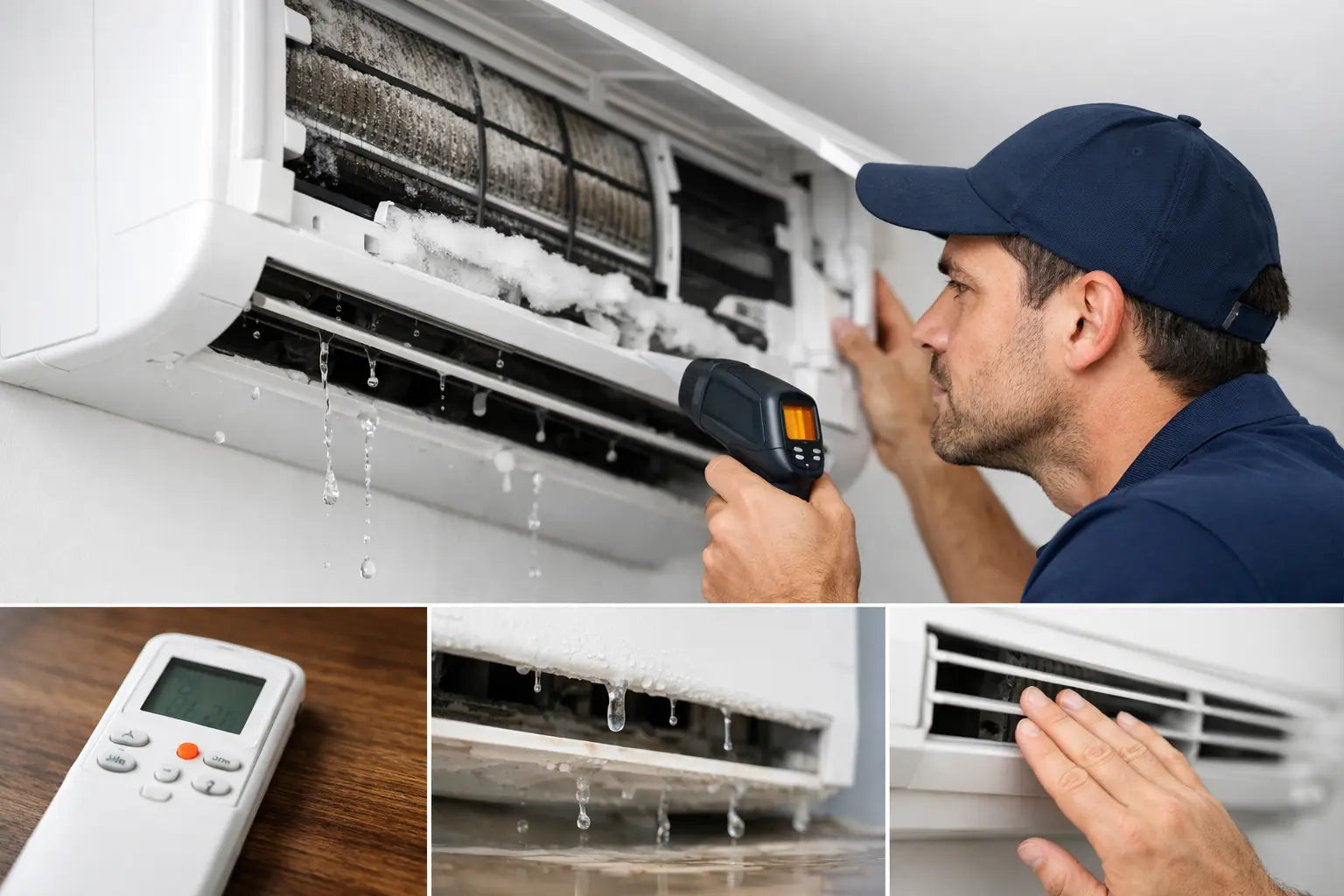
Drainage is another detail that separates careful workmanship from rushed work. The drain line must have proper fall and routing. If it is planned badly, water can back up, drip indoors, or create recurring service issues. Homeowners often focus on the visible units, but these concealed technical details are where installation quality really shows.
How the site assessment should be handled
A proper site assessment should never feel like guesswork. Before installation day, the contractor should review the property layout, identify the best indoor unit positions, confirm the outdoor unit location, and plan piping and drainage routes. This is also the stage where practical constraints need to be discussed.
For example, some homeowners want the shortest trunking run for a neater look, but the shortest route is not always the best route for drainage or future servicing. Others may want units placed in positions that look centered visually, but furniture layout or airflow direction may make a different position more effective.
A reliable installer will walk through these decisions with you. They should explain what is possible, what is not ideal, and where you may need to balance aesthetics, access, and technical performance. That kind of conversation saves a lot of frustration later.
What good installation day execution looks like
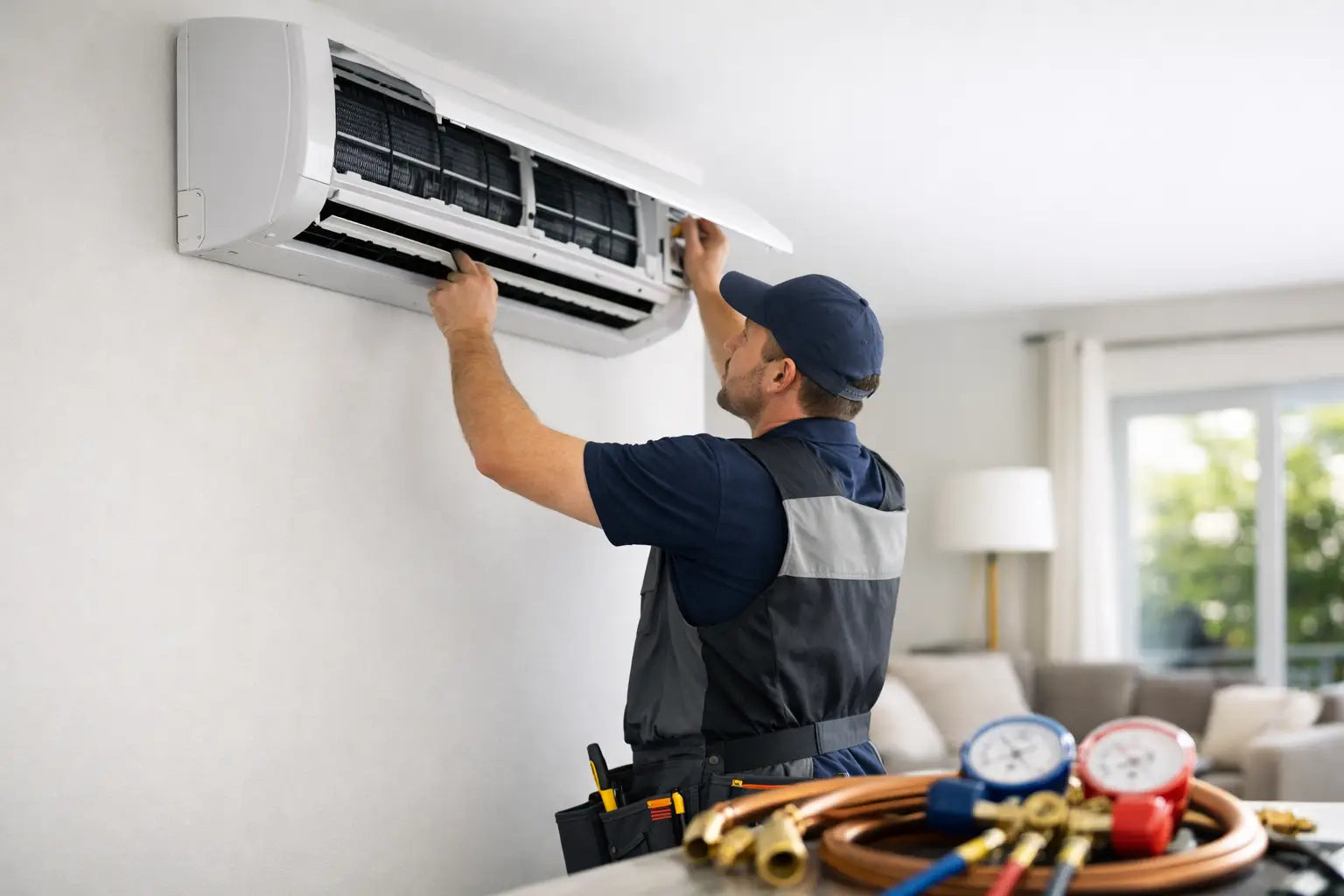
On installation day, the process should feel organized and controlled. The team should protect the work area, confirm unit positions before drilling, and keep communication clear throughout the job. Neatness matters here, not just for appearance but because careful teams usually work with more precision.
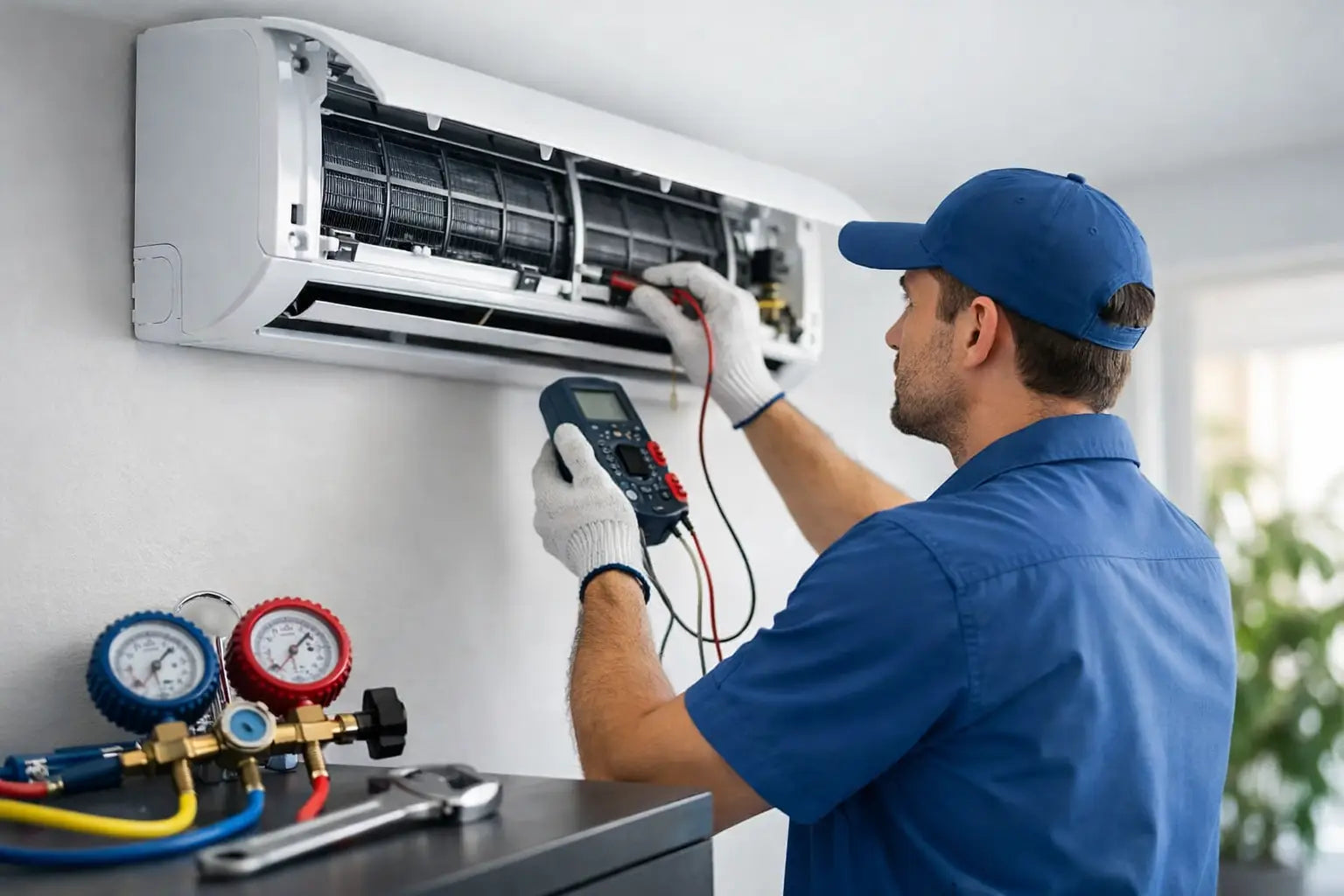
Mounting must be secure and level. Piping connections should be properly tightened and insulated. Wiring should be orderly, not loosely arranged. Vacuuming the system before commissioning is also a critical step, because it helps remove moisture and air from the refrigerant lines. Skipping or rushing this step can affect system performance and durability.
Finishing work should also be clean. Trunking should be aligned properly, wall penetrations sealed neatly, and exposed runs kept as discreet as possible. If piping box-up work is required, it should look intentional, not like an afterthought.
Questions worth asking before you commit
A residential aircon installation guide would be incomplete without one practical point: homeowners should ask better questions. Not more questions, just better ones.
Ask what installation materials are included and whether there are material upgrades. Ask about copper pipe thickness, insulation type, and cable origin or specification. Ask whether the installation team is in-house or subcontracted. Ask what testing and commissioning steps are performed before handover. Ask what after-sales support looks like if there is a leak, drainage issue, or performance concern after installation.
These questions do two things. They help you compare quotes more fairly, and they show very quickly whether the contractor takes workmanship seriously or mainly competes on price.
Price matters, but value matters more
Every homeowner has a budget, and that is reasonable. But aircon installation is one of those jobs where the lower quote may leave out the very things that make the system reliable. If one proposal is much cheaper than another, it is worth checking whether the difference comes from lighter materials, less experienced labor, limited warranty support, or missing finishing work.
Paying more does not automatically guarantee quality. But paying only for the cheapest number without checking what is behind it is risky. The better approach is to look for clear scope, transparent material specifications, and a contractor that can explain the installation method with confidence.
This is where a workmanship-oriented company stands apart. Commercestar Engineering, for example, positions installation quality as part of the product itself, not as a hidden variable. That approach makes sense for homeowners who want fewer surprises after the job is done.
After installation, the job is not really over
A newly installed system still needs proper handover and long-term care. Homeowners should be shown how to operate the units, understand basic maintenance intervals, and know when to schedule servicing. Even the best installation will not stay at its best without cleaning and upkeep.
Regular servicing helps maintain airflow, cooling efficiency, and drainage performance. It also gives technicians a chance to spot early issues before they become expensive ones. If a contractor offers structured after-sales support, that is often a sign they expect their installations to hold up and are prepared to stand behind them.
Choosing the right installer is the real decision
When homeowners shop for air conditioning, they often compare brands first. Brands do matter, but installation quality shapes the ownership experience more than many people expect. A premium unit installed badly can become a recurring problem. A well-matched system installed with care, proper materials, and strong after-sales support is far more likely to deliver the quiet, reliable cooling you were paying for in the first place.
So if you are planning a new setup or replacing an old one, treat the installer like part of the product. The right system helps you stay comfortable. The right installation helps you stay confident long after the installers leave.