How to Reduce Aircon Breakdowns
A breakdown rarely starts on the day your aircon stops cooling. In most homes and businesses, the warning signs show up earlier - weaker airflow, longer cooling time, water dripping, odd noises, or electricity bills that quietly creep upward. If you want to know how to reduce aircon breakdowns, the answer is not one quick fix. It comes from getting the installation right, maintaining the system properly, and acting early when performance changes.
That matters even more in Singapore-like climates where air-conditioning runs hard for long hours. For homeowners, a failed unit means sleepless nights and urgent repair bills. For offices, shops, and F&B spaces, it can disrupt staff comfort, customer experience, and daily operations. Reducing breakdowns is really about improving reliability over the full life of the system.
How to reduce aircon breakdowns starts with installation
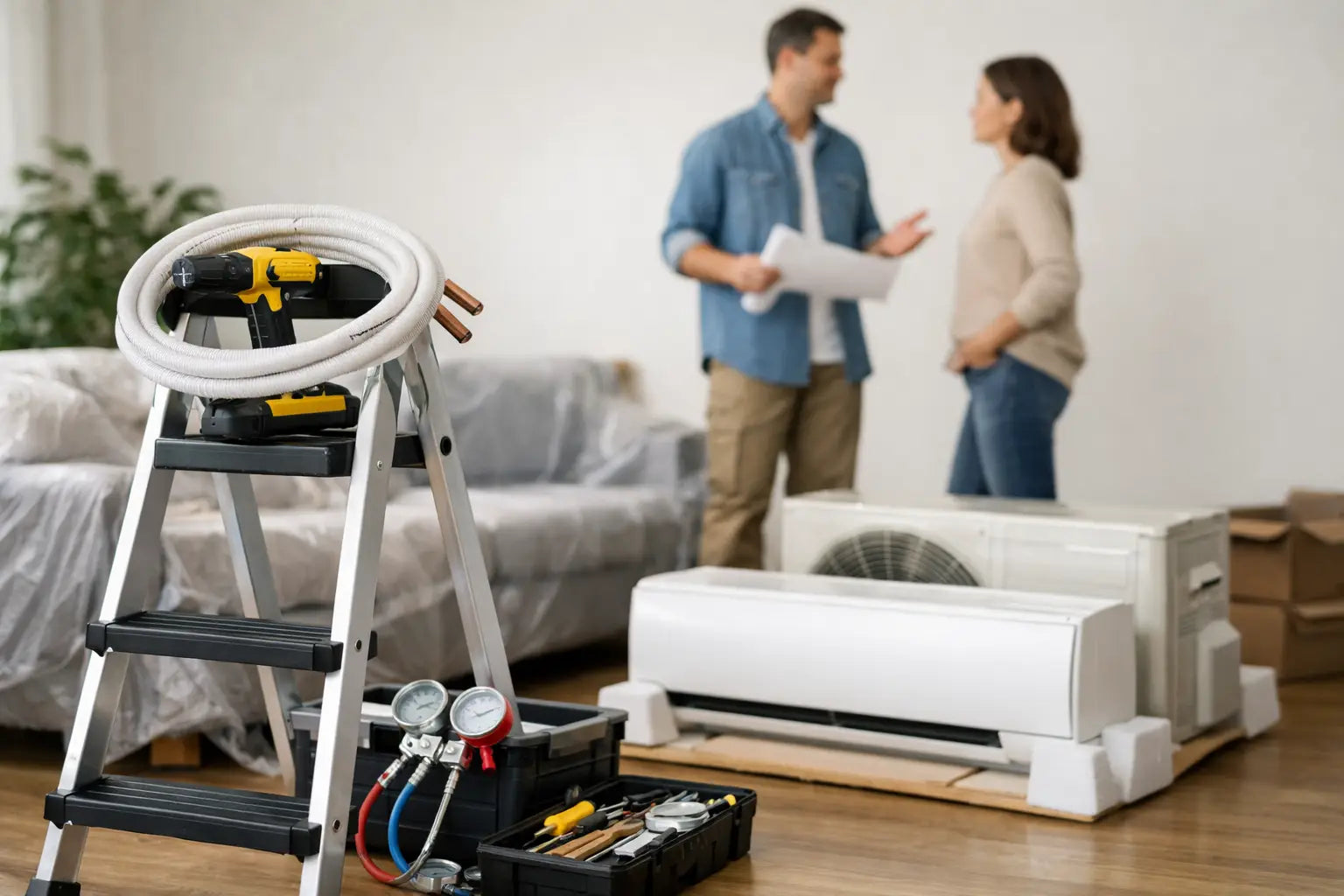
Many recurring aircon problems are traced back to installation quality. A good brand can still perform badly if the piping is poorly done, insulation is inadequate, drainage is not properly routed, or electrical work is rushed. These issues may not show up immediately, which is why some installations seem fine in the first few months and then start developing leaks, poor cooling, or compressor stress later on.
Proper copper piping matters because refrigerant flow depends on stable pressure and clean routing. If the piping is too thin, badly bent, or joined carelessly, the system works harder than it should. Good insulation matters too. In humid conditions, weak insulation can lead to sweating pipes, condensation, and water damage around concealed runs.
Drainage is another common weak point. When the drain line lacks proper gradient or gets trapped in a poor layout, water backs up. That can lead to dripping indoors, musty smells, and strain on the system over time. For homeowners doing renovation or replacement works, this is why the cheapest quote is often not the cheapest outcome. Better materials and careful workmanship usually save more money than repeated call-backs.
Servicing is preventive, not cosmetic
A lot of people treat servicing as something to do only when the unit already feels weak. That approach usually shortens equipment life. Routine servicing is what keeps normal wear from turning into breakdowns.
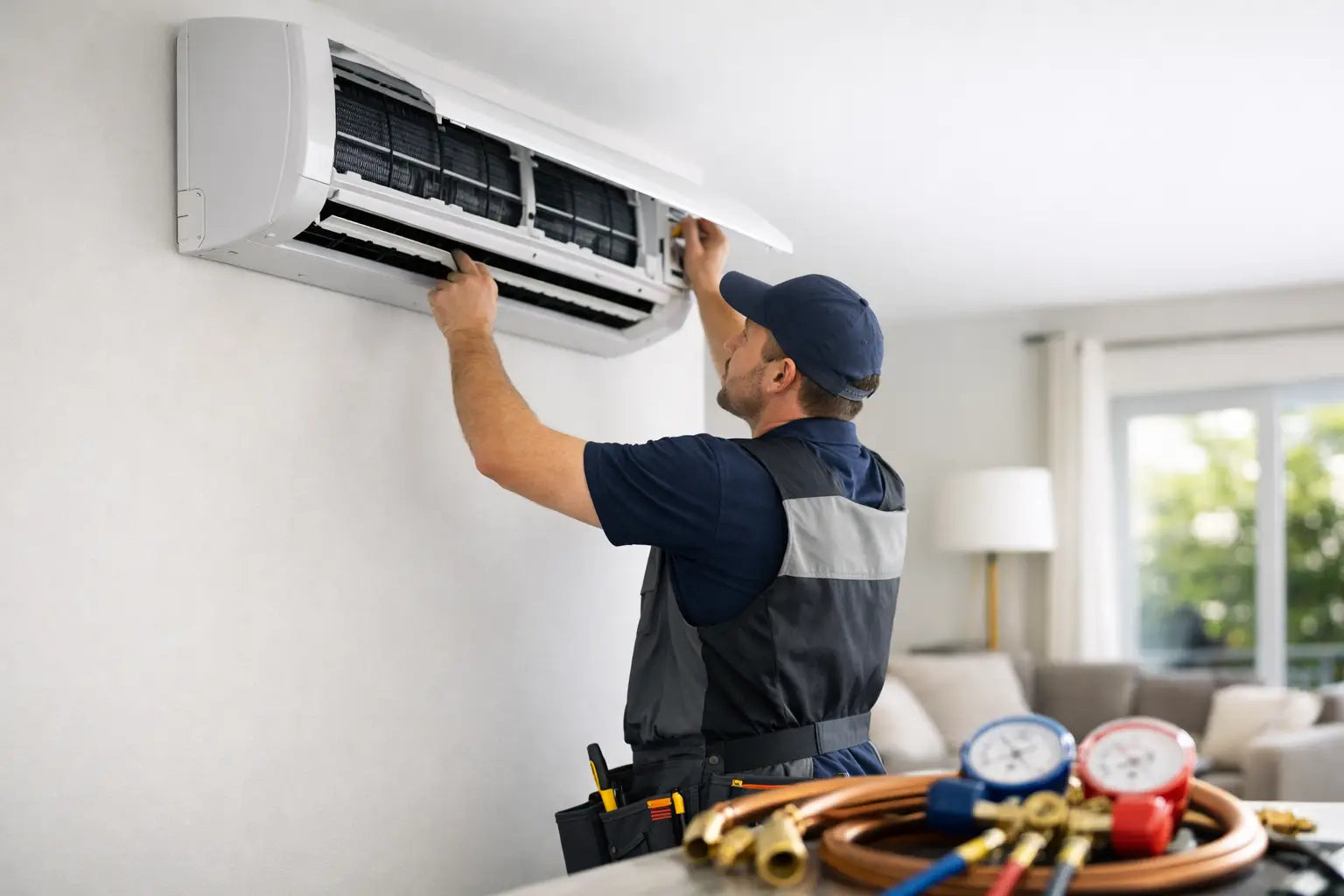
Filters are the obvious example. When they are clogged, airflow drops and the evaporator coil gets colder than intended. That can lead to icing, poor cooling, and extra load on the fan motor and compressor. But servicing is not just about washing filters. It should also include checking the evaporator coil, condenser condition, drainage, fan performance, refrigerant pressure, and general system cleanliness.
For residential systems, the right frequency depends on usage. A lightly used bedroom unit may need less attention than a living room unit running every day. In commercial settings, the schedule is usually tighter because the cooling demand is higher and downtime is costlier. Offices may need regular planned servicing, while retail and food businesses often need more frequent checks because of heat load, dust, or grease in the environment.
If your goal is how to reduce aircon breakdowns over the long term, maintenance plans usually make more sense than ad hoc servicing. They create consistency. Small issues get spotted before they become expensive ones.
Watch the early warning signs
Aircon systems almost always give signals before they fail completely. The problem is that many users wait until cooling is gone before calling for help. By then, the repair may involve more parts, more labor, and more disruption.
Weak airflow is one of the earliest signs. It may mean dirty filters, a blocked coil, a blower issue, or ducting problems in certain setups. Water leakage often points to drainage blockage, frozen coils, or installation faults. Clicking, rattling, or buzzing noises can suggest fan problems, loose parts, electrical stress, or compressor trouble.
Bad smells should not be ignored either. A musty odor can indicate microbial buildup in the indoor unit or drain tray. A burnt smell may point to electrical issues and needs prompt attention. Systems that trip the breaker, struggle to reach the set temperature, or turn on and off too often also deserve inspection. Quick response at this stage can prevent full failure.
Clean surroundings help more than people think
Not every breakdown is caused by the indoor unit itself. Outdoor condenser units also need a suitable environment to reject heat properly. When airflow around the condenser is blocked by clutter, plant growth, stored items, or poor placement, heat exchange suffers. The compressor then works under higher stress, especially on hotter days.
For homeowners, this can be as simple as avoiding stacked objects around the condenser and making sure the area stays reasonably clean. For commercial sites, especially those with service yards or tighter mechanical spaces, regular checks are even more important. Dust, debris, and grease-heavy environments can reduce efficiency fast.
Indoor conditions also play a role. If a room is badly sealed, gets heavy direct sun, or has frequent door opening, the system runs longer and harder. That does not mean the aircon is faulty, but it does increase wear. Sometimes reducing breakdowns is partly about reducing unnecessary load.
Right sizing and system design matter
An undersized system runs too long trying to meet demand. An oversized system may cool quickly but cycle too often, which can also create wear. Either way, poor sizing affects comfort and reliability.
This is particularly relevant during replacement projects. Some owners simply match the old unit capacity without checking whether room usage has changed. A spare bedroom may now be a home office. A retail unit may have added more equipment or lighting. An F&B space may have changing heat loads throughout the day. Aircon reliability improves when the system is selected for the actual load, not just the old invoice.
Design details matter too. Pipe run length, unit placement, accessibility for servicing, and electrical support all affect future performance. A properly planned installation is easier to maintain and less likely to develop hidden faults.
Don’t ignore refrigerant and electrical health
Low refrigerant is not something that should happen repeatedly in a sealed system. If cooling drops because of refrigerant loss, there is usually a leak that needs proper diagnosis and repair. Topping up gas without addressing the root cause may restore cooling for a while, but it does not reduce breakdown risk. It often delays a bigger problem.
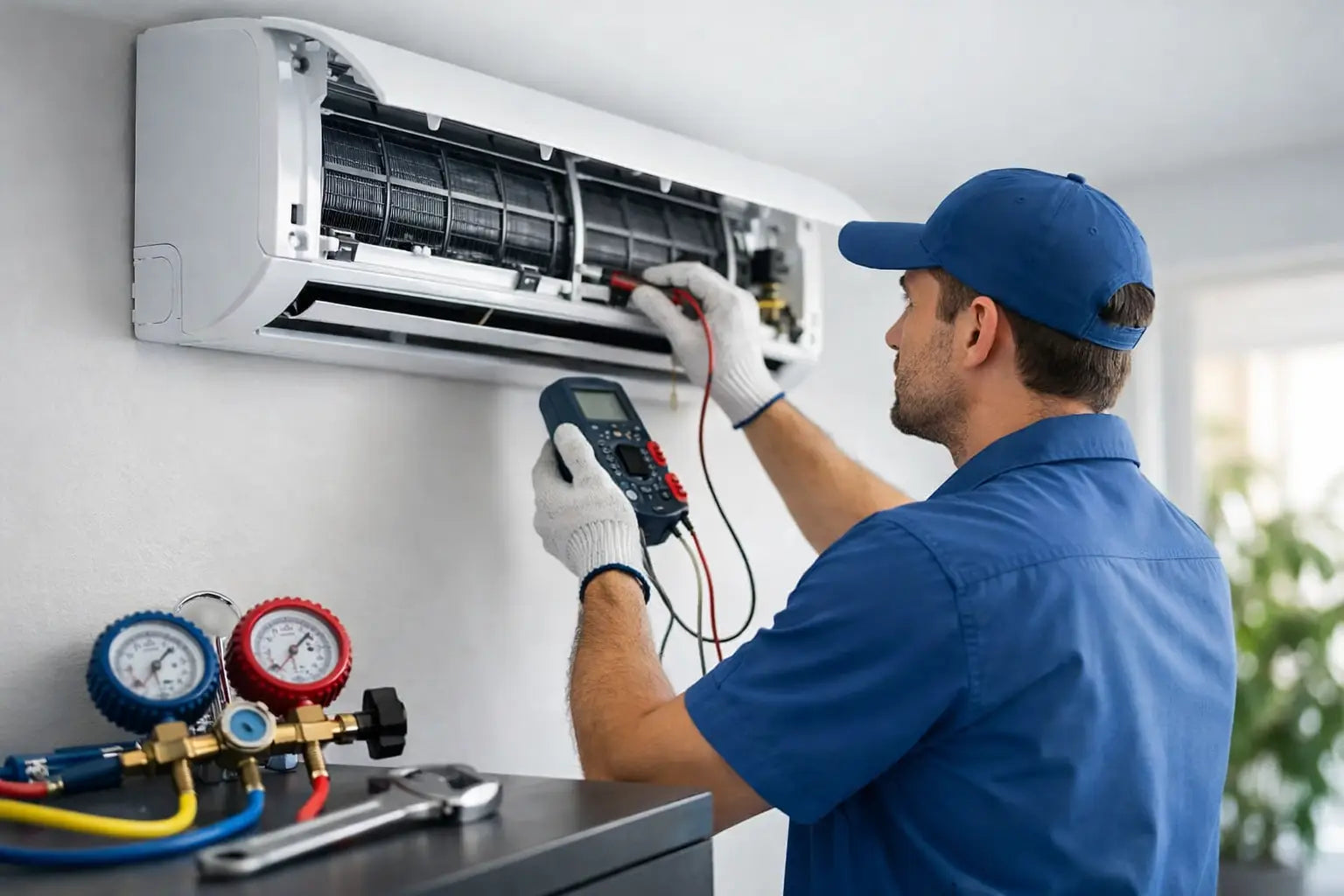
Electrical health is just as important. Loose wiring, poor termination, unstable power supply, and aging capacitors can all lead to intermittent faults and sudden shutdowns. These issues are especially relevant for older systems and heavily used commercial units. Good technicians do not just restore operation. They look at why the fault happened and whether other components are being affected.
Why workmanship is the best form of prevention
There is a reason some systems last well with fewer issues while others become a cycle of leak, repair, and frustration. A big part of that difference is workmanship. Premium materials, careful installation practices, proper commissioning, and clear service records create a stronger foundation for long-term reliability.
That is where specialist providers stand apart from general contractors or price-first installers. Better insulation, thicker copper piping where appropriate, properly managed installation teams, and thorough post-installation checks are not cosmetic upgrades. They reduce the conditions that commonly lead to early breakdowns.
For customers comparing options, this is the trade-off to think about. A lower upfront price can be attractive, but if it comes with weaker materials or inconsistent workmanship, the maintenance and repair cost later may be much higher. Reliable cooling is built before the first service visit.
A practical way to reduce aircon breakdowns
If you want the most practical answer to how to reduce aircon breakdowns, keep it simple. Start with correct system sizing and quality installation. Service the units at sensible intervals based on real usage. Pay attention to performance changes early. Keep the indoor and outdoor environment clean and accessible. And when repairs are needed, fix root causes instead of choosing temporary relief.
For many homes and businesses, the goal is not to avoid every fault forever. Mechanical systems wear over time. The real goal is fewer surprises, longer equipment life, and less disruption when demand is highest. That is exactly why workmanship, maintenance discipline, and responsive support matter so much.
A dependable aircon system is not just about cooling the room today. It is about knowing the system was planned properly, installed carefully, and looked after before small issues had the chance to become major ones.