System 3 vs System 4: Which Should You Buy?
Choosing between system 3 vs system 4 usually sounds simple until you start matching bedrooms, living areas, budget, and installation limits. This is where many homeowners get stuck. On paper, the difference looks like just one extra indoor unit. In practice, it affects how comfortably your home cools, how much flexibility you have, and whether the setup still makes sense a few years from now.
For most households, the question is not which option is "better" in general. It is which one fits your layout, usage pattern, and long-term plans without overspending or underplanning. A properly chosen air-conditioning system should feel straightforward to live with, not like a compromise you keep noticing every night.
System 3 vs system 4: what is the actual difference?
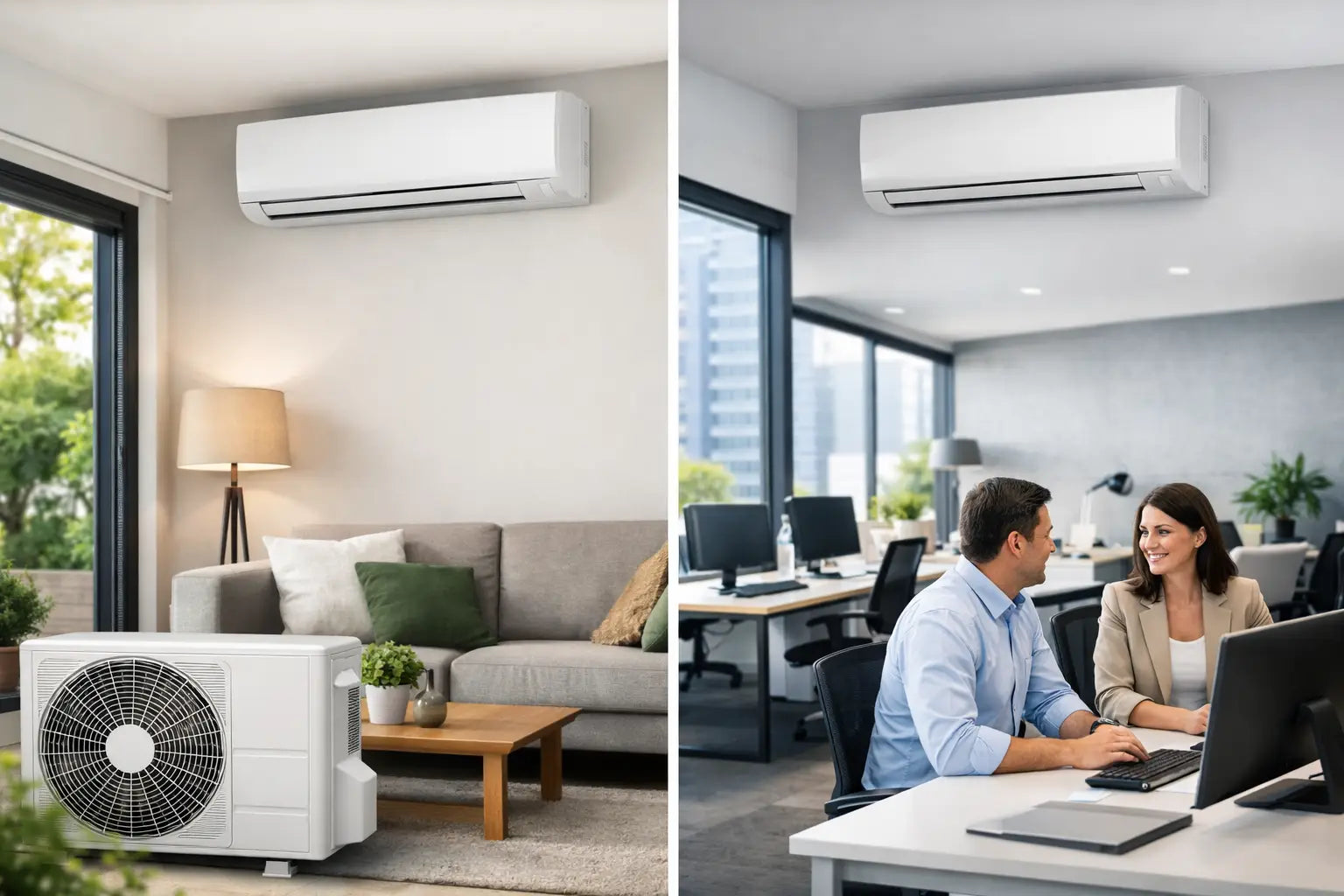
At the simplest level, a system 3 setup usually means three indoor fan coil units connected to one outdoor condenser. A system 4 setup usually means four indoor units connected to one outdoor condenser. In many homes, system 3 is commonly used for three bedrooms, while system 4 is often selected for three bedrooms plus a living room.
That sounds easy enough, but the real decision goes beyond unit count. You also need to look at room size, how often each area is used, whether the living room needs regular cooling, and how the piping route will affect installation neatness and cost.
If your household mostly cools bedrooms at night and rarely uses air-conditioning in the living area, a system 3 may be more practical. If the living room is part of daily life, or if more family members work from home, a system 4 often gives better day-to-day comfort.
When a system 3 makes more sense
A system 3 is often the right fit for compact apartments, smaller families, or owners who want efficient bedroom cooling without paying for an extra indoor unit they may barely use. In many three-bedroom homes, especially when the living area is naturally ventilated or only occasionally cooled, this setup covers the essentials without unnecessary complexity.
There is also a cost advantage. In general, system 3 packages are more affordable than system 4 packages because you are buying fewer indoor units and typically dealing with a slightly simpler installation scope. That said, lower upfront cost only helps if the system still matches your lifestyle. A cheaper setup becomes expensive in another way if you later regret not cooling a major shared space.
System 3 can also work well for households with predictable routines. If everyone mainly uses the bedrooms at night, and the living room does not need cooling throughout the day, the system is often enough. This is especially true for buyers trying to balance comfort and budget carefully.
When a system 4 is worth the extra investment
A system 4 tends to suit households that want fuller coverage across the home. The most common reason is simple: people use the living room a lot. If your family gathers there nightly, if children study there, or if someone works from home during the day, cooling only the bedrooms may feel limiting very quickly.
This is where a system 4 earns its value. You gain an extra indoor unit, which usually means one more usable air-conditioned zone. That added flexibility matters more than many buyers expect. Instead of forcing everyone into one cooled room, you can cool spaces based on actual use.
For some homeowners, a system 4 is also the more future-proof choice. A spare room may later become a nursery, study, or guest room. A home that feels adequate today may need more cooling coverage later. If you already know your usage is likely to grow, choosing system 4 from the start can save inconvenience and rework.
Cost is not just about the purchase price
The most obvious difference in system 3 vs system 4 is price, but smart buyers look beyond the sticker amount. You should consider the full picture: equipment cost, installation materials, workmanship quality, electrical load, servicing access, and long-term operating habits.
A system 4 usually costs more upfront. There is an additional indoor unit, and installation may involve more piping, trunking, drainage routing, and labor. But it does not automatically mean wasteful spending. If the extra unit prevents overuse of a single room or gives your family better comfort where it matters, the value can be very real.
At the same time, buying a bigger setup than you actually need is not ideal either. If one indoor unit sits unused most of the year, the added cost may not deliver much return. This is why honest planning matters more than upselling. The best setup is the one you will genuinely use.
Layout matters more than many people realize
Not all homes with the same number of rooms should use the same configuration. Two three-bedroom homes can have very different cooling needs depending on layout, window exposure, ceiling height, and sun load.
For example, a compact apartment with shaded windows may cool efficiently with a system 3 if the living room stays comfortable with fans. A larger unit with strong afternoon sun may benefit from a system 4 because the common area heats up faster and stays warm longer.
Open-concept layouts also change the equation. A living and dining space that forms one large open area may need dedicated cooling if it is regularly occupied. On the other hand, if the common area is more transitional and family members spend most of their time in separate bedrooms, the extra indoor unit may be less necessary.
This is why proper site assessment is worth more than guesswork. A reliable installer should evaluate room use, not just count doors and recommend the biggest package.
Installation quality affects performance either way
Whether you choose system 3 or system 4, the installation standard has a major impact on reliability. A good air-conditioning brand can still underperform if the workmanship is poor. Problems such as refrigerant leaks, weak drainage, messy trunking, bad insulation, and underspecified piping often come from installation shortcuts, not from the aircon itself.
That is especially important when comparing quotes. A cheaper package may leave out material quality details that directly affect durability. Copper pipe thickness, insulation grade, electrical cable quality, drainage planning, and neat piping routes all influence how the system performs over time.
For homeowners and business buyers alike, this is where a workmanship-focused contractor stands out. Commercestar Engineering has built its reputation around exactly this point: better materials, clear installation scope, and in-house execution that reduces the inconsistency that often comes with loosely managed subcontract work.
Brand and capacity selection still matter
One common mistake is assuming that any system 3 or any system 4 will perform the same. They do not. Different brands offer different indoor unit capacities, condenser performance, energy efficiency, and design suitability.
That means the decision should not stop at system count. You also need the right capacity mix for your rooms. A larger master bedroom may need a different fan coil capacity than a small common room. The living area may also require more cooling power than buyers first assume, especially in warmer climates or sun-exposed units.
A properly planned setup balances quantity and sizing. Too little capacity leads to slower cooling and more strain. Too much can be inefficient and uncomfortable. This is why a technical recommendation should be based on room dimensions and use, not just a standard package list.
So, which one should you choose?
If your goal is simple, cost-conscious bedroom cooling, a system 3 often makes excellent sense. It is practical, common, and sufficient for many households. If your living room is used heavily, if your home runs on air-conditioning throughout the day, or if you want broader coverage and flexibility, a system 4 is often the smarter buy.
The best answer depends on how you actually live in the space. Not how you imagine using it for one week, but how your routine works over months and years. That is the difference between a purchase that feels efficient and one that feels limiting.
When comparing system 3 vs system 4, do not let the decision be driven by unit count alone. Think about coverage, comfort, future use, and installation quality together. A well-matched system should give you quiet confidence every day - not second thoughts after installation.
If you are unsure, the right next step is not guessing. It is getting a proper recommendation based on your floor plan, room usage, and installation conditions. That is usually where the clearest answer appears.