System 5 Aircon Singapore: Is It Right?
When a homeowner asks about a system 5 aircon Singapore setup, the real question usually is not whether five indoor units can be installed. It is whether the layout, usage pattern, and installation quality will actually make sense for the property over the next five to ten years. That is where many buying decisions go wrong. People compare model numbers and promo prices, but overlook piping design, insulation quality, outdoor unit sizing, and how the rooms will be used day to day.
A system 5 arrangement can be an excellent fit in Singapore, especially for larger HDB flats, maisonettes, executive apartments, and some condos where multiple bedrooms and a living area need cooling. But it is not automatically the best answer just because there are five rooms on the floor plan. The right choice depends on how often those rooms are occupied, whether simultaneous use is likely, and how much you value efficiency, flexibility, and neat installation.
What a system 5 aircon Singapore setup actually means
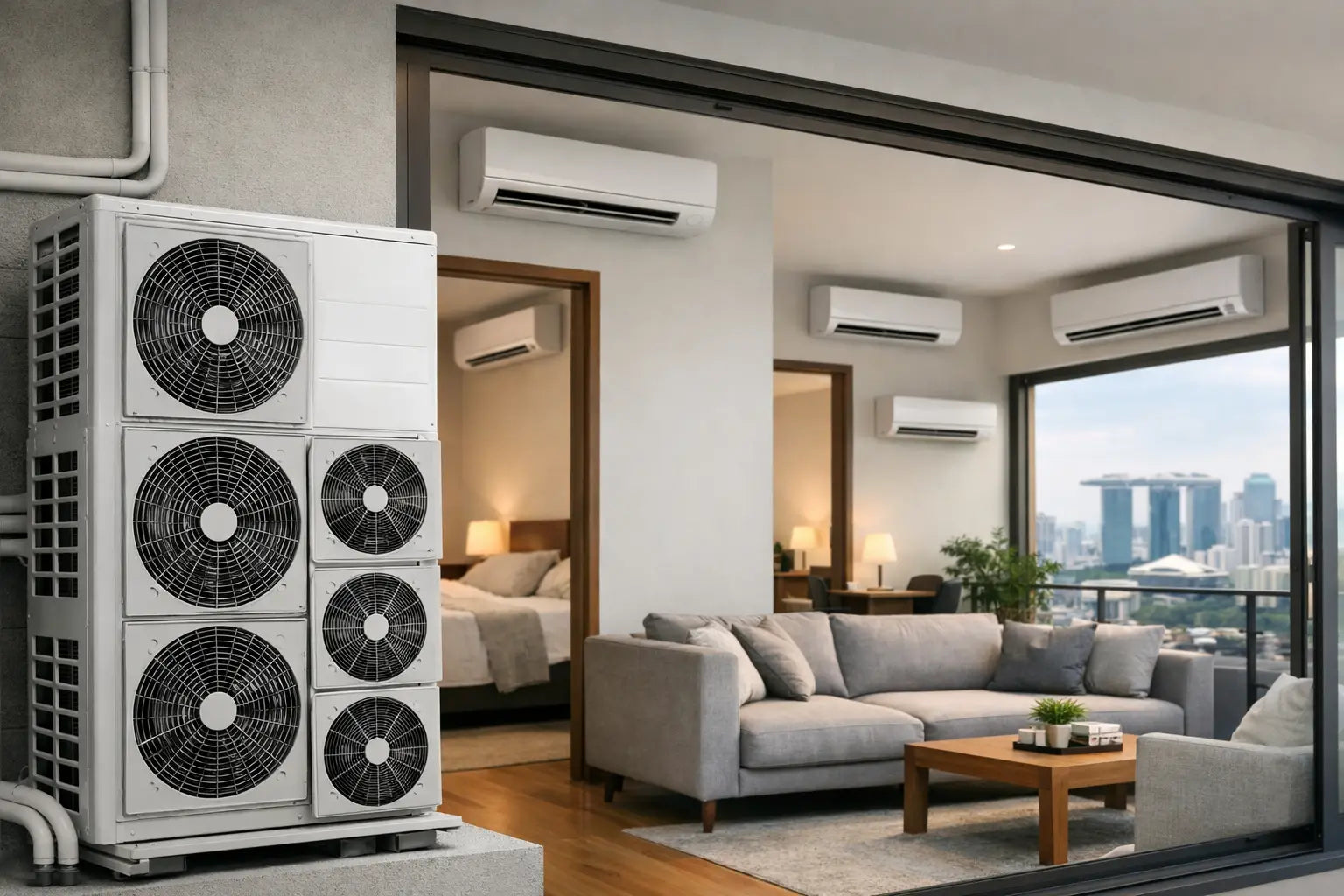
In simple terms, a system 5 aircon typically refers to one outdoor condenser connected to five indoor fan coil units. Those five indoor units can be distributed across bedrooms, a study, and a living or dining area, depending on the property layout. For homeowners, the appeal is obvious. You get centralized planning with multiple cooling points, and you avoid having several separate outdoor units taking up space.
That said, the term can be misleading if treated too casually. Not every five-room cooling requirement should be handled by one condenser. Some homes are better served by a combination such as a system 3 plus system 2, or a larger multi-split strategy designed around actual usage. If the whole family only runs three rooms at night and the living room in the evening, one approach may work very well. If five spaces are used heavily at the same time every day, the load calculation needs more attention.
Where system 5 makes sense in Singapore homes
A system 5 setup is often considered when a household wants air-conditioning in four bedrooms plus one common area. That is a common scenario in larger homes where family members want individual control. It can also suit owners who want to future-proof a spare room, nursery, or home office rather than install later and disrupt the house twice.
The strongest case for system 5 is when the property genuinely needs broad coverage but still benefits from one coordinated installation plan. This can keep the exterior cleaner, reduce planning complexity, and make the overall setup feel more integrated. In condos, this may also help when outdoor placement options are limited.
Still, more capacity is not always better. Oversizing or forcing an unsuitable configuration can create unnecessary cost upfront. It may also affect operating behavior if homeowners start avoiding certain units because they worry about power use. A properly planned system should match how the home is actually lived in, not just what looks complete on paper.
The trade-off between convenience and flexibility
The main advantage of a system 5 aircon Singapore purchase is convenience. One outdoor unit, five indoor units, one coordinated installation. For many households, that is a tidy and practical solution.
The trade-off is flexibility. With a single condenser supporting more indoor units, your planning has to be more precise. If your household has uneven usage patterns, there are cases where splitting the load across two systems can make maintenance planning easier and provide some operational backup. If one condenser has issues, a dual-system layout may leave part of the home still cooled.
This is why good consultation matters. A trustworthy installer should not push a system 5 simply because it sounds bigger or more complete. They should ask how many people live in the home, which rooms are used at night, whether the study is occupied daily, and how often the living room runs for long hours. Those details shape the correct recommendation.
Why installation quality matters more than most buyers expect
On paper, many aircon systems can look similar. In real homes, the difference often shows up in the installation. This is where long-term value is won or lost.
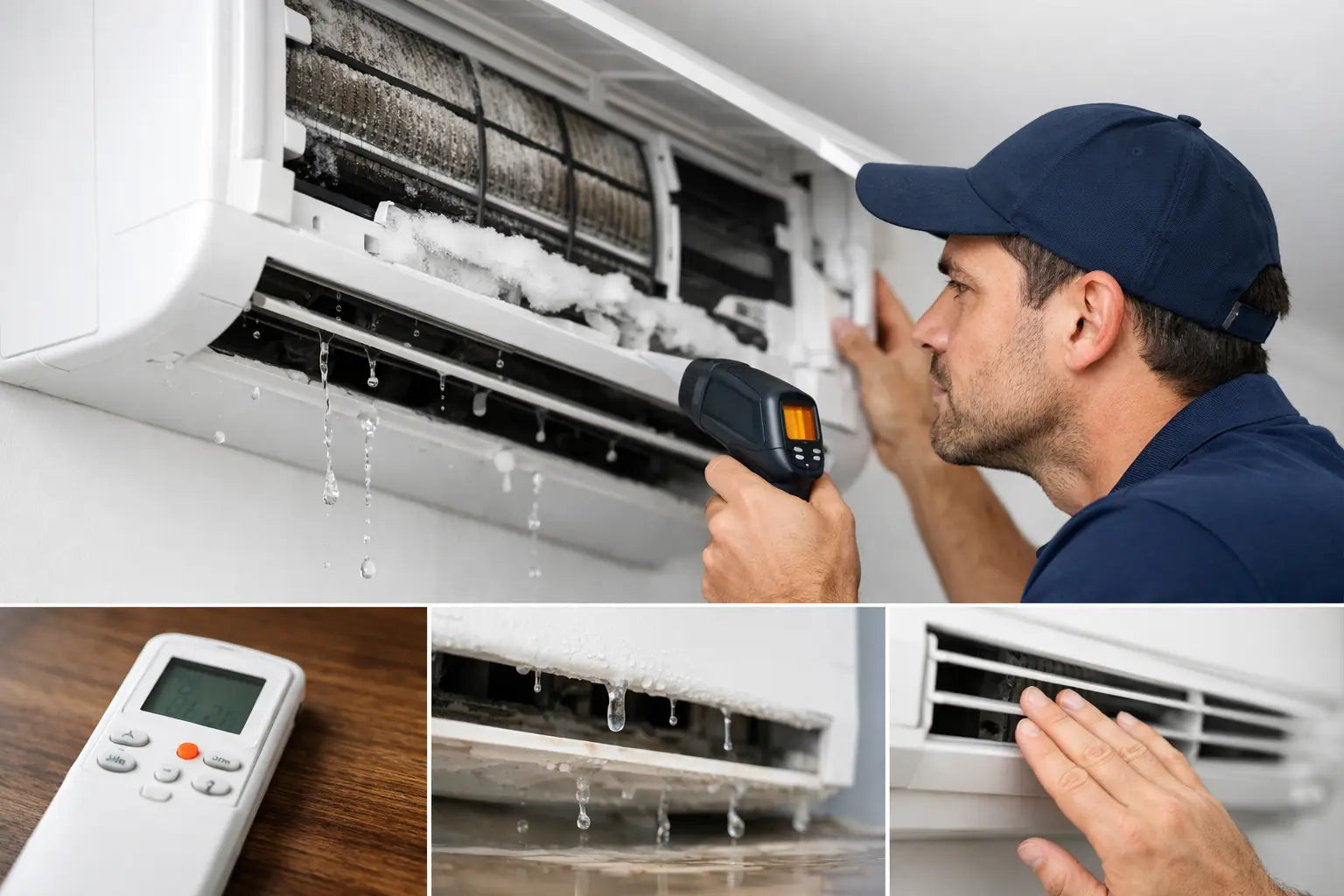
Poor workmanship can lead to water leaks, weak cooling performance, messy trunking, gas loss, vibration noise, or difficult servicing later. A low headline price may hide compromises in piping thickness, insulation quality, cable standards, or routing discipline. For a larger multi-unit setup, those shortcuts become even more costly because more rooms are affected if something goes wrong.
That is why material specifications should not be treated as small print. Better insulation helps reduce condensation issues and supports thermal efficiency. Thicker copper piping improves durability. Proper drainage fall and neat routing reduce the chance of callbacks and ceiling or wall damage. Singapore homeowners usually notice these issues only after handover, when fixing them is far more disruptive.
A workmanship-focused company will explain what goes behind the walls, not just what hangs on them. That matters for any installation, but especially for a five-unit setup where the piping network is more extensive and the planning margin is smaller.
How to evaluate the right system 5 aircon Singapore option
Start with room sizing and usage, not brand preference alone. Brand matters, of course, and major names like Mitsubishi Starmex, Daikin, Panasonic, Mitsubishi Heavy Industries, and others are popular for good reason. But even a respected brand can underperform if the configuration is wrong or the installation is careless.
Look at the bedrooms first. Small common rooms may not need the same fan coil capacity as the master bedroom. Then consider the living area. Open-plan spaces usually have different cooling demands because of sun exposure, glass, and airflow patterns. If the living room is used heavily on weekends but lightly on weekdays, that affects how the system should be balanced.
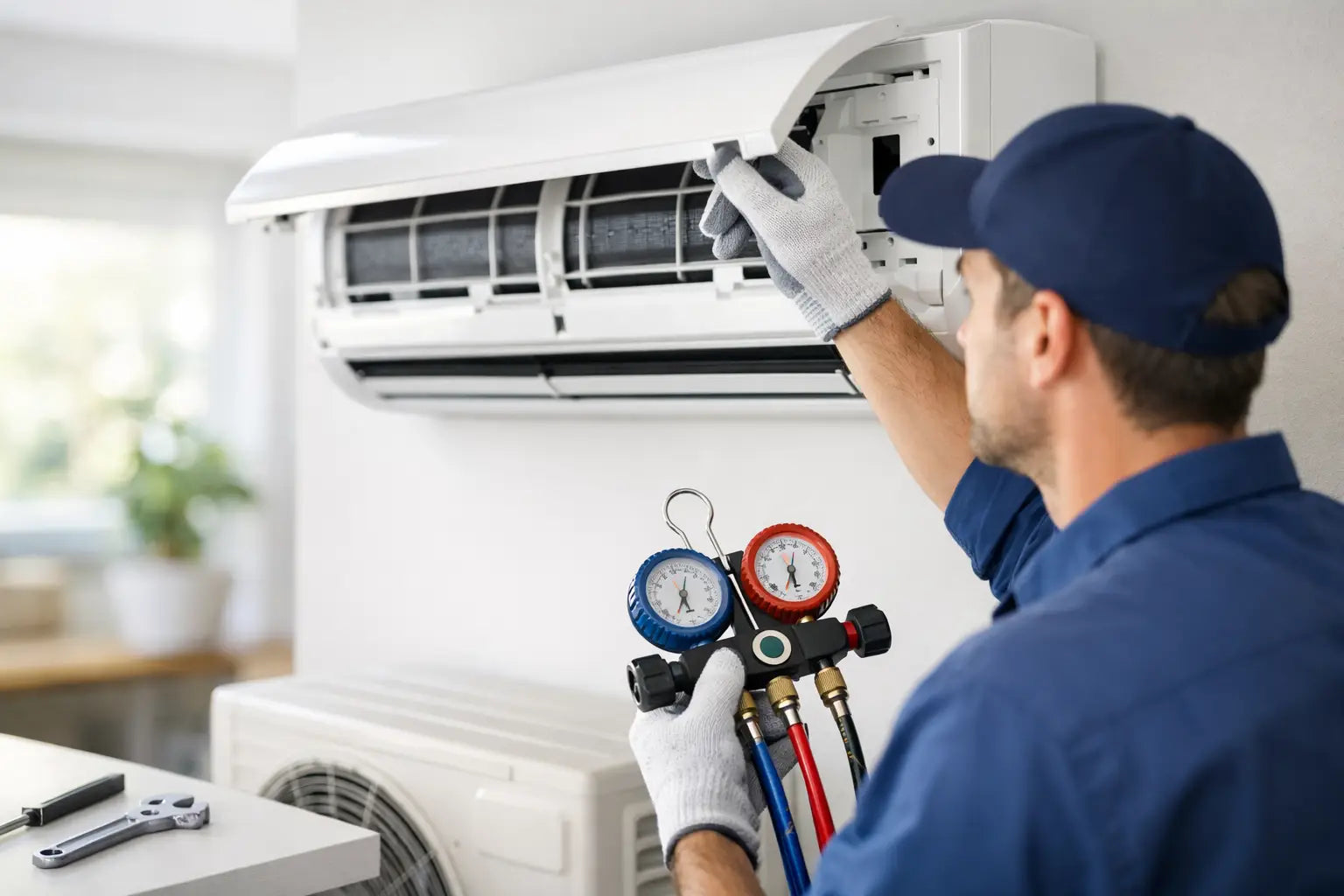
Next, ask about piping materials, insulation grade, cable quality, drainage design, and installation team structure. An in-house team generally gives better accountability than loosely coordinated subcontract arrangements. When one company handles planning, installation, testing, and after-sales support in a structured way, there is less finger-pointing if issues arise later.
You should also ask how the installer handles finishing work. Box-up works, trunking neatness, and routing decisions affect both appearance and service access. A system 5 installation touches more points across the home, so neat execution is not cosmetic. It is part of doing the job properly.
Cost matters, but value matters more
Price is always part of the decision, and it should be. A system 5 setup is a significant home investment. But the cheapest package is rarely the most economical once you factor in lifespan, performance stability, and serviceability.
A better question than What is the cheapest system 5 is What am I paying for. Are you getting premium-grade insulation or a basic substitute? Is the copper piping specification clearly stated? Is there a real after-sales structure, or just a promise to call someone if there is a problem? Are the installation details transparent, or are they vague until work starts?
For homeowners who plan to stay in the property for years, these details matter more than a short-term discount. A clean, well-designed installation can save frustration, protect renovation finishes, and support more consistent performance over time. That is why many buyers choose a contractor with visible technical standards and strong review-backed credibility rather than chasing the lowest entry price.
After-sales support is part of the purchase
A system 5 installation is not finished the day the units start running. Ongoing servicing, maintenance planning, and responsive support matter just as much. Multi-unit systems need regular care to maintain airflow, cooling efficiency, and drainage performance.
For busy households and businesses, this is where a specialist stands out. You want a provider that can service what it installs, keep records, and respond clearly when something needs attention. That continuity is worth real money because it reduces downtime and guesswork.
Commercestar Engineering positions itself strongly in this area by pairing premium installation standards with managed after-sales support, which is exactly what larger home aircon setups need.
The smartest way to choose
If you are considering a system 5 aircon Singapore solution, resist the urge to shop by brochure alone. The right decision comes from matching the property layout, cooling habits, and installation quality to one practical plan.
A good installer will not just sell you five indoor units. They will help you avoid overbuilding, underplanning, and paying later for hidden compromises. When the recommendation is right and the workmanship is done properly, a system 5 setup can feel simple, quiet, and dependable for years. That is the kind of aircon decision that stays out of your way after installation, which is exactly what most homeowners want.