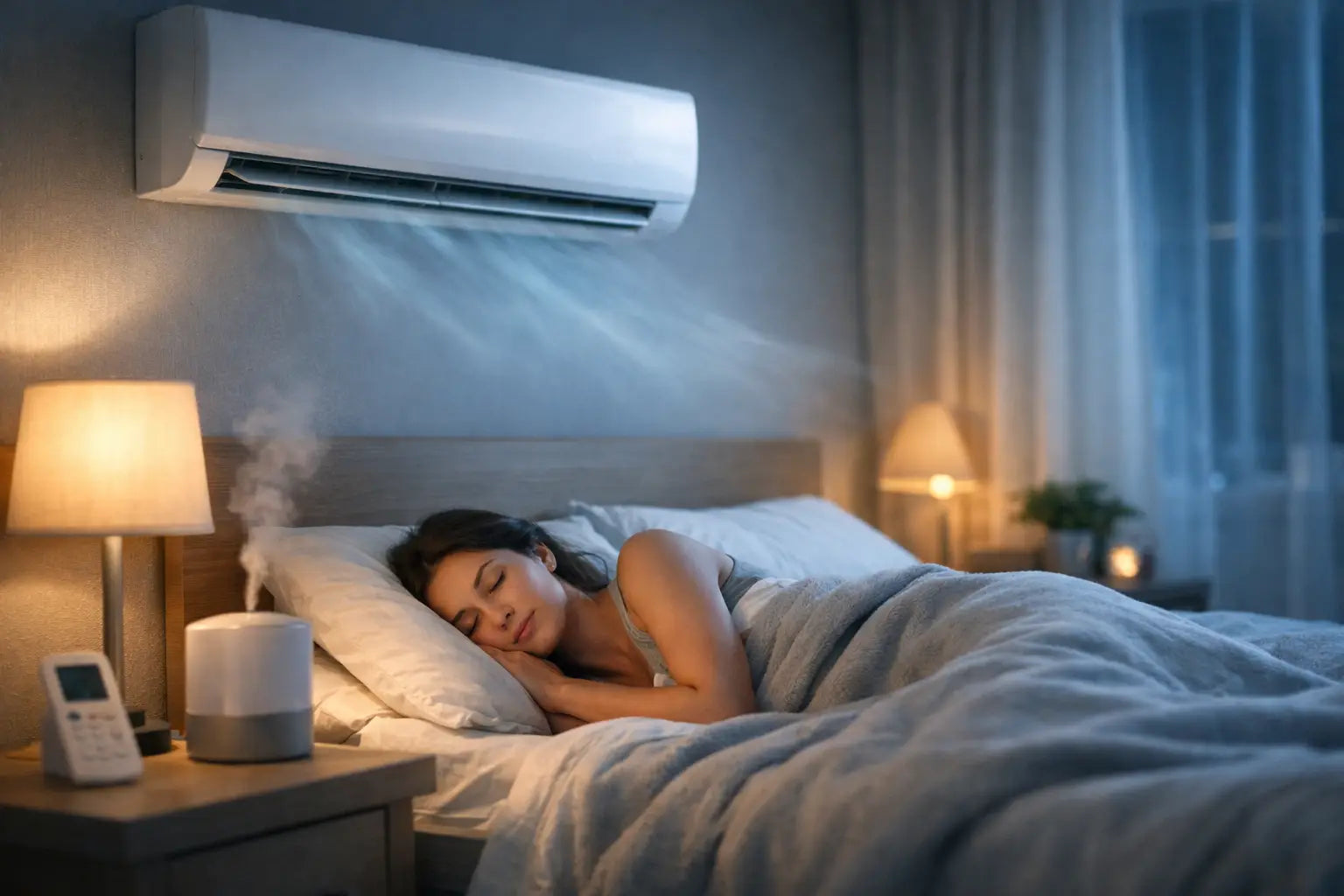
Article: Aircon Chemical Wash Versus Overhaul: Which Fits?
Aircon Chemical Wash Versus Overhaul: Which Fits?
A wall-mounted air conditioner that suddenly drips water, smells musty, or blows weak air does not automatically need the most expensive cleaning service. The right choice depends on where the fault is, how much contamination has built up, and whether key parts can still be cleaned effectively in place. When comparing aircon chemical wash versus overhaul, the practical question is not which sounds more thorough. It is which procedure solves the actual condition of your unit without unnecessary cost or disruption.
For Singapore homes and businesses that depend on air conditioning daily, that distinction matters. A chemical wash can restore a moderately dirty fan coil efficiently. An overhaul is a deeper intervention for serious buildup, recurring drainage trouble, or a unit that needs to be dismantled for proper access. A professional assessment should come before either recommendation.
What an Aircon Chemical Wash Does
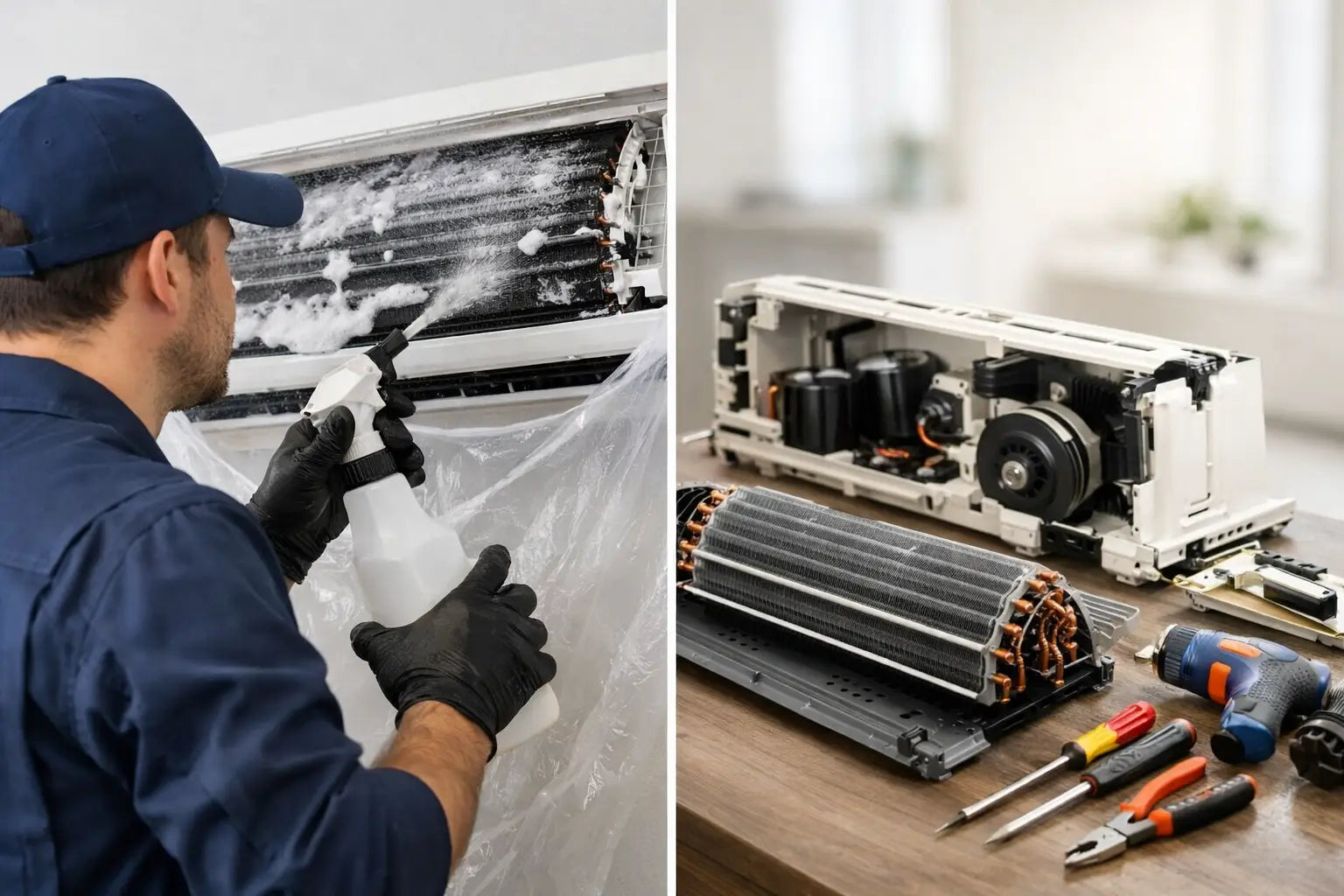
An aircon chemical wash is a deep-cleaning service performed with the indoor fan coil unit largely installed. The technician protects the surrounding area, opens the unit, applies an appropriate cleaning solution to accessible components, and flushes away accumulated dirt, slime, and residue.
The evaporator coil, filters, drain pan, and drainage line are typical focus areas. Depending on the system condition and service scope, the blower wheel and other accessible sections may also be cleaned. The aim is to remove contamination that ordinary servicing cannot reach, while avoiding a full dismantling of the fan coil unit.
This service is often suitable when the unit still operates normally but shows clear signs of internal dirt. Cooling may have become less effective, water may be draining slowly, or an unpleasant odor may appear when the unit starts. In many cases, the issue is a dirty coil or drain system rather than a failed part.
A chemical wash is less invasive than an overhaul, so it usually takes less time and creates less disruption in an occupied home, office, retail shop, or restaurant. It can be a sensible value option when the air conditioner is not severely neglected and there is no need to remove major components for cleaning or repair.
What an Aircon Overhaul Involves
An aircon overhaul is a more comprehensive restoration service. The technician dismantles the indoor fan coil unit to clean components that cannot be properly reached while the unit remains assembled. This commonly includes removing the fan coil assembly, blower wheel, drain pan, and related parts before cleaning them thoroughly and reinstalling the unit.
Because the unit is taken apart, an overhaul provides better access to stubborn buildup behind the coil, inside the blower wheel, and around the drainage system. These are areas where thick dust, mold-like residue, grease, or biological slime can restrict airflow and contribute to recurring water leaks.
The process is more labor-intensive and requires careful reassembly. Fasteners, wiring connections, insulation, drainage alignment, and condensate flow all need to be checked before the system is tested. This is why workmanship matters. A deep cleaning service should not create a new issue through loose fittings, poor drainage reconnection, or careless handling of internal components.
An overhaul is commonly recommended when a unit has not been maintained for a long period, has persistent drainage problems after previous cleaning, or has severe airflow loss caused by heavy dirt on the blower and coil. It may also be appropriate where the fan coil needs to be opened for inspection of a suspected internal fault.
Aircon Chemical Wash Versus Overhaul: The Real Differences
The main difference is access. A chemical wash cleans significant parts of the system in place. An overhaul involves dismantling the fan coil unit so that concealed surfaces and components can be cleaned individually.
That extra access makes an overhaul more suitable for severe contamination, but it does not mean every dirty air conditioner needs one. Recommending a full overhaul for a unit with manageable coil dirt and a clear drain line can add cost without delivering proportionate benefit. On the other hand, repeatedly choosing a basic service for a badly clogged blower wheel or stubborn leak can lead to frustration and repeated call-outs.
Cost, downtime, and condition should all be considered. A chemical wash is generally the more efficient option for moderate buildup. An overhaul takes longer and is usually priced higher because dismantling, washing, drying, reassembly, and testing require more labor. For a business, scheduling may also matter. A retail or F&B operator may prefer service work during non-operating hours to minimize disruption.
Neither service is a substitute for diagnosis. Weak cooling can come from a dirty coil, but it can also result from low refrigerant due to a leak, a faulty capacitor, a failing fan motor, an electronic control issue, or an incorrectly sized system. Cleaning cannot repair a damaged compressor or stop refrigerant from escaping through a leaking pipe joint.
Signs a Chemical Wash May Be Enough
A chemical wash is often the right middle-ground service if your air conditioner cools but takes longer than usual, has a mild stale smell, or shows minor drainage symptoms. It can also help when routine servicing reveals dirt embedded in the coil or drain pan that normal cleaning cannot remove.
It is especially practical for units that receive regular maintenance but have experienced heavier use during hot periods. Bedrooms, living rooms, small offices, and meeting rooms can accumulate dust quickly, even when filters are cleaned occasionally. If inspection shows that the blower wheel and concealed sections are not heavily clogged, there may be no reason to dismantle the entire unit.
A qualified technician should still check condensate drainage, airflow, electrical connections, and cooling performance after the cleaning. The work is not complete simply because the coil looks cleaner.
When an Overhaul Is the Better Investment
An overhaul becomes more worthwhile when symptoms keep returning despite prior servicing or chemical cleaning. Water dripping from the indoor unit is a common example. A blocked drain line may be cleared easily, but recurring overflow can point to deep sludge in the drain pan, dirt behind the coil, poor drainage alignment, or a heavily contaminated blower assembly.
Consider an overhaul if you notice several serious signs at once: persistent water leaks, very weak airflow, strong odors, visible dirt blowing from the louvers, excessive operating noise, or a unit that has gone years without proper care. These symptoms do not guarantee that an overhaul is needed, but they justify a closer inspection.
Older units deserve additional judgment. Spending on a deep overhaul can make sense when the system is otherwise reliable and the issue is clearly caused by dirt. If an aging air conditioner also has repeated part failures, poor energy performance, refrigerant leaks, or corrosion, repair costs should be weighed against replacement. A responsible contractor will explain that trade-off clearly rather than treating every problem as a cleaning job.
Why Service Quality Matters as Much as Service Type
Chemical solutions must be used correctly. Too little cleaning may leave the underlying issue unresolved, while careless chemical use, insufficient rinsing, or poor protection of nearby electrical parts can cause damage. During an overhaul, correct reassembly is equally critical. The drain pan must sit properly, insulation must be restored neatly, and the unit must be tested for leaks and normal operation.
This is particularly relevant in apartments and commercial spaces where water damage can affect ceilings, walls, stock, or neighboring units. Proper site protection, tidy workmanship, and a post-service functional test are not optional extras. They are part of doing the job correctly.
At Commercestar Engineering, the focus is on recommending service based on the unit’s actual condition, then carrying out the work with clear scope and careful execution. Whether the solution is cleaning, repair, or replacement planning, customers should know what is being done and why.
Keep the Problem From Returning Too Soon
The best way to avoid frequent chemical washes or overhauls is consistent maintenance. Clean filters reduce dust loading on the coil. Regular servicing helps technicians spot slow drainage, deteriorating insulation, loose electrical connections, and early signs of reduced cooling before they become disruptive problems.
High-use systems may need more frequent attention than guest-room units. Offices, retail spaces, kitchens near F&B operations, and homes with pets can accumulate airborne dust and grease faster. Maintenance schedules should reflect actual usage and environment, not a one-size-fits-all calendar.
If your air conditioner is leaking, underperforming, or producing odors, ask for an inspection that identifies the cause before choosing the service. A well-timed chemical wash can be the efficient fix. When dirt has reached places that cannot be cleaned properly in place, an overhaul can restore the unit more completely. The right decision is the one that protects cooling performance, your property, and your long-term maintenance budget.