Aircon Repair vs Replacement: Make the Right Call
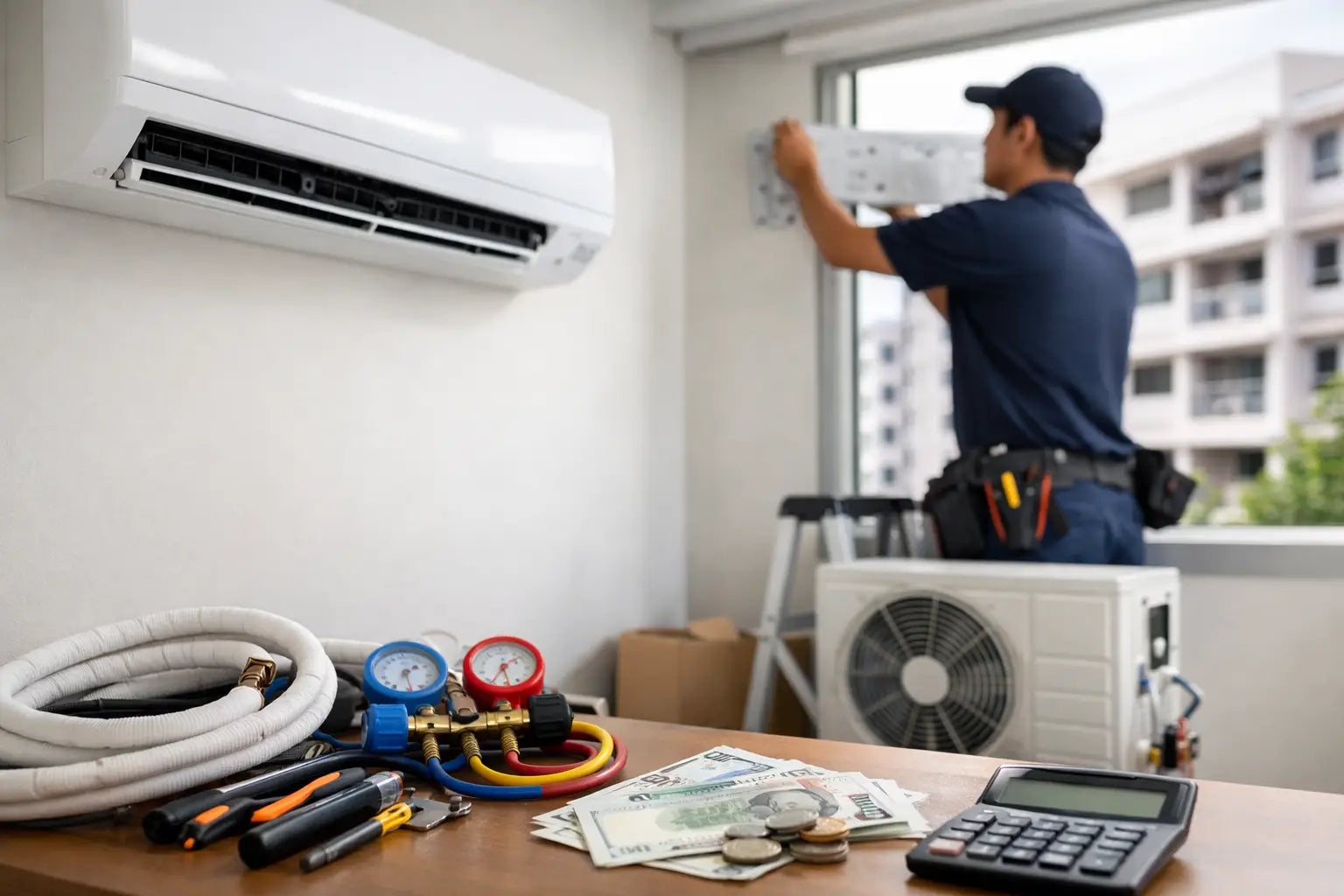
A leaking indoor unit on a humid afternoon is not the time to gamble on the cheapest fix. The aircon repair vs replacement decision affects your comfort, electricity use, property value, and the likelihood of another disruptive breakdown a few months from now. For homeowners and business operators, the right answer is rarely based on age alone. It comes down to the condition of the full system, the nature of the fault, and whether a repair will genuinely restore reliable performance.
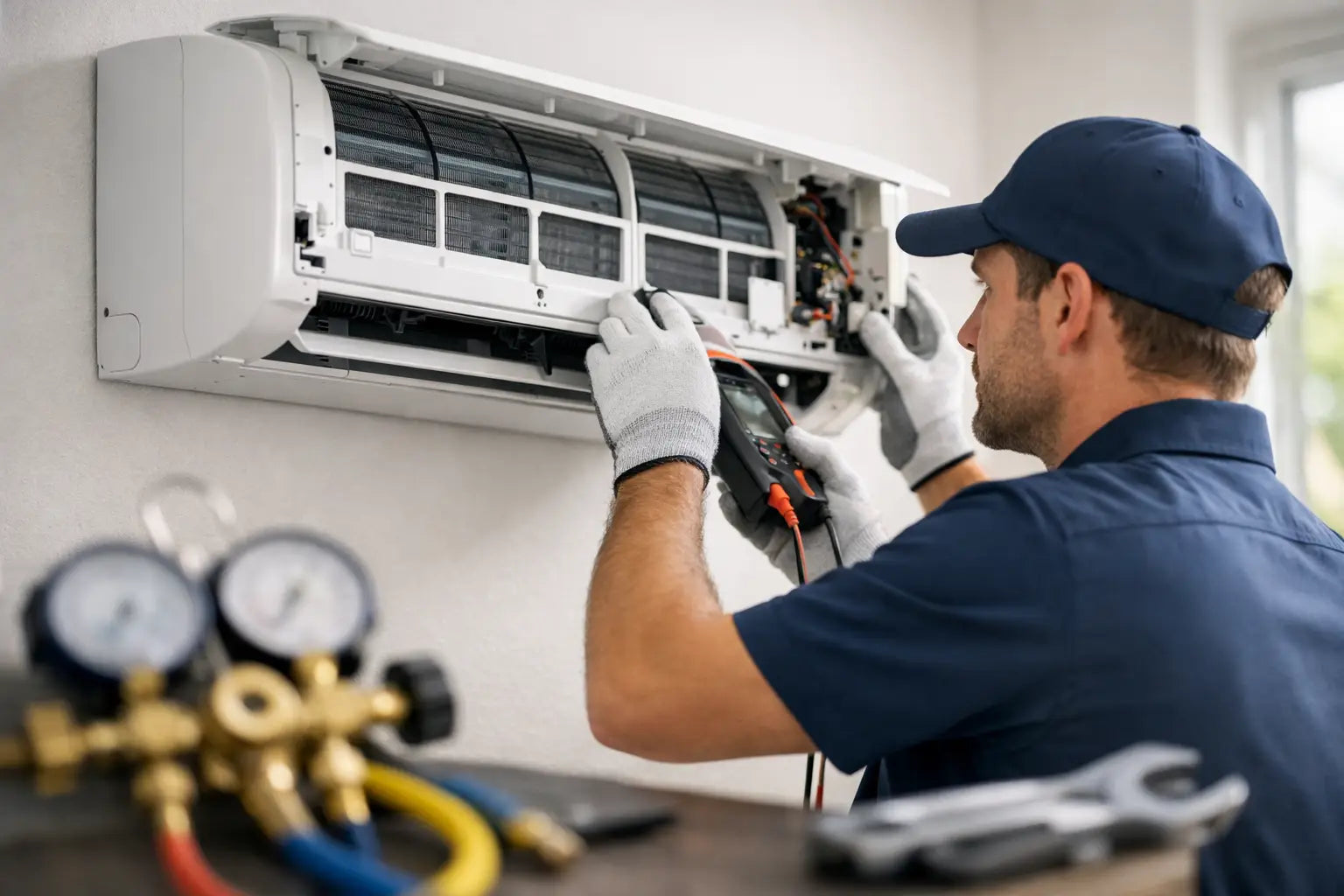
A professional assessment should look beyond the visible symptom. Weak cooling may be caused by a dirty fan coil, a drainage issue, low refrigerant, a faulty sensor, damaged piping, or an outdoor condenser that is working far harder than it should. Each situation calls for a different decision.
Start With the Cost of the Actual Fault
A repair is usually the sensible route when the problem is isolated and the rest of the system is in sound condition. A blocked drain line, worn capacitor, faulty fan motor, damaged control board, or small water leak can often be repaired without replacing the entire air-conditioning system. The key is confirming the root cause rather than repeatedly treating the symptom.
For example, topping up refrigerant may bring cool air back temporarily, but refrigerant does not simply get used up. If levels are low, there may be a leak in the piping, flare joints, coils, or valves. Without locating and rectifying that leak, repeated gas top-ups become an expensive cycle and may place additional strain on the compressor.
Ask for a clear explanation of the fault, the parts required, and what the repair is expected to achieve. Transparent pricing matters, but so does a technician's willingness to explain whether the repair is a lasting correction or a short-term measure.
When Aircon Repair vs Replacement Favors Repair
Repair generally makes financial sense when your system is relatively new, has been serviced regularly, and has not developed a pattern of major failures. If it still cools efficiently after the fault is addressed, and compatible replacement parts are readily available, there is little reason to replace a system prematurely.
This is especially true for a unit with one-off issues caused by normal wear, poor drainage, or deferred maintenance. In Singapore's hot, humid conditions, fan coils and drain lines work hard. Regular chemical cleaning when needed, proper drainage maintenance, and timely servicing can prevent minor issues from escalating into water damage, poor airflow, and compressor stress.
For commercial spaces, repair may also be the practical choice when downtime must be minimized. An office, retail unit, or restaurant cannot always accommodate a full system change immediately. A targeted repair can restore operations while allowing management to plan a replacement properly, rather than making a rushed purchase under pressure.
Signs Replacement May Offer Better Long-Term Value
Replacement becomes the stronger option when repair costs keep returning, cooling performance remains inconsistent, or the system is nearing the later stage of its expected service life. While a well-installed and well-maintained air-conditioning system can last many years, age matters because internal components, insulation, piping joints, and electrical connections all deteriorate over time.
A single costly repair does not automatically mean replacement is necessary. But if the compressor has failed, refrigerant leaks are recurring, or several major components are approaching failure, paying for another repair may only delay the inevitable. Consider the full cost of keeping the old system running over the next two to three years, not just the current invoice.
Replacement also deserves serious consideration when a system struggles to cool rooms evenly, runs for long periods without reaching the set temperature, or causes electricity bills to rise despite normal usage. Older units can lose efficiency gradually, making the decline easy to overlook until the difference becomes significant.
Other warning signs include frequent circuit trips, loud outdoor-unit noise, persistent odors after cleaning, heavy corrosion, and replacement parts that are discontinued or difficult to source. These do not always require immediate replacement, but they should prompt an honest discussion about risk and remaining useful life.
Installation Quality Is Part of the Replacement Decision
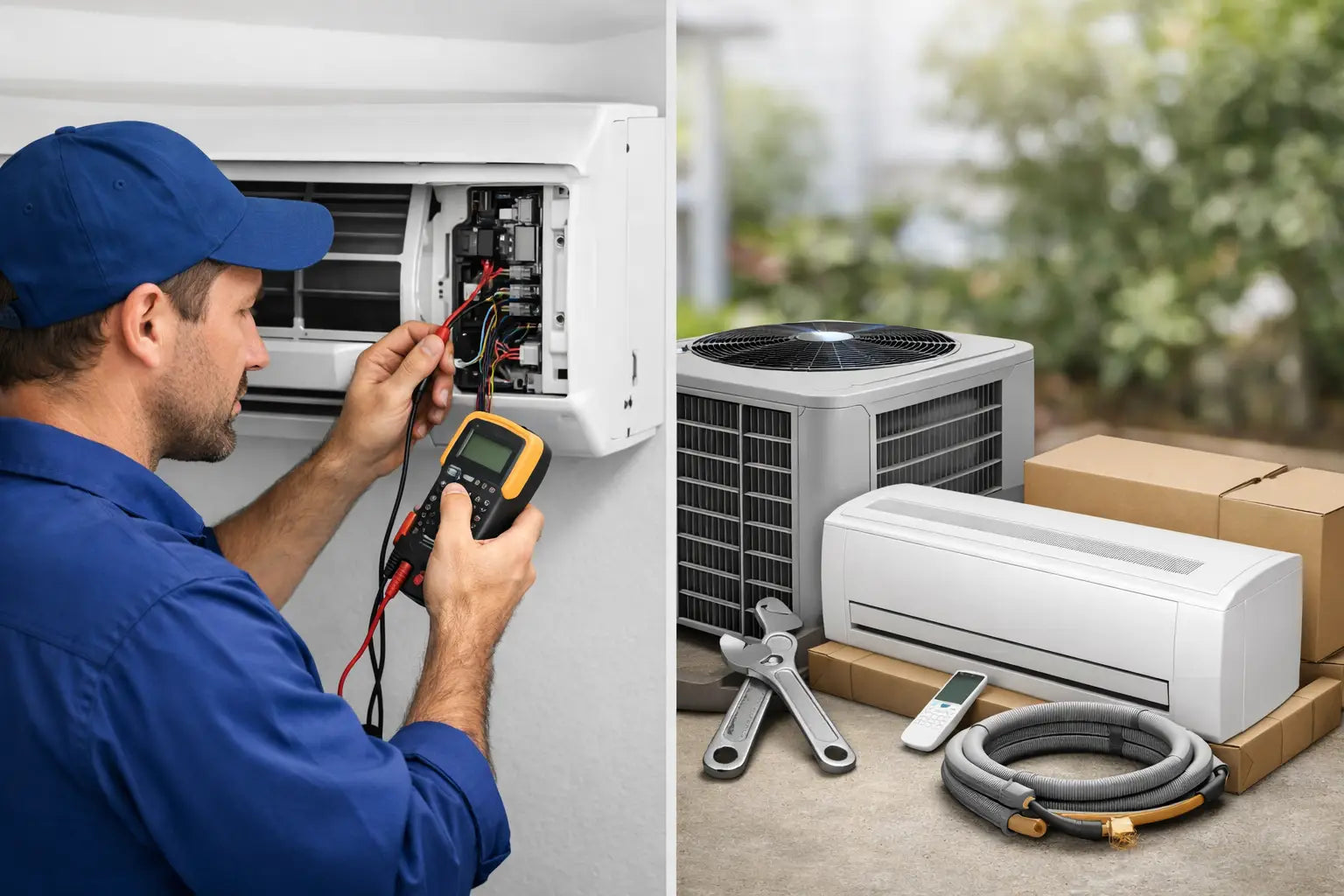
A new air conditioner is only as dependable as the installation behind it. Replacing a system without inspecting the piping, insulation, electrical cabling, drainage route, and outdoor-unit location can carry old problems into a new setup.
This is why a replacement quote should specify more than the brand and model. It should state whether new copper piping is included, the pipe thickness, insulation specification, cable quality, drainage works, trunking or box-up requirements, and testing procedures. Cutting corners on these items can lead to refrigerant leaks, condensation, messy finishes, electrical concerns, and reduced efficiency later.
For a full replacement, premium materials are not cosmetic upgrades. Thicker copper piping, dependable insulation such as K-FLEX TITAN Class 0, and properly rated cables help protect the performance of the system over its working life. Neat routing and careful finishing also matter in occupied homes, offices, and customer-facing commercial spaces.
At Commercestar Engineering, the focus is on managing installation work through an in-house team, with clear material specifications and workmanship accountability. That structure gives customers a more reliable basis for comparing replacement proposals than a low headline price alone.
Compare Efficiency, Capacity, and How You Use the Space
Replacement is an opportunity to correct a system that was undersized, oversized, or poorly planned from the beginning. An undersized unit may run continuously and still leave rooms warm. An oversized unit can cool too quickly, cycle inefficiently, and remove humidity less effectively.
Room size is only one part of capacity planning. Ceiling height, sunlight exposure, window area, occupancy, heat-producing appliances, server equipment, cooking activity, and room layout all affect the cooling load. A condominium bedroom, an open-plan living area, and a busy F&B kitchen should not be assessed using the same rule of thumb.
For multi-split systems, consider whether the existing combination still suits your daily use. If several rooms operate at the same time, the outdoor unit must be able to support that demand. A professional recommendation should explain the proposed capacity and configuration in plain language, rather than simply matching what was installed before.
Energy efficiency should be weighed against your real usage pattern. A higher-efficiency system may justify its upfront cost for homes that run air conditioning nightly or businesses that operate long hours. For a rarely used guest room, the payback calculation may look different. The goal is not to buy the most expensive model. It is to choose a reliable system that is correctly sized and economical to operate.
A Practical Way to Make the Decision
Before authorizing either option, get the answers that matter: What is the confirmed fault? Is the repair expected to last? Are there other worn components likely to fail soon? Does the system still use available refrigerant and replacement parts? If replacing it, will the contractor inspect and renew the supporting installation materials where needed?
It can help to compare a repair quote with a replacement proposal side by side. Include expected maintenance, likely future repairs, warranty coverage, energy use, installation materials, and the disruption involved. A repair that costs less today may still be poor value if it leaves an aging system vulnerable to another major failure.
Do not let a technician pressure you into replacement without diagnosis, and do not let a low repair price distract from recurring faults. The dependable choice is the one supported by a clear technical assessment, appropriate materials, and workmanship that protects your cooling investment long after the team has left.
If your air conditioner is still fundamentally healthy, a precise repair can keep it performing well. If the system is becoming unreliable, replace it with a properly planned installation - then maintain it consistently so the new equipment delivers the comfort and value you paid for.