Aircon Maintenance That Helps Avoid Breakdowns
A system can still blow cold air while quietly wasting electricity, collecting mold around the fan coil, or developing a small drainage issue above a ceiling. That is why aircon maintenance is not simply about getting a quick filter wash when cooling feels weak. It is planned care that protects comfort, equipment life, and the condition of your property.
For homeowners, a neglected unit can mean water leaks, unpleasant odors, uneven cooling, and an unexpected repair bill. For offices, retail spaces, F&B outlets, and industrial properties, it can also mean uncomfortable staff, unhappy customers, disrupted operations, and equipment downtime. Regular servicing gives small issues a chance to be corrected before they become expensive ones.
What Proper Aircon Maintenance Should Cover
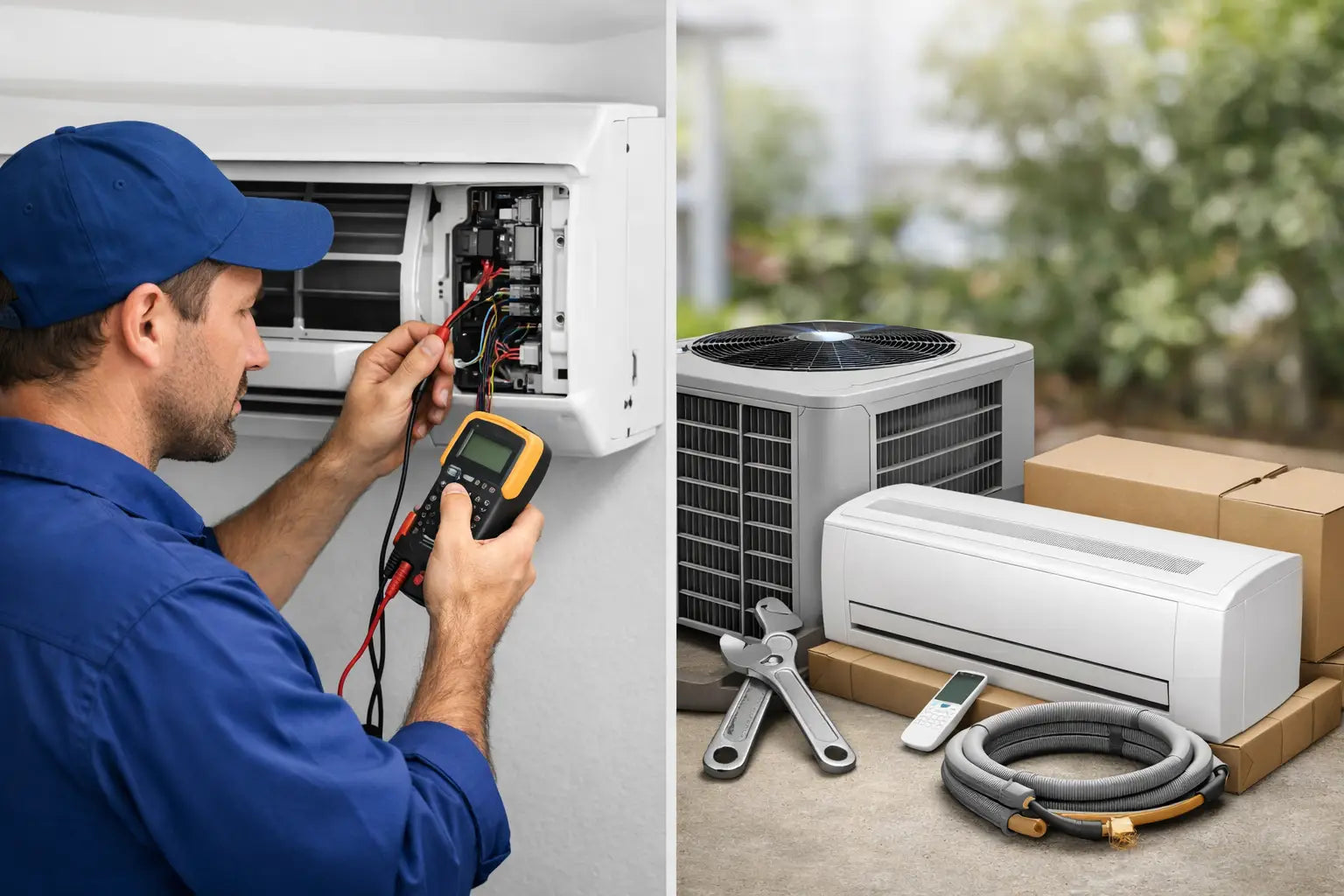
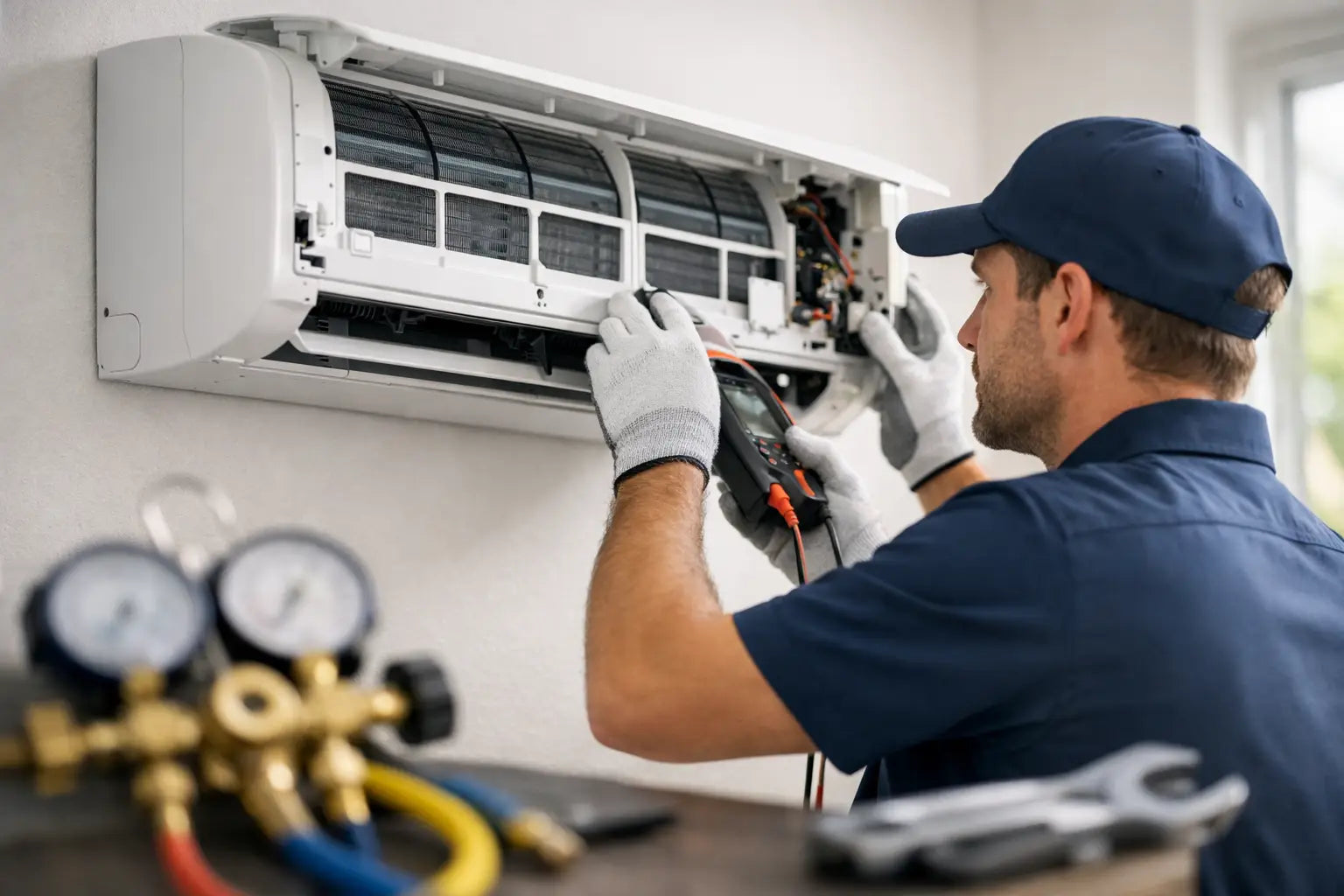
A worthwhile maintenance visit goes beyond spraying the front cover and leaving. The technician should inspect the operating condition of the system, clean the components that affect airflow and drainage, and identify early warning signs that may require repair.
The indoor fan coil unit is usually where daily comfort problems begin. Its air filters collect dust, while the evaporator coil can accumulate dirt and moisture over time. When airflow is restricted, the unit must work harder to cool the room. You may notice that the space takes longer to cool, the airflow feels weaker, or the unit runs for extended periods without reaching the set temperature.
Cleaning the filters and accessible coil surfaces helps restore airflow. The blower wheel and drain pan also deserve attention. Dirt on the blower can reduce air volume, while buildup in the drain pan or pipe can lead to water dripping from the indoor unit. In a home, that may damage paintwork, cabinetry, or false ceilings. In a commercial premises, it may affect stock, furnishings, or customer-facing areas.
A professional visit should also include a check of the drainage system, electrical connections, refrigerant performance, insulation condition, and outdoor condenser operation. Loose wiring, worn insulation, unusual compressor noise, or poor heat rejection are not always obvious to the person using the system every day. Finding them early is part of the value of a structured service plan.
How Often Should You Schedule Aircon Maintenance?
The right frequency depends on how heavily the system is used, how many occupants are in the space, and the environment around the property. A lightly used bedroom unit and an air conditioner operating all day in a busy café should not follow the same schedule.
For most homes, professional servicing every three to four months is a practical baseline. Homes with pets, frequent cooking, smokers, allergy-sensitive occupants, or air conditioning used overnight every day may benefit from more frequent filter care and closer inspection. Filters can be cleaned between professional visits if the manufacturer’s instructions allow it, but DIY cleaning does not replace a full assessment of the drain line, electrical parts, and system performance.
Commercial systems often need servicing every one to three months. Offices with normal weekday use may be comfortable on a quarterly plan, while retail, F&B, and high-traffic operations may require monthly attention. Heat, grease, dust, long operating hours, and frequent door openings all increase the load on an air-conditioning system.
The best schedule is one that matches actual usage rather than a one-size-fits-all promise. A reliable service provider should be able to recommend a maintenance interval after considering the number of units, system type, operating hours, and site conditions.
Signs Your System Needs Attention Before Its Next Service
Do not wait for a complete breakdown if the system starts behaving differently. A change in performance is often the first sign that maintenance or repair is needed.
Weak airflow may point to clogged filters, a dirty coil, a blower issue, or a fan problem. Water dripping from the indoor unit commonly suggests a blocked drain line or drain pan issue, although improper installation slope and damaged piping can also contribute. A musty smell can develop when moisture and organic buildup remain on the coil, fan components, or drainage area.
Poor cooling is more complicated. It may be caused by dirty components, but it can also indicate low refrigerant due to a leak, a faulty sensor, compressor trouble, or an undersized system for the room. Adding refrigerant without finding the reason it is low is not a long-term fix. Refrigerant operates in a closed system, so repeated gas top-ups should prompt a proper leak investigation.
Unusual sounds also deserve attention. Rattling, grinding, clicking, or loud vibration may come from loose panels, fan parts, mounting issues, or electrical components. Switch the system off and arrange an inspection if the noise is severe, if there is a burning smell, or if the circuit breaker trips.
The Difference Between Maintenance, Chemical Cleaning, and Repair
These services are often grouped together, but they solve different problems. Regular maintenance is preventive care: cleaning, checking, testing, and keeping the system operating efficiently. It is appropriate when the unit is functioning normally or has only minor performance changes.
Chemical cleaning is a deeper process used when heavy dirt, stubborn odor, poor drainage, or significant coil buildup cannot be resolved through standard servicing. Depending on the condition of the unit, this may involve removing and thoroughly cleaning internal components. It should be recommended based on inspection, not sold automatically at every visit. Unnecessary chemical work adds cost and can be harsher on parts than routine cleaning.
Repair is needed when a component has failed or a defect is identified. Examples include a leaking pipe joint, faulty capacitor, damaged drain pump, sensor issue, fan motor problem, or compressor fault. Maintenance can reduce the chance of some failures, but no service plan can guarantee that every part will last forever. Age, installation quality, operating environment, and manufacturer specifications all matter.
Why Installation Quality Still Matters Years Later
A maintenance plan can keep a system clean and monitored, but it cannot fully compensate for poor installation. Incorrect pipe sizing, weak insulation, poor drainage gradient, loose electrical work, or low-grade materials can create repeat problems that servicing alone will not solve.
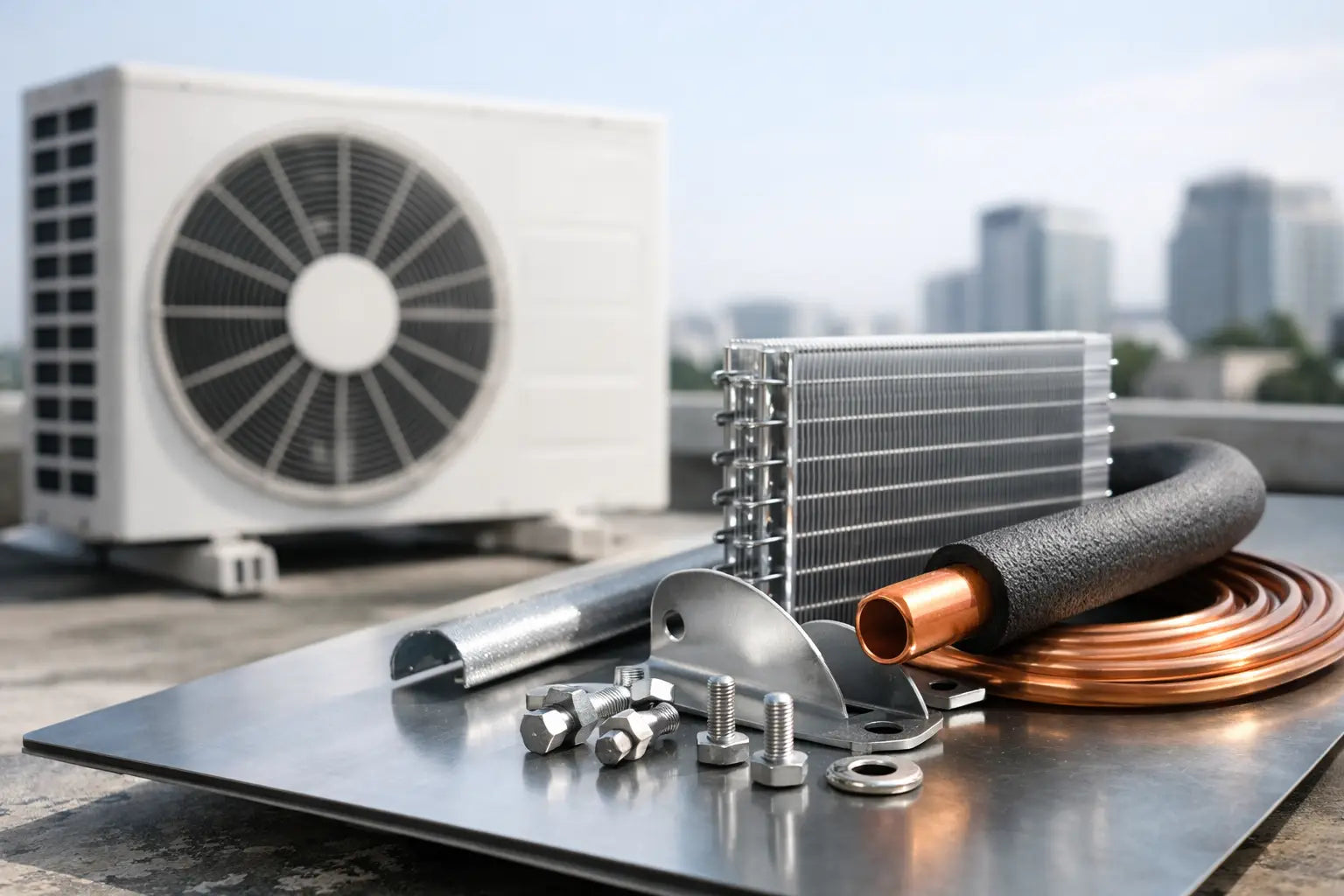
This is especially relevant when installing a new system. Quality copper piping, properly sealed joints, durable insulation, correctly sized cables, and neat trunking work all affect reliability after the installers leave. A properly planned installation also makes future servicing easier, with access to fan coil units, drainage points, and outdoor condensers considered from the start.
For property owners comparing quotations, the cheapest package is not always the lowest-cost choice over time. Ask what installation materials are included, who performs the work, how drainage will be routed, and what after-sales support is available if an issue appears. Clear answers are often more valuable than a vague low price.
Commercestar Engineering approaches maintenance as part of long-term system care, supported by in-house technical teams, structured servicing options, and installation standards designed for dependable performance.
Small Habits That Help Between Service Visits
Professional servicing does the technical work, but everyday use affects how quickly dirt and moisture build up. Keep doors and windows closed while the air conditioning is running, and avoid setting the temperature extremely low for long periods. A moderate setting, often around 75 to 77 degrees Fahrenheit, can provide comfort without forcing the system to run unnecessarily hard.
Check the air filters regularly, especially during periods of heavy use. If they look visibly dusty, clean them according to the unit manual and make sure they are fully dry before reinstalling them. Never push objects into the indoor unit or pour cleaning liquids into areas you cannot access safely.
It also helps to use the unit’s fan or dry mode when appropriate. In humid conditions, dry mode may improve comfort without overcooling the room. However, it is not a substitute for repairing a leaking system or clearing a blocked drain line.
Choosing a Maintenance Provider You Can Rely On
A dependable provider should explain what was checked, what was cleaned, and whether any follow-up work is recommended. You should not be left guessing whether a quoted repair is urgent, optional, or simply a preventive recommendation.
Look for transparent pricing, clear appointment communication, trained technicians, and evidence of consistent workmanship. For commercial clients, service coordination matters just as much as technical ability. A provider should understand access requirements, operating hours, safety needs, and the cost of disrupting business activity.
The goal is not to service an air conditioner as often as possible. It is to keep each system clean, efficient, safe, and ready for the demands placed on it. A timely inspection today can protect the ceiling, the equipment, and the comfort of everyone using the space tomorrow.