Best Aircon Materials for Durability That Last
A new air conditioner can look excellent on handover day, yet the installation materials behind the walls and above the ceiling often decide how reliably it performs years later. The best aircon materials for durability are not always the cheapest items in an installation quote. They are the components that resist heat, moisture, vibration, corrosion, and daily electrical load without creating leaks, condensation, or costly access work later.
For homeowners, that can mean avoiding water stains on a false ceiling or having to open up a finished pipe box to repair a refrigerant leak. For offices, retail spaces, and F&B operations, it can mean fewer disruptions when the system needs to run for long hours. A durable aircon installation starts with the indoor and outdoor units, but it is protected by the materials connecting them.
Why Installation Materials Matter as Much as the Aircon Unit
Air conditioners are often compared by cooling capacity, energy rating, and brand. Those factors matter, but the equipment is only one part of the system. Refrigerant piping carries pressurized gas between units. Insulation prevents condensation and energy loss. Drainage piping removes water. Electrical cables keep the system powered safely. Every joint, fitting, and support point must be installed correctly.
A lower-priced package may use thinner copper, basic insulation, undersized cables, or less reliable fittings to reduce upfront cost. The system may still cool normally at first. Problems tend to appear later, especially in hot, humid environments where insulation faces constant moisture exposure and drainage has little room for error.
Durability is therefore not about paying for upgrades without a reason. It is about specifying the right grade of material for the property, pipe route, unit capacity, and expected operating hours.
Best Aircon Materials for Durability: What to Specify
Thicker copper piping for reliable refrigerant flow
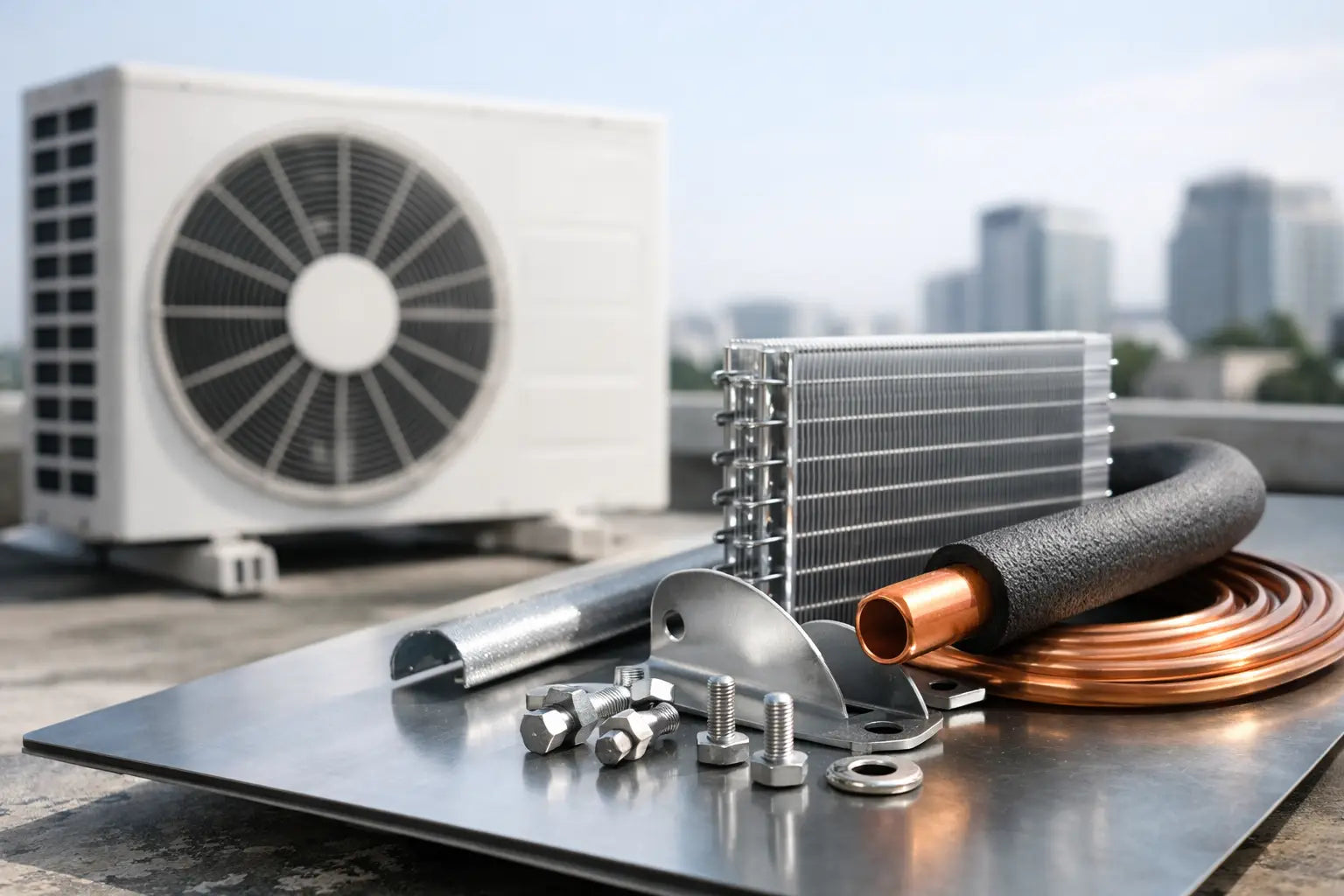
Copper piping is one of the most critical parts of any split-system aircon installation. It carries refrigerant between the fan coil unit and the condenser, so it needs to withstand pressure, vibration, temperature changes, and years of operation without leaking.
Annealed copper is widely used because it can be bent around site conditions while retaining dependable performance. The more meaningful question is the wall thickness. Thicker 21 SWG copper piping provides greater resistance to physical damage and long-term wear than lighter-gauge alternatives. It is especially worthwhile when piping runs are long, routes are concealed, or the installation requires multiple bends.
Thickness alone does not guarantee a leak-free system. Copper must also be properly flared, tightened to the correct torque, pressure-tested, and vacuumed before refrigerant is released. Even premium copper can fail if workmanship is rushed. Still, choosing a thicker, quality copper pipe creates a stronger foundation for the system.
Class 0 closed-cell insulation to control condensation
Insulation is frequently hidden inside trunking, pipe casings, or ceiling spaces, which makes it easy to overlook. Yet poor insulation is a common reason for condensation, dripping, and reduced cooling efficiency.
Closed-cell elastomeric insulation is designed to resist moisture vapor penetration. Class 0 insulation adds a higher standard of fire performance, making it a sound choice for residential and commercial installations where safety and lasting protection matter. K-FLEX TITAN Class 0 insulation, for example, is built to protect refrigerant lines from condensation while maintaining thermal performance in demanding conditions.
The insulation must fit tightly around the pipe, with all joints properly sealed. Gaps, crushed sections, or exposed copper create cold spots where condensation can form. In a humid climate, a small installation defect can turn into persistent ceiling drips or mold concerns. Good insulation should remain intact, dry, and securely supported throughout the pipe run.
Quality electrical cables with the correct rating
An aircon system draws substantial electrical load, particularly during startup and when several fan coil units are operating. The cable selection must match the system’s requirements, circuit protection, and installation route. This is not an area for generic or questionable-grade wiring.
Singapore-made cables are often preferred for their consistent manufacturing standards and dependable insulation quality. For any market, the practical rule is the same: use properly rated cable from a reliable source, sized for the equipment and installed by qualified technicians. The cable should be protected from damage, neatly routed, and terminated securely at the isolator and equipment connections.
Cheap cables may have thinner conductors or weaker insulation, increasing the risk of overheating, voltage drop, and premature deterioration. A durable installation also includes suitable circuit breakers and electrical isolation points, allowing safe servicing when needed.
UV-resistant drain piping with proper fall
Cooling creates condensate. That water must leave the indoor unit efficiently every day, and drainage problems can cause some of the most visible damage in a home or business.
A durable drain line uses quality PVC piping that is correctly sized, securely joined, and routed with a continuous downward slope. The material matters, but planning matters just as much. A drain pipe with poor fall can allow water to stagnate, encouraging slime buildup, odors, and eventual overflow. Improvised routing with too many sharp turns makes cleaning more difficult.
For exposed outdoor areas, UV-resistant materials or adequate protection help prevent brittleness caused by sun exposure. Drain lines should also be properly supported so they do not sag over time. In concealed works, access planning is worth discussing before walls or ceilings are closed, because a blocked drain is much easier to resolve when key sections remain serviceable.
Corrosion-resistant fittings, supports, and hardware
The small components in an installation often receive the least attention, despite being responsible for holding the entire system in place. Brackets, threaded rods, clamps, screws, condensate supports, and outdoor-unit mounting hardware should be selected for the environment.
In humid or coastal conditions, corrosion-resistant hardware is a sensible investment. Rusted brackets and unsecured pipe supports can lead to vibration, noise, sagging drain lines, and an untidy appearance. Outdoor condenser brackets should have sufficient load capacity, be securely anchored, and allow suitable clearance for airflow and servicing.
Pipe clamps also need to be spaced correctly. Unsupported refrigerant lines can vibrate, which places extra strain on joints over time. Neat support work is not merely cosmetic. It helps preserve the integrity of the installation.
Material Choices Depend on the Property and Usage
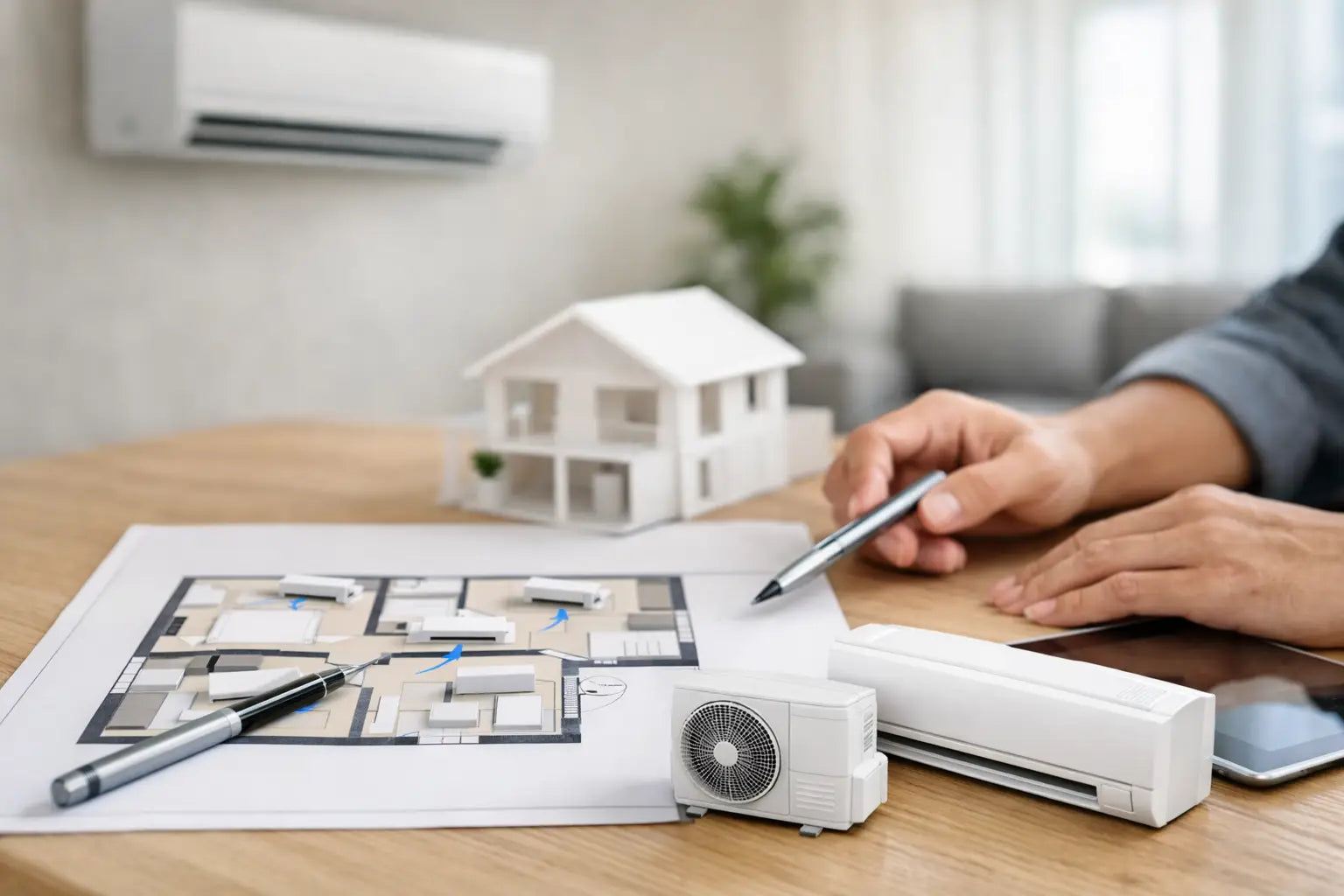
There is no single specification that fits every aircon project. A compact apartment with short pipe runs has different needs from a large home with concealed piping, multiple outdoor units, or a long run to a balcony condenser. A retail store or restaurant may operate its aircon far longer each day than a typical residence, making material quality and maintenance access even more significant.
Concealed piping deserves particularly careful planning. Once pipework is boxed up or hidden above a false ceiling, repairs can involve dismantling finishes. Choosing thicker copper, high-grade insulation, and well-planned drain routes at the outset is usually more economical than saving a small amount on materials and paying for rectification later.
For commercial installations, ask about pipe support spacing, electrical load calculation, drainage capacity, insulation specifications, and whether the contractor can coordinate around operating hours. The right answer should be based on the site, not a one-size-fits-all package.
Workmanship Turns Good Materials Into a Durable System
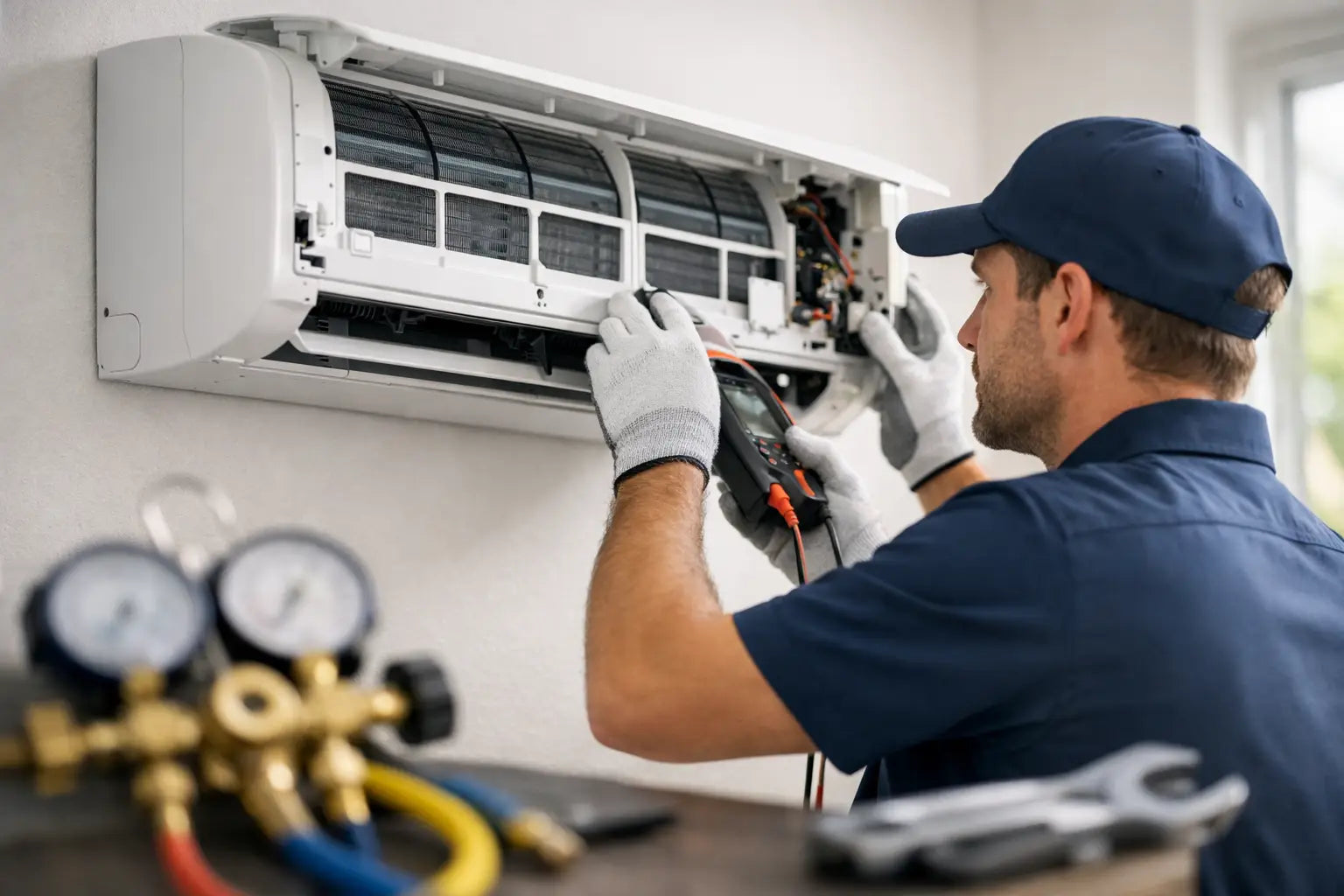
Premium materials cannot compensate for careless installation. Refrigerant pipes must be cut cleanly, reamed properly, insulated fully, and connected with correctly formed flare joints. The system should undergo pressure testing to check for leaks, followed by vacuuming to remove air and moisture before commissioning.
Drain lines should be tested with water before handover. Electrical connections should be checked for secure termination and appropriate protection. Indoor units need to be level so condensate flows correctly, while outdoor units require a stable base and sufficient ventilation.
This is why an in-house installation team can make a practical difference. It allows better control over installation standards, material selection, scheduling, and accountability after the work is completed. At Commercestar Engineering, the focus on 21 SWG copper piping, K-FLEX TITAN Class 0 insulation, and quality cables reflects a straightforward belief: the parts customers cannot easily see should be built to last.
Questions to Ask Before Accepting an Aircon Quote
A clear quote should state more than the model of the aircon unit. Ask what copper pipe thickness is included, the insulation brand and grade, cable origin and rating, drainage pipe type, and whether pressure testing and vacuuming are part of the installation process.
Also ask what happens when pipe runs exceed the standard allowance, whether concealed pipework is accessible for future service, and how workmanship-related issues are handled after installation. Transparent answers are a better sign than a package that is simply the lowest price on paper.
A well-installed aircon should disappear into daily life: cool rooms, dry ceilings, quiet operation, and no surprise repair bill because a hidden shortcut failed. Choose materials with the same care you use when selecting the aircon brand, then make sure the team installing them is prepared to stand behind the work.