Aircon Installation Warranty Trends to Watch
A new aircon system can look perfect on handover day and still reveal installation issues months later. A small refrigerant leak, sweating insulation, poorly supported piping, or an electrical connection fault may not appear during the first few cooling cycles. That is why aircon installation warranty trends are moving beyond broad promises and toward clearly defined workmanship coverage, documented materials, and accountable after-sales support.
For homeowners, this matters most when comparing quotes that seem similar on paper. For offices, retail spaces, and F&B operators, it affects downtime, operating costs, and who responds when cooling performance drops. The best warranty is not necessarily the longest one advertised. It is the one backed by a capable installer, clear written terms, and installation standards designed to prevent failures in the first place.
Why Aircon Installation Warranties Are Getting More Specific
Air conditioning buyers have become more informed. They know that a manufacturer warranty generally protects the equipment, while an installation warranty should protect the workmanship behind the system. These are different responsibilities, and treating them as one can create frustration when a problem occurs.
A manufacturer may cover a compressor, circuit board, or other approved component subject to its terms. But a leak caused by a poor flare joint, damaged copper pipe, inadequate insulation, or improper drainage is usually an installation matter. When the installer gives vague answers about what is covered, the customer can be left coordinating between multiple parties while an air-conditioned space becomes uncomfortable.
As a result, more customers are looking for warranties that identify the covered work rather than simply stating “warranty included.” This shift benefits serious contractors too. Clear coverage sets the right expectation, separates workmanship from equipment defects, and demonstrates confidence in how the installation is completed.
The Shift From Sales Promise to Documented Scope
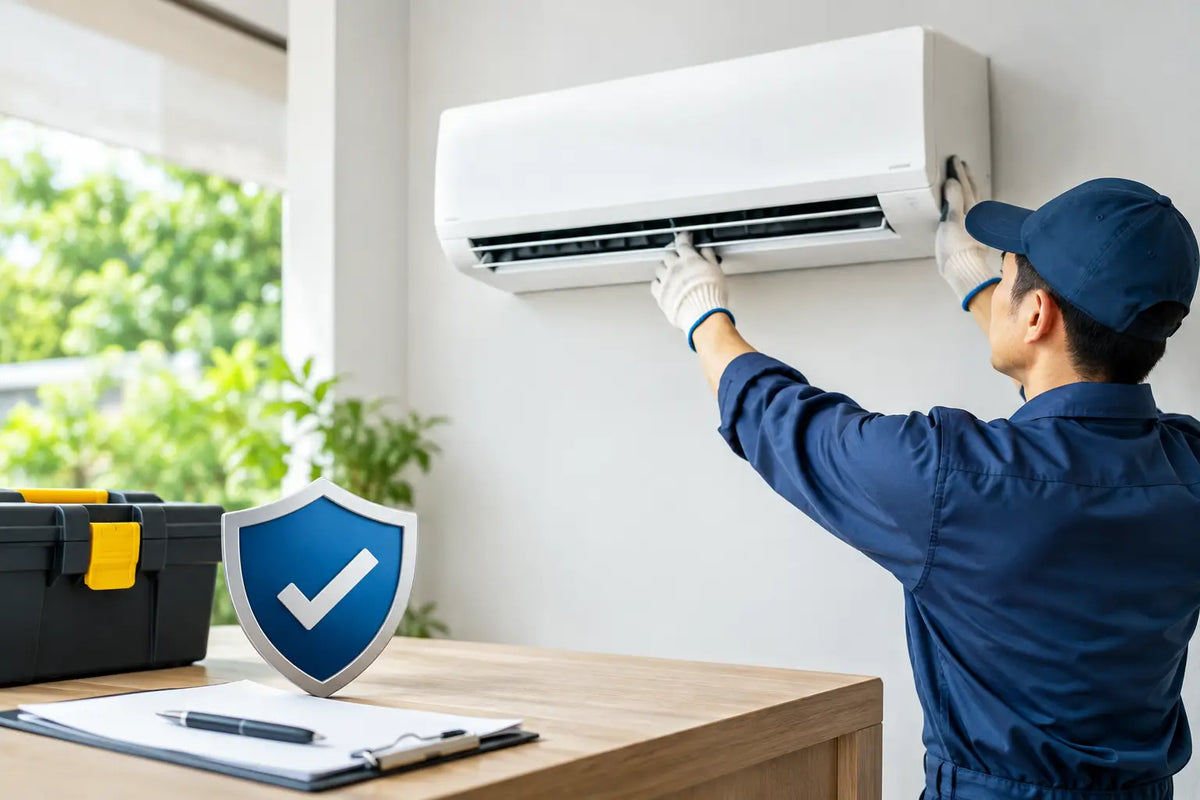
One notable trend is the move toward written warranty scopes. Rather than relying on a verbal assurance, customers increasingly expect quotations, invoices, or handover documents to state what was installed and what workmanship support applies.
A useful document should identify the system configuration, installation date, key materials, and relevant coverage period. It should also explain what happens if an issue is reported. For example, will the installer inspect the concern first? Are site visits included for valid workmanship faults? What conditions may affect coverage, such as unauthorized alterations or accidental damage?
This level of clarity is especially valuable in a resale home or commercial tenancy, where future occupants or facilities teams may need a reliable record of the original work.
Aircon Installation Warranty Trends: What Buyers Should Expect
The strongest current trend is not simply longer coverage. It is better-defined coverage with a practical support process. A warranty only has real value when the provider answers calls, has access to installation records, and can send a qualified team to assess the fault.
Clear Separation Between Parts and Workmanship
Buyers should expect the quote to distinguish manufacturer coverage from installer workmanship coverage. This avoids a common misunderstanding: assuming every future problem is covered by the aircon brand.
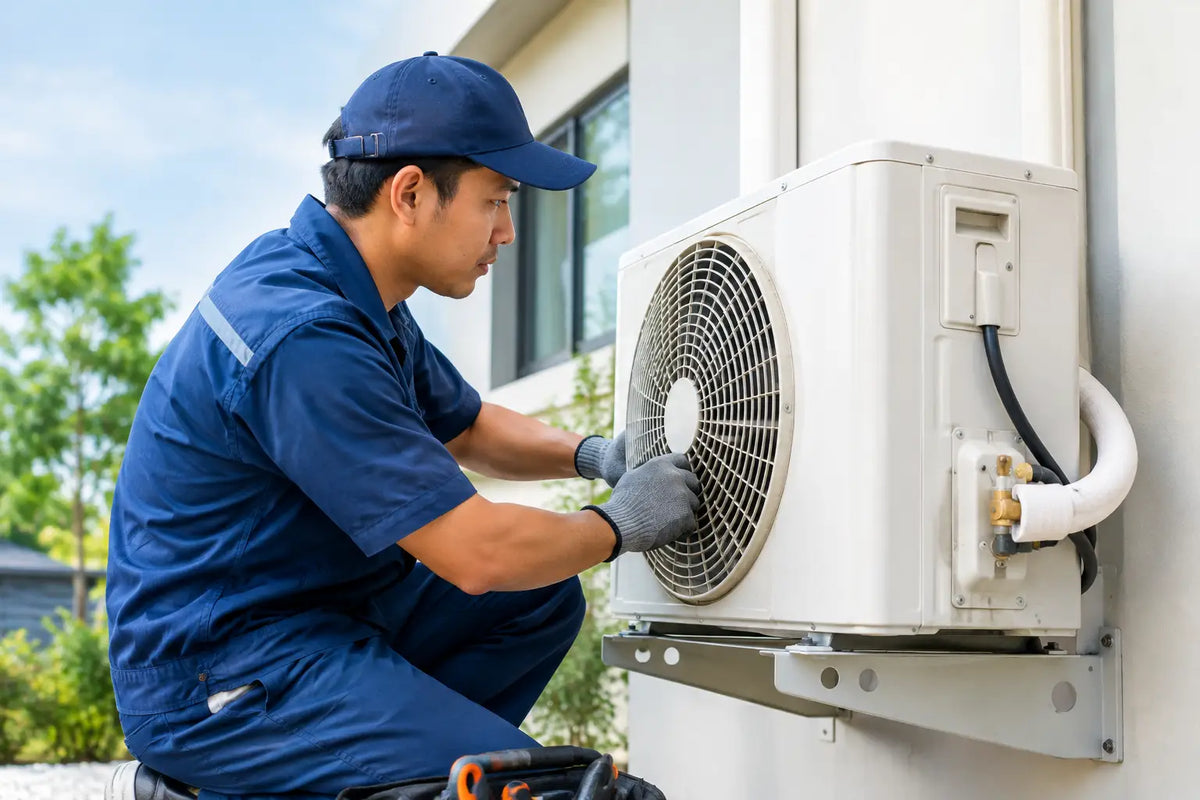
Workmanship coverage may include defects related to pipe connections, drainage routing, wiring connections, insulation application, mounting, and installation-related refrigerant leakage. Equipment warranty coverage is controlled by the manufacturer and may have registration, servicing, or usage requirements.
Neither type is automatically better. Both are necessary, but they protect different parts of the investment. A high-quality system installed carelessly can underperform. Likewise, excellent workmanship cannot prevent an electronic component from developing a factory defect.
Materials Are Becoming Part of the Warranty Conversation
Warranty discussions increasingly start with materials, and for good reason. Materials influence whether the installation remains neat, efficient, and reliable over time.
Thin copper piping can be more vulnerable to damage during installation or later renovation work. Low-grade insulation can deteriorate, contribute to condensation, or leave piping exposed to moisture concerns. Poor-quality cables or improvised connections can create reliability and safety issues. The installer’s warranty may be more meaningful when the contractor specifies durable components from the beginning.
For Singapore properties, where systems operate in high heat and humidity, details such as properly sized copper piping, closed-cell insulation, secure trunking, and well-planned drainage are not cosmetic upgrades. They are part of the system’s long-term performance. Premium materials do cost more, but they can reduce the likelihood of callbacks and disruptive repairs.
Faster Response Is Now a Major Differentiator
A long warranty period is reassuring, but response time often matters more when an aircon stops cooling in a bedroom, office, restaurant, or server room. Customers increasingly evaluate installers based on whether support is handled by an organized in-house team or passed through several subcontractors.
An in-house installation team can usually trace the original job more effectively. They know the installation methods, can access job details, and have clearer accountability for corrective work. This does not mean every issue can be resolved immediately - replacement parts, access restrictions, and manufacturer assessments can affect timing - but it creates a more direct path to diagnosis.
For commercial customers, ask how urgent cooling failures are prioritized. A warranty should support business continuity, not become a paperwork exercise while staff and customers wait in an overheated space.
What a Good Workmanship Warranty Does Not Cover
Transparent exclusions are a sign of professionalism, not a warning sign. No responsible installer can reasonably cover damage caused by unrelated renovation work, pests, misuse, power surges, flooding, or a lack of necessary maintenance.
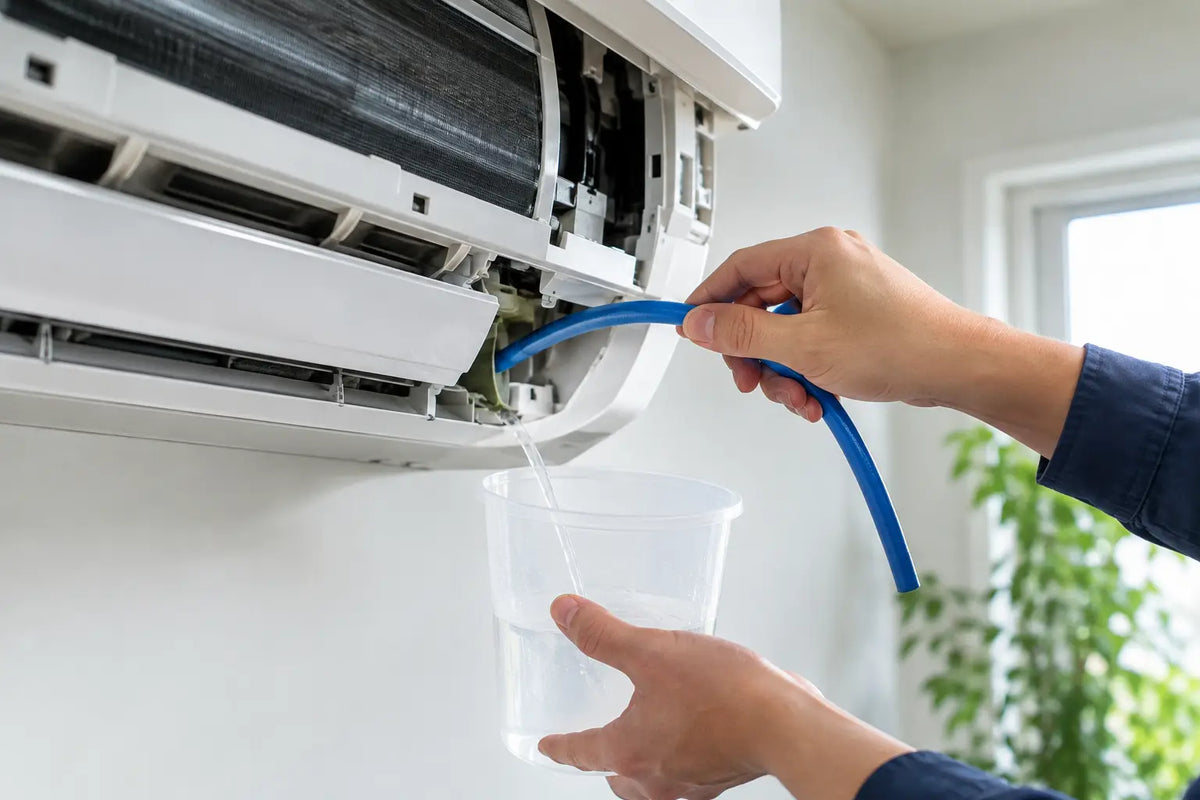
For example, if a homeowner drills into concealed piping during a renovation, that is not an original workmanship defect. If a drain line later becomes blocked due to neglected cleaning, the solution may fall under servicing rather than installation warranty support. A compressor failure may require assessment under the equipment manufacturer’s process rather than a claim against the installation team.
The key is that exclusions should be explained plainly before work begins. Customers should not have to discover them only after reporting a problem.
Questions to Ask Before You Commit
Before accepting an installation package, ask for direct answers about the warranty and the work behind it. You do not need a legal document full of fine print, but you do need enough detail to make an informed decision.
Ask whether the coverage is for the aircon unit, workmanship, or both. Confirm the length of workmanship coverage and whether refrigerant leaks caused by installation are included. Request the specifications for copper pipe thickness, insulation grade, electrical cable, drainage, and trunking. These details help you compare proposals fairly instead of choosing based on system capacity and price alone.
Also ask who will return to site if there is a workmanship issue. A provider that manages its own installers has a different level of control from one that depends entirely on whichever external crew is available. If your property has special access requirements, concealed piping, box-up work, or a complex commercial layout, make sure these conditions are recorded before installation starts.
Keep Your Installation Records
Customers also have a role in protecting warranty value. Keep the quotation, invoice, warranty details, and any photos taken at handover. If an issue appears, report it early and describe the symptoms clearly: whether cooling is weak, water is dripping, a pipe is sweating, or an error code is displayed.
Continue with routine servicing as recommended for your usage. Regular maintenance does not replace a workmanship warranty, but it helps identify developing issues early and reduces disputes over whether a fault came from installation, normal wear, or poor upkeep.
The Real Trend Is Accountability
The direction of the market is clear: customers are less persuaded by a generic “free warranty” label and more interested in who stands behind the completed installation. They want better materials, skilled technicians, visible documentation, and an after-sales process that does not disappear after payment.
That is a sensible standard. Air conditioning is not just a boxed appliance delivered to a home or business. It is a working system of equipment, piping, insulation, drainage, electrical connections, and careful execution. When the warranty reflects that reality, customers can make decisions based on long-term value rather than the lowest initial quote.
Before your next installation, read the warranty alongside the material specifications and service process. The contractor willing to explain all three clearly is usually the one treating your comfort as a long-term responsibility.