Article: What Makes Aircon Installation Quality Last?
What Makes Aircon Installation Quality Last?
A new air conditioner can look impressive on day one and still become a source of leaks, weak cooling, noise, and repair bills months later. So, what makes aircon installation quality different? It is the standard of work behind the walls, above the ceiling, and along the piping route - the details a homeowner or business operator may not see immediately, but will live with for years.
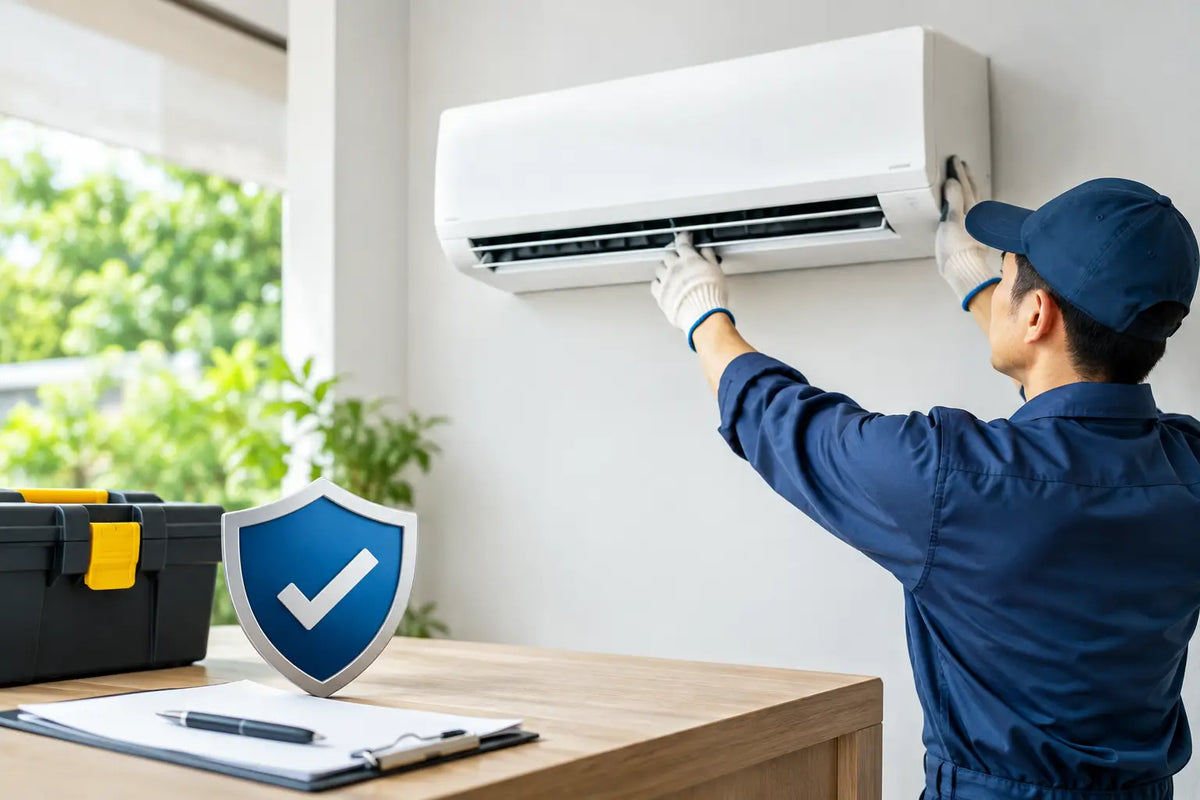
A quality installation is not simply mounting indoor units and switching the system on. It starts with proper system planning, continues with premium materials and disciplined workmanship, and ends only after the installer has tested the full system and remains accountable for after-sales support. In Singapore's hot, humid climate, those steps are not extras. They protect comfort, efficiency, and the lifespan of your investment.
What makes aircon installation quality?
Quality aircon installation comes down to four connected areas: correct system design, dependable materials, precise technical execution, and proper testing. If one area is weak, even a reputable aircon brand can underperform.
The outdoor condenser, indoor fan coil units, copper pipes, insulation, drainage lines, electrical cables, and controls must all work as one system. A low quotation can sometimes leave out the very upgrades that make this system dependable over time. That is why comparing only the price of an aircon package can be misleading. The better question is what materials, scope, testing, and workmanship responsibility are included.
Correct capacity and system planning
The first quality decision happens before installation day. An installer should assess the room size, ceiling height, sun exposure, usage pattern, and property layout before recommending a system capacity and configuration.
An undersized unit may run for long periods without reaching the desired temperature. An oversized unit can cool too quickly, cycle on and off frequently, and remove less moisture from the air. The right recommendation also depends on whether the space is an HDB apartment, BTO home, condo, office, retail unit, restaurant, or industrial area. A busy commercial kitchen and a lightly used bedroom do not place the same demand on an air-conditioning system.
Piping routes matter as much as cooling capacity. A thoughtful route minimizes unnecessary bends, protects the piping from physical damage, allows water to drain properly, and keeps the finished work neat. In a renovation, early coordination with the contractor can prevent awkward trunking positions, inaccessible service points, and costly rework later.
Premium materials are part of installation quality
Aircon materials are easy to overlook because much of the work is concealed after installation. Yet the pipe, insulation, cable, and drainage components determine whether the system can operate efficiently and reliably in the long term.
Copper piping and insulation
Refrigerant travels through copper piping between the indoor and outdoor units. Thin or lower-grade piping may be more vulnerable to damage during installation and less suitable for the demands placed on a modern system. Using thicker 21 SWG copper piping provides greater durability and helps support a professional installation standard.
Insulation is equally important. It prevents condensation from forming on cold refrigerant lines. When insulation is poorly fitted, too thin, torn, or left with gaps at joints, moisture can develop and lead to dripping, stained ceilings, mold concerns, or damaged finishes. Quality installers use reliable insulation such as K-FLEX TITAN Class 0 and seal joints carefully, rather than treating insulation as a cosmetic wrap-around.
The material itself matters, but so does the way it is handled. Copper should not be crushed or kinked during bending. Insulation should remain continuous, including around joints and bends. These details are difficult to fix once piping is enclosed behind a box-up or false ceiling.
Electrical cables and drainage lines
Air-conditioning also depends on safe electrical connections. Properly specified, Singapore-made cables and orderly wiring reduce avoidable electrical risks and make future servicing easier. Cables should be secured and routed professionally, not left loosely arranged where they can be damaged or create an untidy finish.
Drainage deserves the same attention. Every indoor unit produces condensate water, and that water needs a clear route out of the property. The drain pipe must have sufficient gradient, secure connections, and appropriate insulation where condensation could occur. A poorly planned drain line may work during a brief handover test but cause water to back up after extended use.
Skilled execution protects system performance
Good materials cannot compensate for careless installation. Technical discipline is where workmanship becomes visible over time.
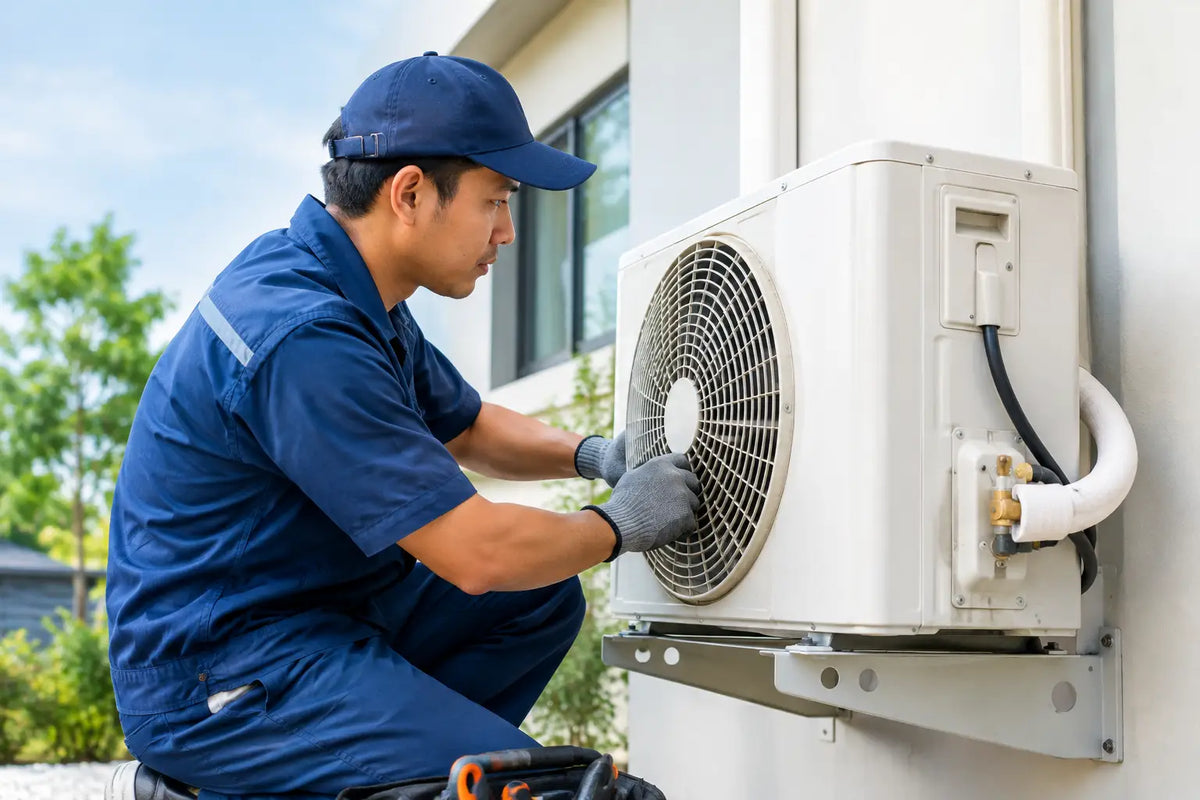
The indoor unit should be installed level and securely supported. If it is not level, drainage can be affected and water may drip from the unit. The outdoor condenser must be positioned with adequate clearance for airflow and future servicing, while brackets and supports must be appropriate for the unit and installation location.
Piping connections require particular care. The installer should form flares correctly, tighten fittings to the proper standard, and avoid contaminating the refrigerant line with moisture or debris. Every bend should be controlled rather than forced. Excessive or sharp bends restrict refrigerant flow and can reduce performance.
Neat workmanship also has practical value. Straight trunking, clean wall penetrations, properly sealed openings, and organized pipe routing make a home or business look better, but they also help protect the installation from weather, pests, and accidental damage. If you choose aircon piping box-up works, ensure the design still allows reasonable access for servicing and repairs. A flawless concealed finish is not helpful if a small issue later requires extensive hacking to reach the pipes.
Pressure testing and vacuuming are non-negotiable
One of the clearest signs of what makes aircon installation quality is what happens before refrigerant is released into the system. A responsible installer does not rely only on whether the unit starts and blows cold air for a few minutes.
Pressure testing checks for leaks in the piping connections. Even a small refrigerant leak can gradually reduce cooling performance, increase energy use, and eventually cause the system to stop cooling properly. Finding a leak before the work is concealed is far easier and less disruptive than tracing it months later.
Vacuuming removes air and moisture from the refrigerant lines. Moisture left in the system can affect performance and contribute to long-term component problems. This step takes time, which is one reason rushed installations can create future headaches. A team focused only on completing the maximum number of jobs in a day may be tempted to shorten the work that customers cannot see.
After testing, the installer should confirm that each unit cools properly, drains correctly, and operates without unusual noise or vibration. Customers should also receive a clear explanation of basic operation, filter cleaning, and when to arrange maintenance.
Accountability matters after handover
Air-conditioning is a long-term system, not a one-time purchase. Even the best installation will need routine cleaning and occasional servicing. The difference is that a properly installed system is easier to maintain, less likely to develop preventable issues, and supported by a company that can identify what was installed and why.
This is where an in-house installation team offers a real advantage over loosely coordinated subcontract work. When the company that sells, installs, services, and repairs the system takes responsibility for the complete job, communication is clearer. There is less finger-pointing between the seller, installer, and service provider if an issue arises.
For homeowners, that means greater confidence that the team understands the original piping route, materials, and equipment configuration. For business operators, it means faster, more organized support when cooling affects staff comfort, customer experience, stock, or daily operations. Commercestar Engineering applies this full-service approach with professional installation, maintenance options, and after-sales support designed around long-term system care.
How to assess an installation quotation
Before deciding on an aircon package, ask for a clear breakdown of what is included. The quotation should state the recommended system, piping material and thickness, insulation type, cable specification, drainage scope, trunking or box-up details, testing process, and any possible charges for additional work.
Be cautious when a quotation is significantly lower than others but lacks technical detail. It may still be suitable for a straightforward replacement job, but it could also exclude upgraded materials, adequate piping length, proper testing, or finishing work. The goal is not to pay for the most expensive package automatically. It is to understand the standard you are buying and avoid surprises after installation begins.
Customer reviews can also be useful when they mention specific experiences: punctuality, cleanliness, communication, workmanship, problem resolution, and follow-up support. Broad claims of "good service" are encouraging, but detailed feedback gives a better picture of how a contractor performs when the job is complex.
A quality installation should leave you with more than cool air on the first day. It should give you confidence that the hidden work is sound, the system can be maintained properly, and help is available when you need it. That confidence is often worth far more than the smallest upfront saving.