Benefits of Regular Aircon Servicing for Comfort
A cooling system rarely fails at a convenient time. It starts with a bedroom that takes longer to cool, an office that feels stuffy by midday, or water dripping from an indoor unit onto the wall. By the time the problem is obvious, dirt buildup, restricted drainage, or a developing mechanical fault may already be affecting performance.
The benefits of regular aircon servicing go far beyond making a unit feel cold again. Professional maintenance helps protect indoor comfort, energy efficiency, air quality, and the useful life of equipment. For homeowners, that means fewer unwelcome repair bills. For offices, retail spaces, and F&B operations, it means less risk of disruption when reliable cooling matters to customers and staff.
Benefits of Regular Aircon Servicing: Better Daily Performance
An air conditioner moves heat out of a room through a series of components that must work together: filters, evaporator coils, blowers, drainage lines, refrigerant piping, electrical connections, and the outdoor condenser. When one part is dirty or under strain, the whole system can lose efficiency.
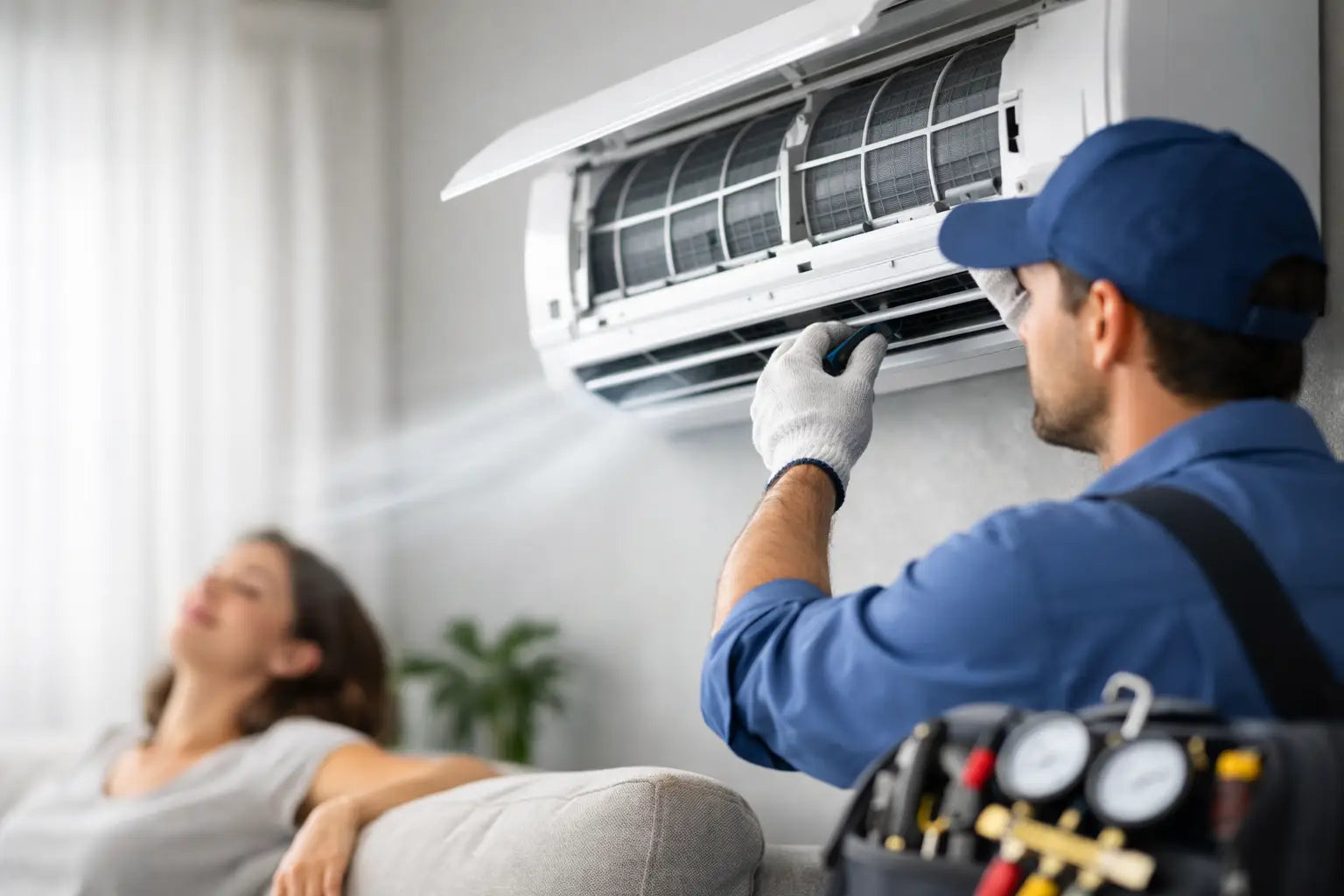
During routine servicing, a technician cleans accessible parts, checks airflow, inspects drainage, and looks for early signs of wear. A cleaned filter and blower allow conditioned air to circulate more freely. A cleaner coil transfers heat more effectively. The result is often faster, more even cooling without having to set the thermostat excessively low.
This is particularly valuable in homes where air conditioners run nightly and in commercial premises with long operating hours. A system that is serviced on schedule is more likely to maintain stable temperatures across rooms, rather than leaving one space cold and another uncomfortably warm.
Lower Energy Use Without Sacrificing Comfort
When filters and coils are clogged with dust, the system has to work harder to deliver the same cooling output. Longer run times can increase electricity consumption and put additional load on the compressor, which is one of the most costly components to replace.
Regular servicing does not guarantee a fixed percentage reduction on every utility bill. Energy savings depend on the system's age, usage pattern, room size, insulation, thermostat settings, and whether the unit was already heavily soiled. Still, restoring proper airflow and heat exchange removes avoidable inefficiency.
There is also a practical comfort benefit. Instead of overcooling a room to compensate for weak airflow, occupants can use more reasonable temperature settings. That creates a more comfortable environment and helps control operating costs over time.
Cleaner Air Where People Live and Work
Air conditioners recirculate indoor air, so a dirty filter is not merely an efficiency issue. It can contribute to dustier rooms, stale odors, and reduced comfort for people who are sensitive to airborne particles. Mold growth around a persistently wet drain pan or evaporator area can also create an unpleasant smell when the unit starts.
A standard service typically includes filter cleaning and an inspection of areas where moisture and dirt collect. If there is significant buildup, a more intensive cleaning may be recommended. That distinction matters. Not every unit needs a chemical wash, and recommending one without checking the actual condition of the system is poor practice.
For families with children, older adults, pets, or household members with allergies, cleaner airflow can be a meaningful part of a healthier indoor environment. In workplaces and customer-facing spaces, it also supports a more pleasant experience for everyone in the room.
Fewer Breakdowns and Less Water Damage Risk
Many aircon issues begin quietly. A drain line gradually narrows with slime or debris. An electrical terminal loosens from vibration. Insulation deteriorates around piping. Refrigerant performance drops because of a small leak. If these conditions are identified early, they may be corrected before they lead to a shutdown or a much larger repair.
Water leakage is a common example. Condensation is normal during cooling, but it needs a clear path out through the drainage system. When that path is blocked, water can overflow from the indoor unit. Beyond the immediate mess, repeated leakage can stain walls, damage ceilings, affect built-in carpentry, or create mold-prone areas.
A competent service visit should include drainage checks, not simply a quick wipe of the unit cover. For properties with concealed piping or boxed-up trunking, this attention is especially important because hidden leaks can be harder to spot before they affect finishes.
Protecting Expensive Components
The outdoor condenser, compressor, fan motor, and control board are not parts most owners want to replace unexpectedly. While maintenance cannot prevent every failure, it helps reduce avoidable strain. Poor airflow, accumulated dirt, overheating, and neglected electrical connections can all shorten component life.
Servicing also gives owners a clearer picture of whether a repair is worthwhile. An experienced technician can explain whether a fault is isolated and economical to fix, or whether an aging system is reaching the point where replacement makes better financial sense. Transparent advice is more valuable than repeatedly paying for temporary fixes that do not address the underlying condition.
For newer systems, keeping up with maintenance helps preserve the performance you paid for. For older units, it provides the information needed to budget and plan instead of being forced into a rushed replacement during a breakdown.
The Right Service Frequency Depends on Use
There is no single schedule that fits every property. A lightly used guest-room unit may need less frequent attention than an air conditioner operating every night. A restaurant, server room, busy office, or retail shop can accumulate dust and run hours much faster than a typical home system.
As a practical starting point, many occupied homes benefit from servicing every three to six months, especially when units are used regularly. Commercial systems often require a more structured maintenance plan because downtime has a direct business cost. The right interval should be based on operating hours, environmental conditions, the number of occupants, and the system's history.
Watch for warning signs between visits: weak airflow, unusual noise, musty smells, inconsistent cooling, ice formation, water dripping, or a sudden increase in energy use. These are reasons to arrange an inspection sooner rather than waiting for the next planned service.
What Quality Aircon Servicing Should Include
A worthwhile service is not a rushed visit with no explanation of what was checked. The scope should be clear before work begins, and any additional recommendation should be tied to an observable issue. Homeowners and business operators should expect careful cleaning of relevant components, filter maintenance, drainage inspection, basic operational testing, and a check for visible leaks or abnormal conditions.
The technician should also respect the property. Neat work practices, protection around the service area, and clear communication matter just as much as technical knowledge. For a commercial site, service should be coordinated to minimize impact on staff and customers. For a home, the team should leave the area clean and explain any findings in straightforward terms.
At Commercestar Engineering, maintenance is approached as lasting care rather than a one-time transaction. The goal is to help customers get dependable performance from properly installed systems and identify issues before they become disruptive.
Maintenance Works Best With Good Installation
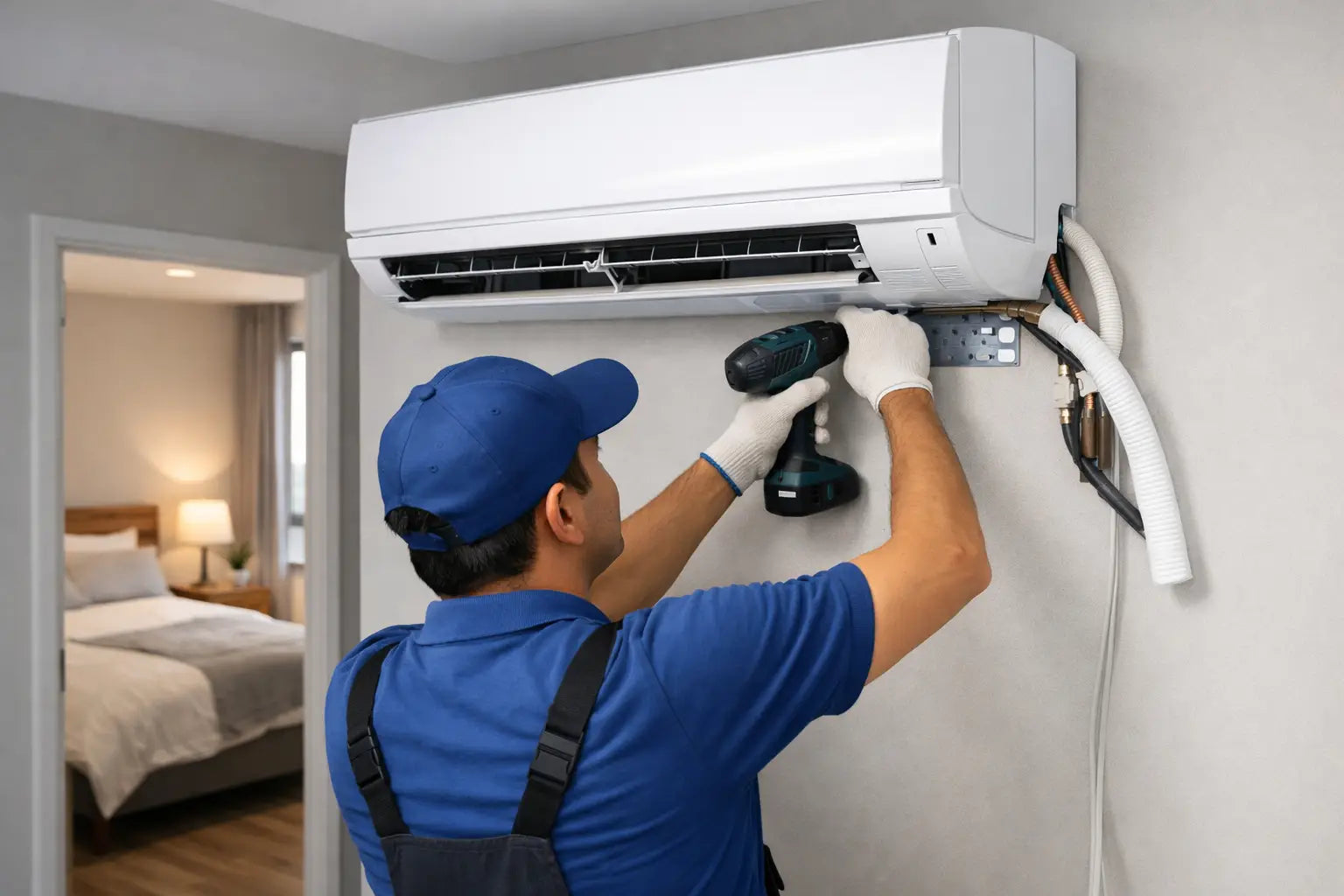
Regular servicing is essential, but it cannot fully compensate for poor installation. Incorrect pipe sizing, weak insulation, undersized electrical cabling, poor drainage gradients, or untidy connections can create recurring problems from day one. That is why installation workmanship and maintenance should be viewed as connected parts of long-term system reliability.
A well-installed system using suitable copper piping, quality insulation, properly routed drainage, and secure electrical connections gives technicians a stronger foundation to maintain. It also makes fault finding more straightforward if a problem occurs later. Choosing solely on the lowest installation price can cost more when repairs, leaks, or premature replacement enter the picture.
Set a service schedule before your air conditioner gives you a reason to. A small, planned maintenance visit is usually easier on your budget, your property, and your daily comfort than an urgent call when the cooling stops.