How to Spot Bad Aircon Installation Fast
The problem with bad aircon installation is that it rarely announces itself on day one. The system may turn on, blow cold air for a while, and look acceptable from a distance. Then a few weeks later, you notice water dripping, weak airflow, strange noise, or electric bills that make no sense. If you want to know how to spot bad aircon installation, the real test is not whether the unit runs. It is whether the whole system was installed neatly, safely, and with long-term reliability in mind.
In homes and businesses alike, poor workmanship usually shows up in small warning signs first. Catch them early and you may avoid compressor strain, refrigerant leaks, wall stains, repeat servicing, and expensive rework.
How to spot bad aircon installation from the start
A proper installation should look organized, feel solid, and perform consistently. If something seems rushed, uneven, or improvised, there is usually a reason.
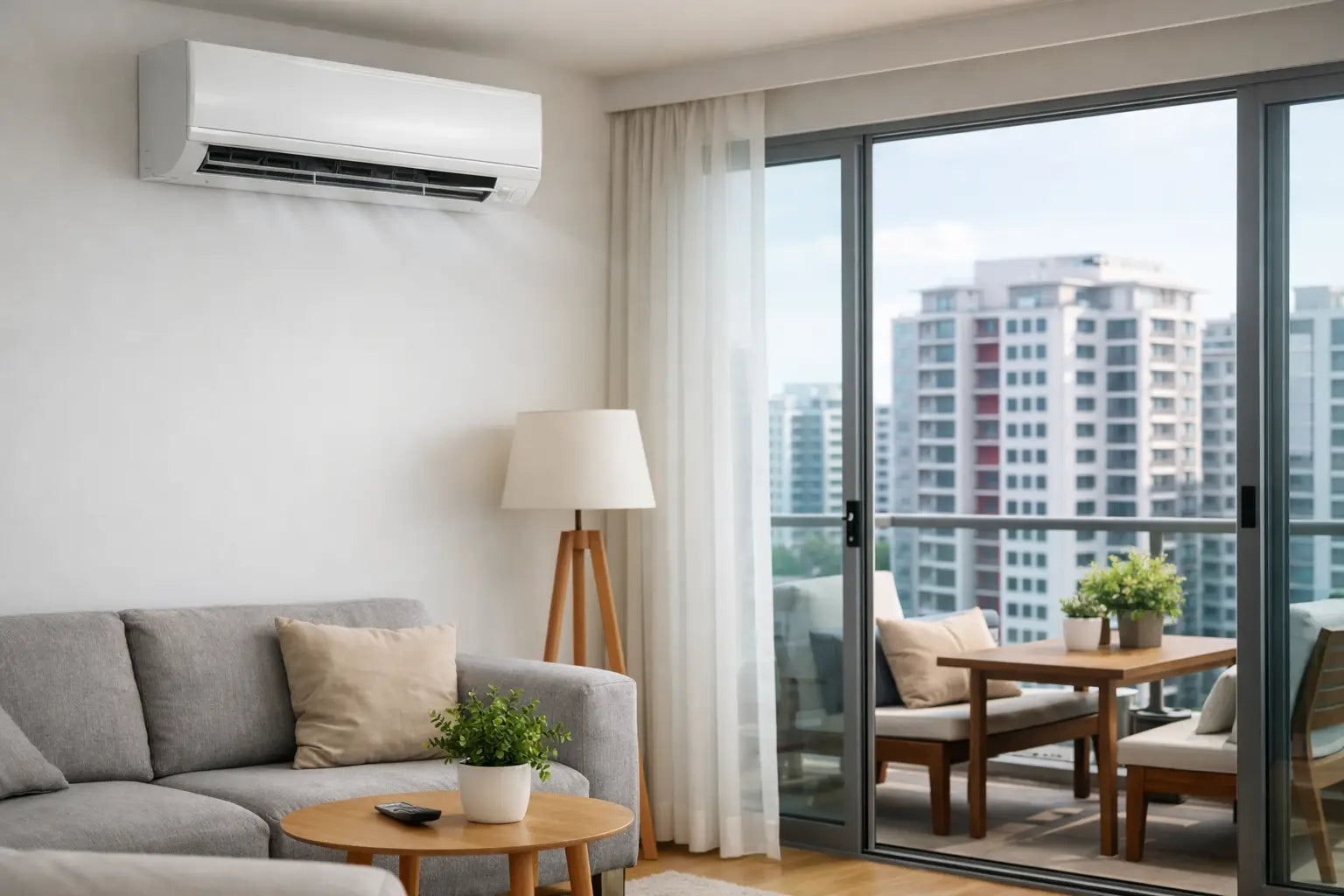
Start with the indoor unit. It should sit level on the wall, not tilted or loosely mounted. If the unit looks slanted, that can affect drainage and lead to water leaking indoors. The casing should be aligned cleanly, without obvious gaps between the unit and the wall. A neat finish matters because visible care often reflects hidden workmanship.
Next, look at the piping route and trunking. Good installation work keeps piping as short and direct as practical while protecting it properly. Messy bends, oversized holes, exposed insulation, or trunking that does not close neatly are warning signs. Poor piping work is not only unattractive. It can reduce efficiency, cause condensation, and make future servicing more difficult.
The outdoor unit also tells a story. It should be firmly supported, placed with enough clearance for ventilation, and installed in a way that allows service access. If it vibrates excessively, sits unevenly, or appears squeezed into a tight space with poor airflow, the system may struggle over time.
Performance issues that point to poor workmanship
Some installation problems are visual. Others show up in the way the system behaves.
If the room takes too long to cool, installation quality may be part of the issue. That does not always mean the brand is poor or the unit is defective. Improper pipe sizing, bad flare joints, refrigerant leakage, poor drainage slope, or weak electrical connections can all affect cooling performance. Sometimes the problem is incorrect system selection, where the unit capacity does not match the room size or usage pattern.
Uneven cooling is another red flag. If one room becomes cold while another stays warm, or if the unit cycles on and off too often, the installation may not have been planned properly. This matters even more in larger homes, offices, retail units, and food and beverage spaces where usage loads vary throughout the day.
Noise is worth paying attention to. A properly installed air conditioner will make normal operational sounds, but it should not rattle, buzz loudly, or produce sharp clicking noises from loose fittings. Indoor noise may point to poor mounting. Outdoor noise may come from unstable brackets, vibration issues, or poor placement.
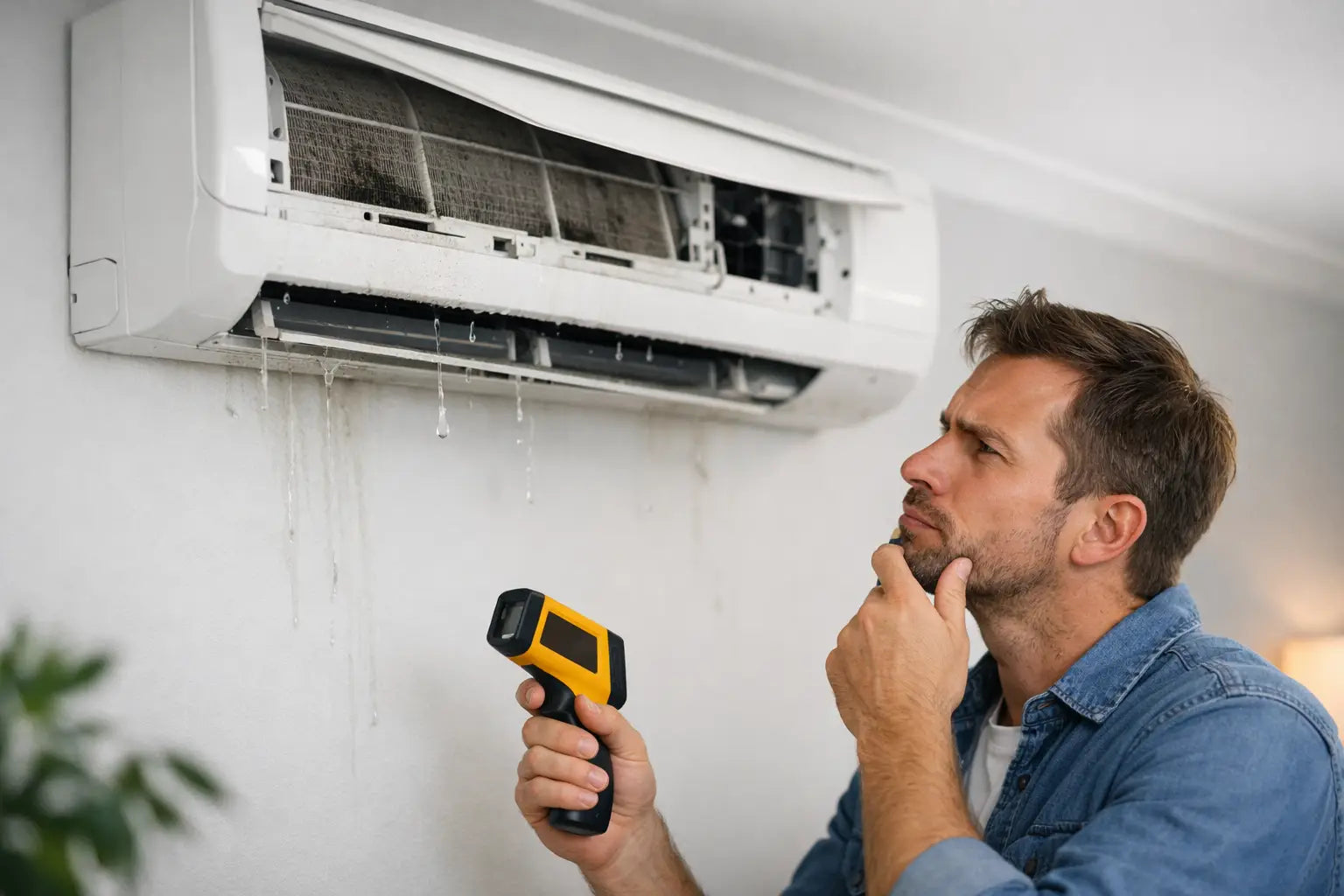
Then there is water. Any dripping from the indoor unit, water marks on the wall, or persistent dampness near the trunking deserves attention. Drainage problems are among the clearest signs of bad installation. In many cases, the drain pipe slope was not set correctly, connections were poorly secured, or insulation was not done well enough to prevent condensation.
The hidden details many buyers miss
One reason bad installation gets overlooked is simple. Most customers focus on the aircon model, not the materials and methods behind it.
Copper piping is a good example. Thicker, better-grade copper is generally more durable and less prone to damage during installation and long-term use. Thin or lower-quality piping may reduce upfront cost, but it can increase the risk of leaks and premature issues. The same goes for insulation. Good insulation helps control condensation, supports cooling efficiency, and protects the system in Singapore's hot, humid conditions.
Electrical work matters just as much. Loose wiring, poor cable quality, or shortcuts in connection work can create performance issues and safety risks. You may not spot these details immediately, but if the installer cannot clearly explain the cable type, pipe grade, insulation standard, and installation process, that is a concern.
Bad installation is often not one dramatic mistake. It is a chain of small compromises - cheaper materials, rushed routing, careless finishing, and limited testing before handover.
How to spot bad aircon installation before problems get worse
If your system is already installed, a simple check around the property can reveal a lot.
Stand under the indoor unit and look for straight alignment, secure casing, and clean finishing. Open the front panel if possible and check whether it feels properly fitted rather than flimsy or misaligned. Walk along the piping route and inspect the trunking. It should be neat, tightly closed, and sensibly planned rather than zigzagged across the wall without care.
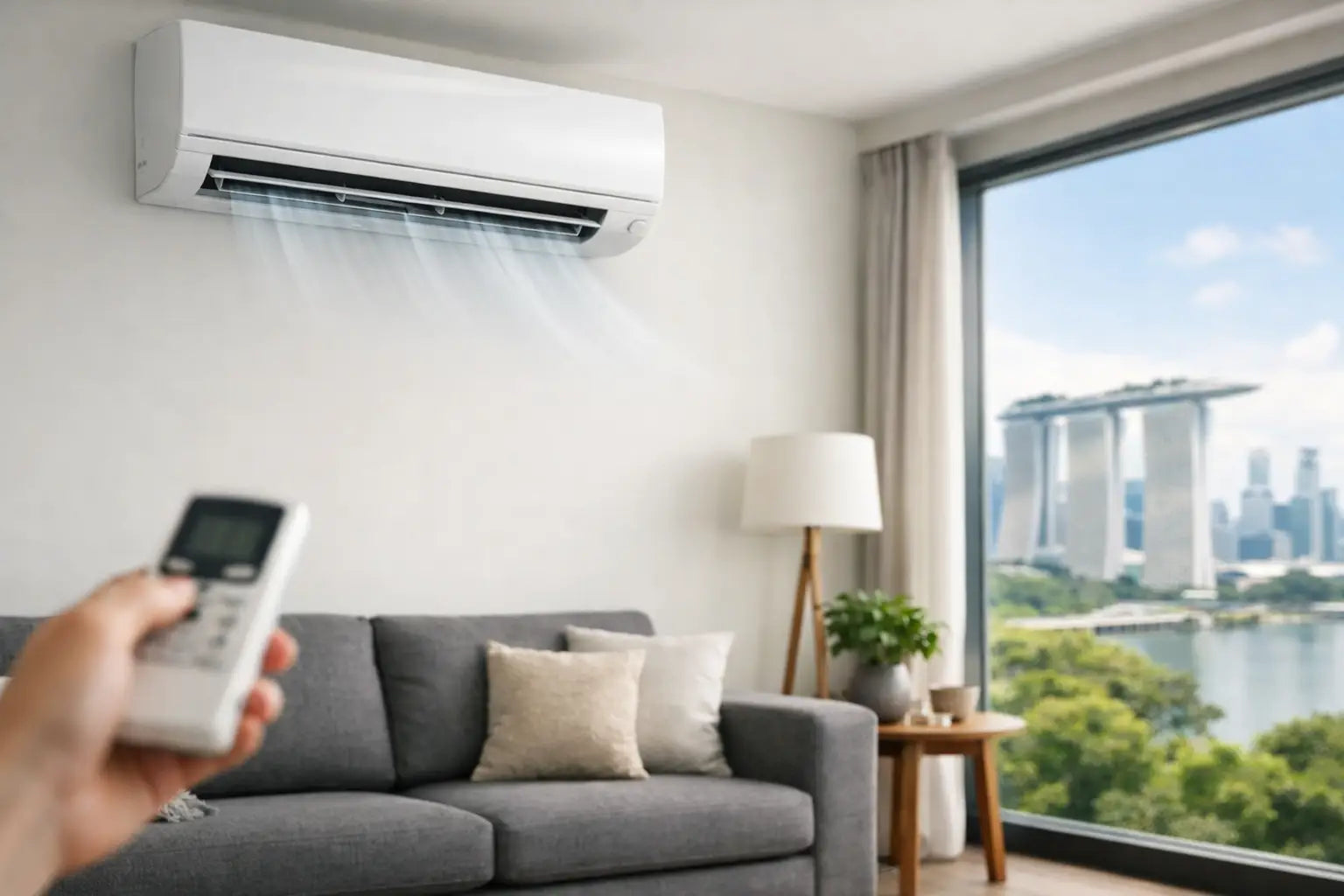
Listen to the system during startup and while running for 15 to 20 minutes. If the noise level changes sharply, or the unit shakes more than expected, something may be off. Feel whether airflow is strong and consistent. If the room remains stuffy long after startup, that should not be ignored.
Check for water after a cooling cycle, especially around the indoor unit, wall area, and drain outlet. A leaking problem caught early is far easier to fix than one that leads to stained walls, damaged furniture, or mold.
Finally, ask whether the installer performed proper testing. A serious installation job should include pressure testing, vacuuming, drainage checks, and operational testing. If the team simply mounted the units, switched them on briefly, and left, that is not a strong sign.
When bad installation is actually bad planning
Not every disappointing result comes from sloppy hands. Sometimes the issue starts earlier, at the recommendation stage.
If the installer did not ask enough questions about your room size, sun exposure, ceiling height, occupancy, or business operating hours, the system may have been underspecified or poorly configured. A bedroom, open-plan living area, office server room, and restaurant dining space do not have the same cooling needs. Good installation includes proper planning, not just physical mounting.
This is where experienced, in-house teams usually have an advantage. They are easier to hold accountable, and they tend to follow a more consistent installation standard. For customers who care about long-term value, that structure matters just as much as the brand name on the unit.
What good installation should feel like
A well-installed aircon system should not leave you second-guessing. The cooling should be steady. The unit should look neatly integrated into the space. The piping should be tidy. The noise should be normal, not disruptive. And if you ask about materials or workmanship, the contractor should be able to answer clearly without sounding evasive.
Premium installation is not about making the job look expensive. It is about reducing future problems. Better insulation, stronger copper piping, proper drainage setup, clean electrical work, and careful testing all support the same goal - reliable cooling with fewer callbacks.
That is why many experienced buyers no longer compare quotations on unit price alone. They look at what is included, how the job will be executed, and whether the installer has a real after-sales structure. Commercestar Engineering has built its reputation around exactly that point: installation quality is not an extra, it is the product.
A quick rule for homeowners and business owners
If an aircon installation looks rushed, sounds noisy, leaks water, cools unevenly, or comes with vague answers about materials and testing, trust that instinct. Good workmanship usually looks organized and performs quietly. Bad workmanship tends to reveal itself in mess, shortcuts, and recurring issues.
The safest time to question an installation is early, before a small defect becomes an expensive repair. A reliable aircon system should give you comfort, not clues that something went wrong behind the cover panels.