Best Aircon for BTO Flats in Singapore
You usually notice a bad aircon choice only after move-in day. The bedrooms cool unevenly, the living room takes too long, the compressor is louder than expected, or the installation leaves you with messy trunking and future maintenance problems. That is why choosing the best aircon for BTO flats is not just about brand names or promotions. It is about matching the system to your layout, daily usage, and installation quality from day one.
For most BTO homeowners, the decision comes down to a practical question: what will cool the flat well without creating unnecessary servicing headaches or wasted electricity? The right answer depends on room count, how often you use the aircon, whether you cool the whole home or only bedrooms, and how much value you place on long-term reliability over the lowest upfront price.
What makes the best aircon for BTO flats?
BTO flats are not all the same, but they do share a few planning constraints. Space is tighter, piping routes matter, and outdoor unit placement can affect both installation neatness and future service access. A system that works well in a larger condo may not be the smartest fit for a compact 3-room or 4-room BTO layout.
The best aircon for BTO flats usually has four qualities. First, it must be properly sized. Oversized systems can short cycle and waste energy, while undersized ones struggle to cool and run longer. Second, it should have dependable inverter performance because many households use aircon nightly in bedrooms. Third, spare parts and service support should be easy to get. Fourth, the installation must be done with good materials and proper planning, because even a strong brand can underperform if the workmanship is poor.
That last point gets ignored too often. Homeowners compare brochures and star ratings, then treat installation like an add-on. In reality, insulation grade, copper pipe thickness, drainage planning, wiring quality, and trunking execution have a direct effect on system lifespan and cooling consistency.
Choosing by BTO flat type and usage
For a 2-room or compact 3-room BTO, a System 2 or System 3 setup is often enough, especially if you mainly cool the bedrooms at night and use the living room less often. In these homes, efficiency and low noise tend to matter more than maximum cooling power. You want a system that handles regular nighttime use without driving up utility bills.
For a 4-room BTO, System 3 and System 4 are the most common choices. If the household uses only two bedrooms consistently, a well-planned System 3 may be more cost-effective. If the living room also needs frequent cooling, or you expect family members to use different rooms at the same time, System 4 gives better flexibility.
For 5-room or larger BTO layouts, the answer becomes more usage-dependent. Some households still do well with a System 4 if they rarely cool every room at once. Others benefit from a stronger multi-split arrangement or a more carefully balanced capacity mix between indoor fan coil units and the outdoor condenser.
This is where many buyers make an avoidable mistake. They assume more indoor units automatically means better coverage. It does not. Capacity allocation matters. A larger master bedroom, a sun-facing common room, and an open living-dining area do not have equal cooling demands.
Which brands are usually strong options?
In Singapore, several brands consistently come up when homeowners shortlist the best aircon for BTO flats. Mitsubishi Starmex remains popular because it has a strong track record in HDB homes, quiet operation, and broad familiarity among service technicians. Daikin is another solid option, especially for homeowners who want a balance of energy efficiency, dependable cooling, and established service support.
Panasonic often appeals to buyers who value air purification features and a comfortable user experience. Mitsubishi Heavy Industries is well regarded by homeowners who prioritize strong engineering, durable performance, and steady cooling output. Fujitsu also has a loyal customer base for reliable residential use.
There is no single winner for every flat. Some brands are better known for quiet bedroom performance. Some are favored for stronger cooling feel. Some attract budget-conscious buyers who still want inverter efficiency from names like Midea, Haier, or LG. The right choice depends on your budget range, feature preferences, and how long you expect to stay in the flat.
If you are planning to live in the unit for many years, paying for a more proven system and a better installation package usually makes financial sense. If your main goal is staying within a strict renovation budget, a value-driven brand may still work well if the installation is done correctly and after-sales support is reliable.
Why installation quality matters as much as the aircon brand
A well-known aircon brand can still fail early if the installation is rushed. This is especially relevant in BTO flats, where concealed routes, beam positions, and trunking aesthetics need proper planning before work starts.
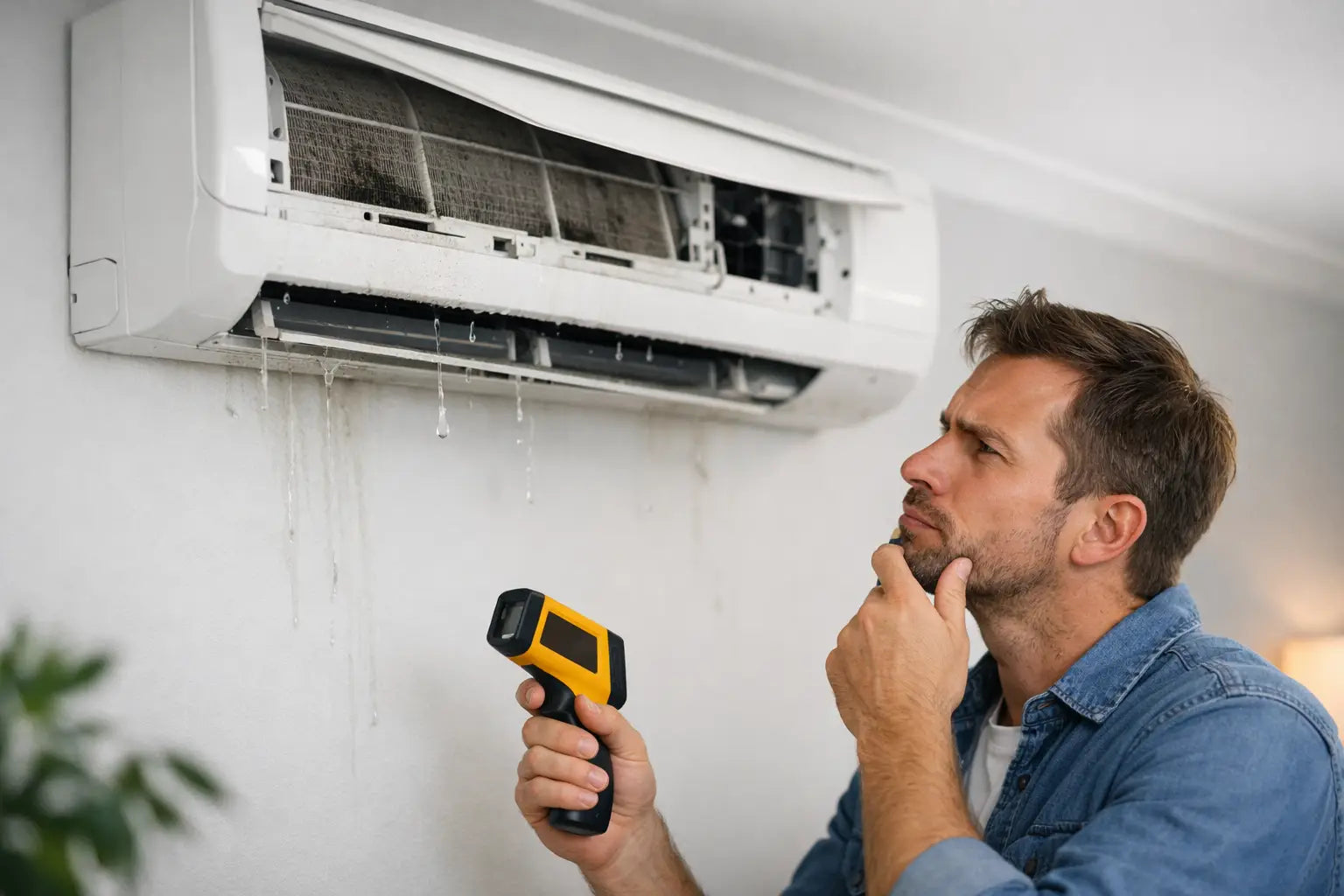
Good installation is not just about mounting the units straight. It includes using quality insulation that reduces condensation risk, thicker copper piping for durability, proper vacuuming before gas release, neat drainage routing, and electrical materials that can handle long-term use safely. These details are less visible during handover, but they are exactly what separates a smooth ownership experience from recurring leaks, poor cooling, and repair costs.
This is also why many homeowners prefer an installer with a managed in-house team instead of loosely coordinated subcontractors. When one company controls the workmanship standard, material quality, and after-sales responsibility, the process is simply easier to trust. For homeowners who want premium installation with upgraded materials and clear accountability, companies like Commercestar Engineering have built their reputation around that difference.
Features worth paying for, and features you can treat as optional
For most BTO buyers, inverter technology is not optional. It is the baseline for efficiency and stable cooling. Quiet mode is also worth prioritizing, especially for light sleepers and children’s rooms. A strong energy efficiency rating matters if you expect daily use.
Smart app control is convenient, but not essential for everyone. It helps if you like pre-cooling the room before arriving home or managing usage remotely, but it should not outweigh core factors like reliability and installation quality. Air purification features can be useful, especially for households concerned about dust or allergens, though they should be seen as a bonus rather than the main reason to choose a system.
The more useful question is whether a feature solves a real daily need. If it does, pay for it. If it just looks impressive on a product sheet, keep your focus on performance, support, and durability.
Common mistakes BTO homeowners make
One common mistake is buying based only on promotional price. Lower package pricing can look attractive until you realize it may come with basic materials, limited installation scope, or unclear after-sales terms. Another mistake is choosing capacity based on guesswork rather than room size and usage pattern.
Some homeowners also prioritize concealed piping appearance without asking what compromises are being made behind the finish. A neat result matters, but not if drainage falls are poor or service access becomes difficult later. Others wait until renovation is almost complete before planning the aircon layout, which reduces flexibility and can lead to awkward trunking routes.
The smart approach is to make the aircon decision early, coordinate it with renovation plans, and ask detailed questions about installation materials, testing process, and warranty support.
How to decide with confidence
If you want the best aircon for BTO flats, start with your real usage pattern. Ask yourself which rooms will be cooled most often, whether the living room needs daily coverage, and how sensitive you are to noise and electricity costs. Then narrow your shortlist to brands with a strong service presence and proven residential performance.
After that, compare installers just as carefully as you compare the systems. Ask what insulation, copper pipe grade, and electrical materials are included. Ask whether the team is in-house. Ask how they plan piping routes for your flat layout. Ask what happens if you need support after installation.
A good aircon setup should feel boring in the best way. It cools quickly, runs quietly, looks neat, and does not keep giving you reasons to call for repairs. That is usually not the result of picking the cheapest package or the flashiest feature set. It comes from choosing a suitable system and having it installed properly, with long-term ownership in mind.
When you get those two things right, your aircon becomes one less thing to worry about after collecting your keys - and that peace of mind is often the best value in the entire purchase.