Mitsubishi Starmex vs Daikin: Which Fits?
If you are comparing Mitsubishi Starmex vs Daikin, you are probably already past the stage of asking which brands are "good." In Singapore homes, both are established choices. The real question is which one fits your space, your usage habits, and just as importantly, whether the system is installed properly enough to perform the way it should.
That last part gets overlooked too often. A strong brand can still disappoint if the piping, insulation, drainage, and commissioning work are poorly handled. So while brand comparison matters, long-term satisfaction usually comes down to the full package - system selection, installation quality, and after-sales support.
Mitsubishi Starmex vs Daikin at a glance
For most homeowners, Mitsubishi Starmex is often associated with quiet operation, dependable day-to-day performance, and strong popularity in HDB and condo installations. Daikin is widely recognized for energy-efficient systems, broad model availability, and a long-standing reputation in residential and commercial cooling.
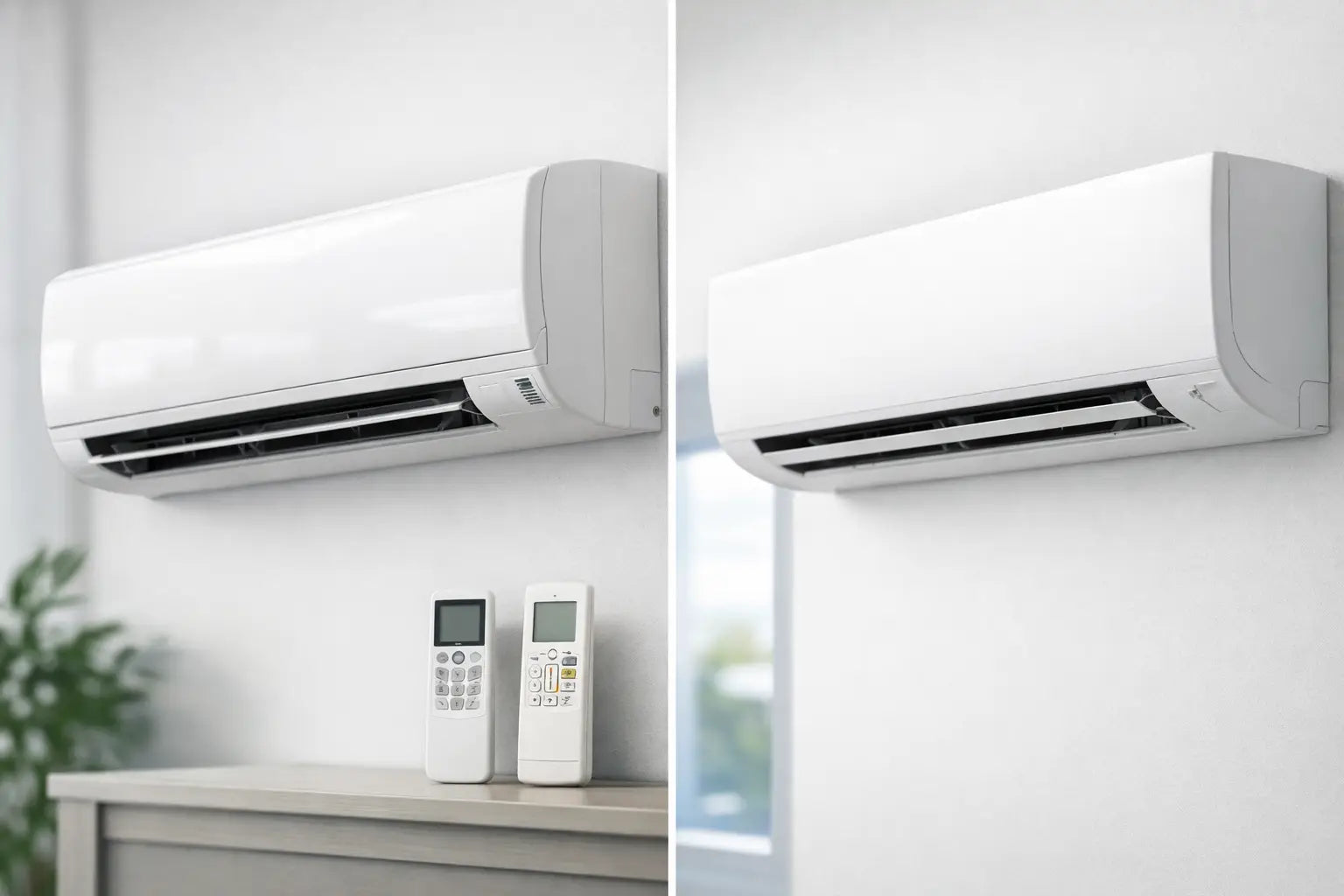
Neither brand is automatically better in every case. If you want a simple answer, Mitsubishi Starmex tends to appeal to buyers who prioritize a very familiar residential option with a strong track record in local homes. Daikin often appeals to buyers who want a wide range of configurations and who are comparing efficiency features closely.
The right choice depends on how many rooms you are cooling, how long the units run each day, whether your rooms heat up heavily in the afternoon, and how much you care about noise, controls, and serviceability over time.
Cooling performance and everyday comfort
In actual home use, both brands cool well when matched correctly to the room size. A bedroom that needs a smaller fan coil and a living room that needs a higher-capacity unit should not be treated the same. If sizing is off, you may end up blaming the brand when the real issue is system planning.
Mitsubishi Starmex is often chosen for bedrooms because users tend to like its quiet and steady operation. If your main priority is sleeping comfort, that can matter more than any brochure spec. Daikin also performs well in this area, but some buyers compare the feel of airflow and sound profile rather than pure cooling speed.
For larger living spaces or homes with heavier daytime heat load, either brand can work well if the outdoor unit and indoor units are selected correctly. The difference is usually not whether one can cool and the other cannot. It is whether the proposed combination is optimized for your layout and usage pattern.
That is why a site-based recommendation matters. A west-facing master bedroom, an enclosed study, and an open living-dining area all behave differently.
Noise levels
Noise is one of the biggest deciding factors once people narrow down to these two brands. Mitsubishi Starmex has a strong reputation for quiet indoor operation, which is why many homeowners shortlist it quickly. Daikin is also capable of quiet performance, but perception varies depending on model series and fan speed settings.
Outdoor unit noise matters too, especially in condos, service yards, and tighter ledges. A properly mounted condenser with neat piping support and correct installation practices can make a noticeable difference in vibration and sound transmission.
Energy efficiency and running cost
When buyers compare Mitsubishi Starmex vs Daikin, electricity bills are usually close behind. Both brands offer inverter systems designed to reduce energy consumption, but your actual monthly cost depends on more than the brand name.
Usage pattern is a major factor. If your aircon runs overnight in bedrooms and heavily on weekends in common areas, inverter efficiency helps, but thermostat settings, room insulation, sun exposure, and servicing condition all affect results. A clogged coil or low refrigerant condition can push up power usage regardless of brand.
Daikin is often viewed as a strong contender by buyers who focus heavily on efficiency ratings and system options. Mitsubishi Starmex also remains popular among owners who want a reliable inverter setup without overcomplicating the buying decision. In practical terms, the difference in running cost between correctly sized, properly maintained systems is often smaller than people expect.
If budget matters, it is better to look at total ownership cost rather than unit price alone. A slightly cheaper installation can become expensive later if it uses thinner copper, lower-grade insulation, poor trunking work, or weak drainage planning.
Reliability and maintenance reality
Both brands have solid reputations, but no aircon is maintenance-free. In Singapore's climate, frequent use means servicing discipline matters. Filters need cleaning, coils need proper care, and drainage issues need to be caught early before they become leaks or water damage.
Mitsubishi Starmex is commonly seen as a dependable residential choice with readily familiar systems for many homeowners. Daikin is also widely supported in the market and remains a common option across homes and businesses. That broad presence is useful because it usually means technicians are familiar with the systems.
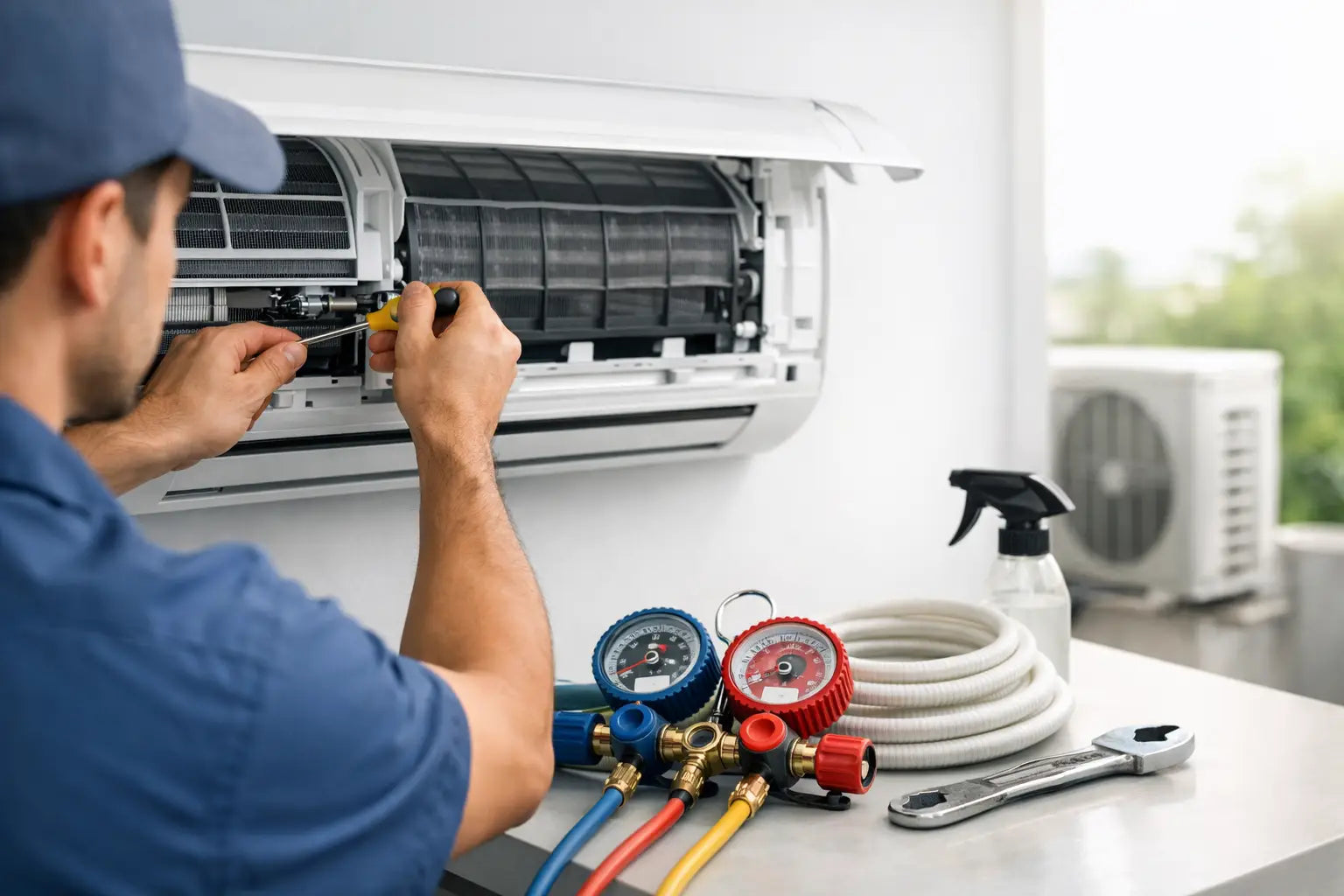
Still, reliability is not only about the brand's engineering. It is also about whether the installer flared joints properly, pressure tested the system, vacuumed the lines thoroughly, and used durable materials from the start. Poor workmanship can create gas leaks, weak cooling, and compressor strain that unfairly get blamed on the manufacturer.
Servicing and spare parts
For most buyers, service support is less exciting than features, but it matters more over five to ten years. Both Mitsubishi Starmex and Daikin are mainstream enough that servicing familiarity is generally not a problem. What matters more is whether your installer or service provider is responsive, transparent, and structured in how they handle maintenance and warranty-related issues.
That is why many experienced buyers choose a contractor based not just on brand pricing, but on how clearly the company explains materials, installation scope, and after-sales process.
Installation quality matters more than most comparisons admit
This is where many online comparisons fall short. They spend too much time debating brand features and not enough time on the installation standard that protects system performance.
A good system installed badly can give you years of frustration. Water leaks, sweating insulation, noisy piping, poor drainage fall, and concealed gas loss often start with shortcuts during installation. On paper, Mitsubishi Starmex and Daikin are both reputable. On site, the difference between a smooth ownership experience and repeated call-backs usually comes down to workmanship.
That means you should ask what copper thickness is being used, what insulation grade is included, how drainage routing is planned, whether vacuuming and pressure testing are standard, and whether the installation team is in-house or outsourced. These are not small details. They affect cooling stability, longevity, and future service access.
A premium installation using better insulation, thicker copper, and proper commissioning can protect your investment far more than chasing the lowest package price.
Which brand suits different buyers?
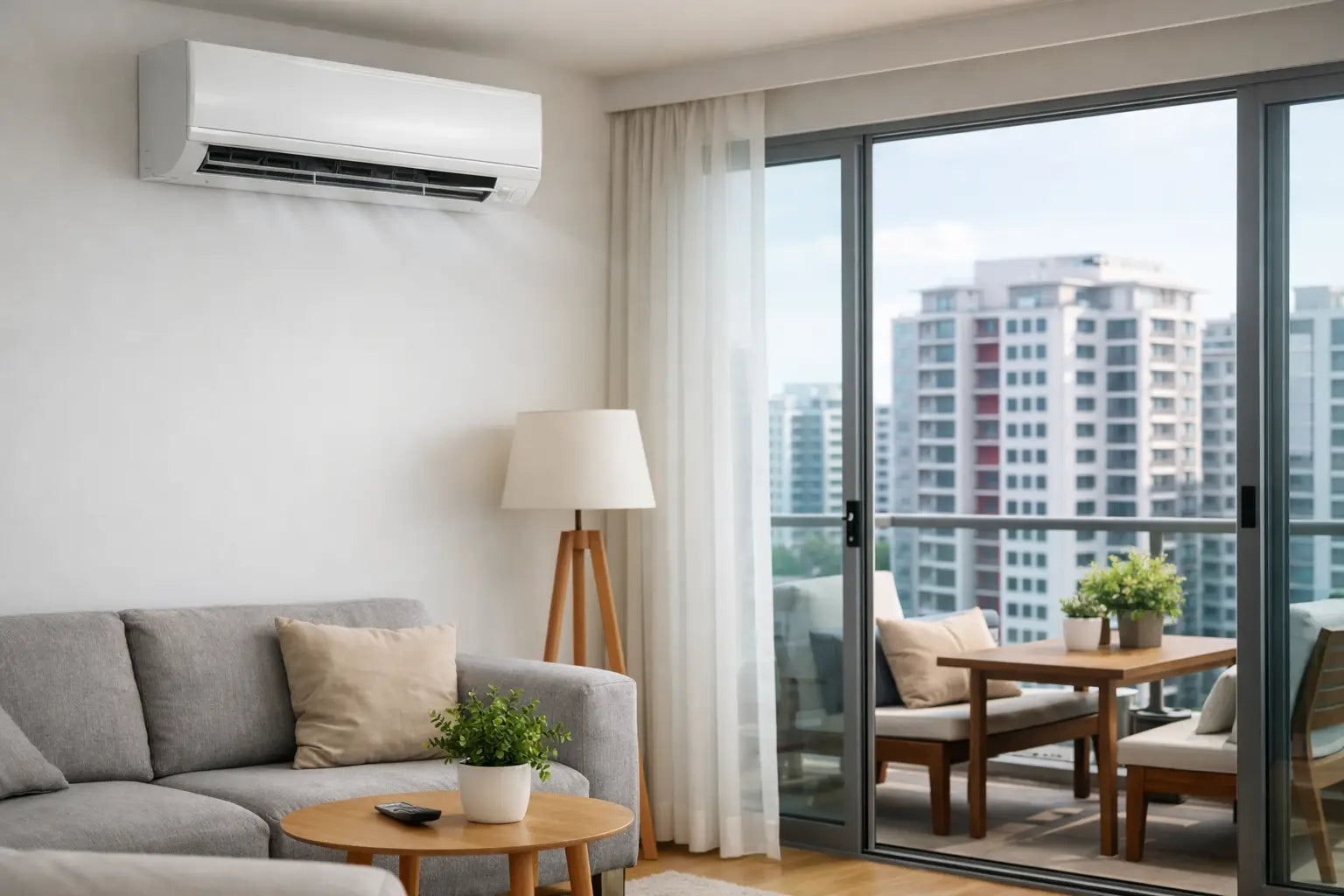
For a typical HDB or condo owner who wants a familiar, proven residential system with strong comfort appeal, Mitsubishi Starmex is often an easy shortlist. It tends to suit buyers who want quiet bedrooms, predictable performance, and a widely chosen home aircon brand.
Daikin may suit buyers who want to compare a broader selection of models and who place more weight on specific efficiency preferences or brand familiarity from prior use. It can also be a comfortable choice for those who already know the brand through previous residential or commercial setups.
If you are outfitting a home for long nightly usage, especially in bedrooms, you may lean toward the model series that feels quieter and more comfortable to you. If you are comparing system combinations across a more complex layout, Daikin's range may be attractive. If your main concern is not brand prestige but fewer future headaches, then installation standards should be the deciding factor.
For businesses, the question can shift slightly. Offices, retail shops, and small commercial units may care less about bedroom-level quietness and more about cooling consistency, service responsiveness, and planning the right capacity for operating hours.
So, which should you choose?
If both quotes are based on the correct capacity, proper materials, and a trustworthy installer, there is no reckless choice between the two. Mitsubishi Starmex is a strong option for homeowners who want a quiet, proven residential favorite. Daikin is a strong option for buyers who want a reputable brand with solid efficiency credentials and broad system availability.
If one package looks much cheaper, read the installation scope carefully before getting excited. The brand on the box matters, but the materials behind the trunking and the standards behind the workmanship matter longer. That is why many homeowners and business owners speak with specialists such as Commercestar Engineering not just to compare brands, but to make sure the full system is specified and installed correctly.
The best aircon choice is the one that keeps performing years after installation, when the sales pitch is long over and you simply expect the room to cool properly every day.