How Long Does Aircon Installation Take?
If you have movers coming tomorrow, tenants arriving this weekend, or a shop fit-out already running behind, one question matters fast: how long does aircon installation take? The short answer is that most standard residential installations can be completed within the same day, while larger, more complex, or commercial jobs may take longer depending on site conditions, system type, and finishing work.
That simple answer helps, but it rarely tells the whole story. Installation time is not just about mounting indoor units and switching on the system. It also includes planning the pipe route, drilling, running copper piping and insulation, connecting drainage, setting the outdoor unit safely, vacuuming the system properly, testing, and making sure the finish is neat. If any of those steps are rushed, you may save an hour now and pay for it later in leaks, weak cooling, water drainage issues, or premature system wear.
How long does aircon installation take for a home?
For a typical home, the timeline depends mainly on how many indoor units are being installed and whether the place is a straightforward replacement or a first-time installation.
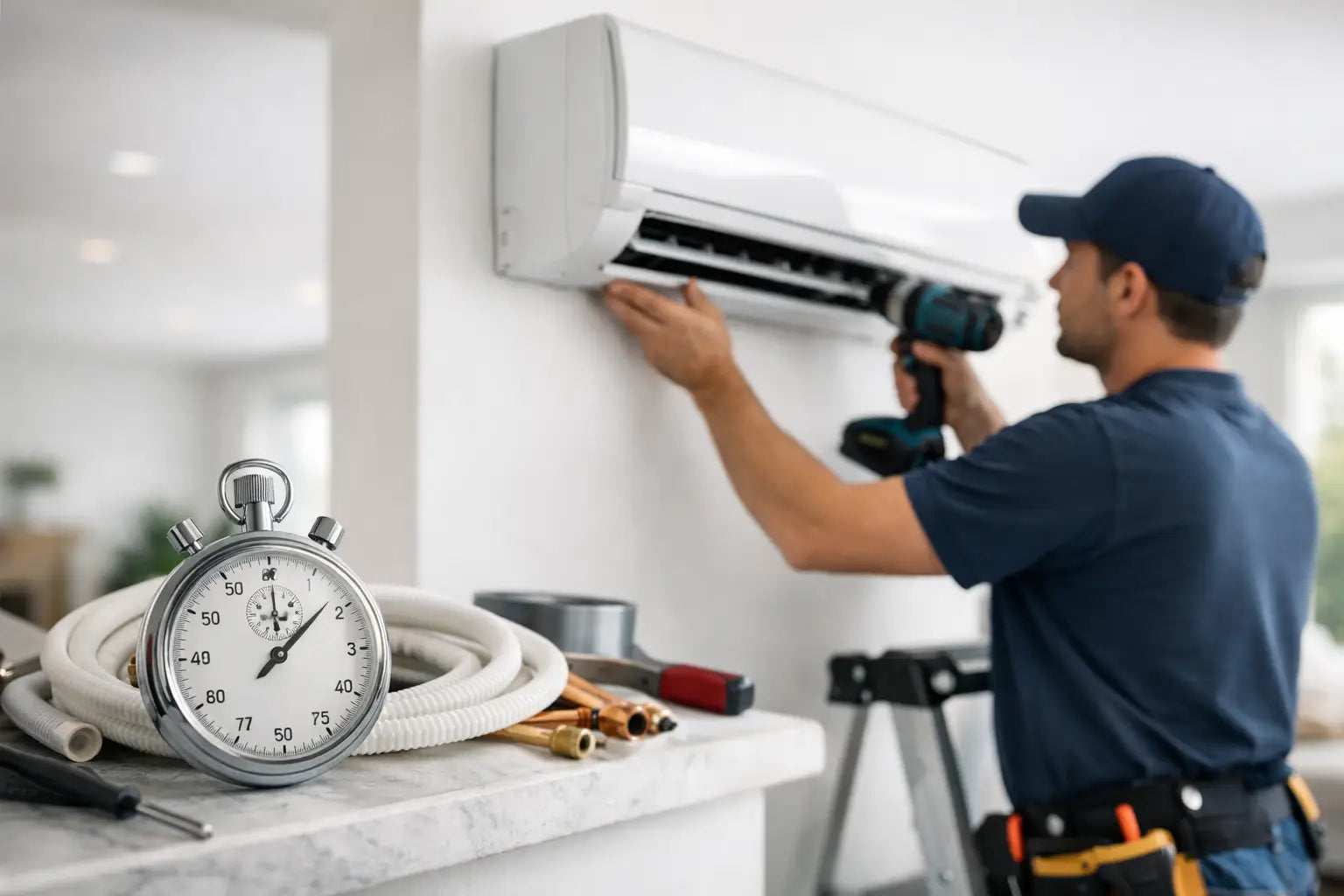
In many condos, resale apartments, and houses where there is already an existing setup, replacing a like-for-like system is often faster. A standard installation for one to two indoor units may take around four to six hours. A full system with three to four indoor units usually takes about six to eight hours if access is clear and the piping route is not unusually difficult.
For first-time installations, the job often takes longer. That is especially true in new homes, renovation projects, or properties where the piping has to be planned from scratch. In those cases, installers may need a full day, and sometimes more if there are additional finishing works involved.
The main point is this: a good installation should feel organized, not hurried. If a contractor promises an unrealistically short timeline without even checking your layout, that should raise questions.
What affects aircon installation time?
The biggest factor is job complexity. A clean replacement in a home with existing pipe routes is very different from installing a full multi-split system in a new space with concealed piping, wall chasing, or custom trunking.
The number of units also matters. One wall-mounted split unit is a relatively quick job. A System 3 or System 4 setup takes longer because each indoor unit needs proper placement, piping connections, drainage checks, electrical work, and testing. The outdoor condenser position can also slow things down if it is in a tight ledge area, a roof location, or a place with difficult lifting access.
Property type plays a role too. HDB apartments, condos, landed homes, offices, and retail units all come with different site conditions. Some have strict access hours, management approval requirements, or lift booking windows. Commercial spaces may require coordination with renovation schedules, ceiling contractors, or electricians, which affects the installation timeline even when the actual aircon work is straightforward.
Then there is the installation standard itself. Higher-quality workmanship takes time. Proper vacuuming of the refrigerant system, secure pipe support, careful insulation work, accurate drainage slope, and neat finishing are not optional extras. They are part of a reliable installation.
A realistic timeline for different scenarios
A basic replacement for a single split unit may be done in half a day if the old unit is easy to remove and the new one fits the existing route. A two-unit setup can often still be completed within the day.
A three- or four-unit residential system is commonly a full-day job. If there are access issues, long piping runs, upgraded trunking, or box-up work to conceal pipes, the schedule can extend beyond that.
For new renovation projects, it is common for the work to happen in stages. The first stage may involve routing pipes, drainage, insulation, and wiring before ceilings are closed or carpentry starts. The second stage happens later when the indoor and outdoor units are mounted, connected, vacuumed, and tested. In this setup, asking how long the installation takes is not just about labor hours on one day. It is about the full project sequence.
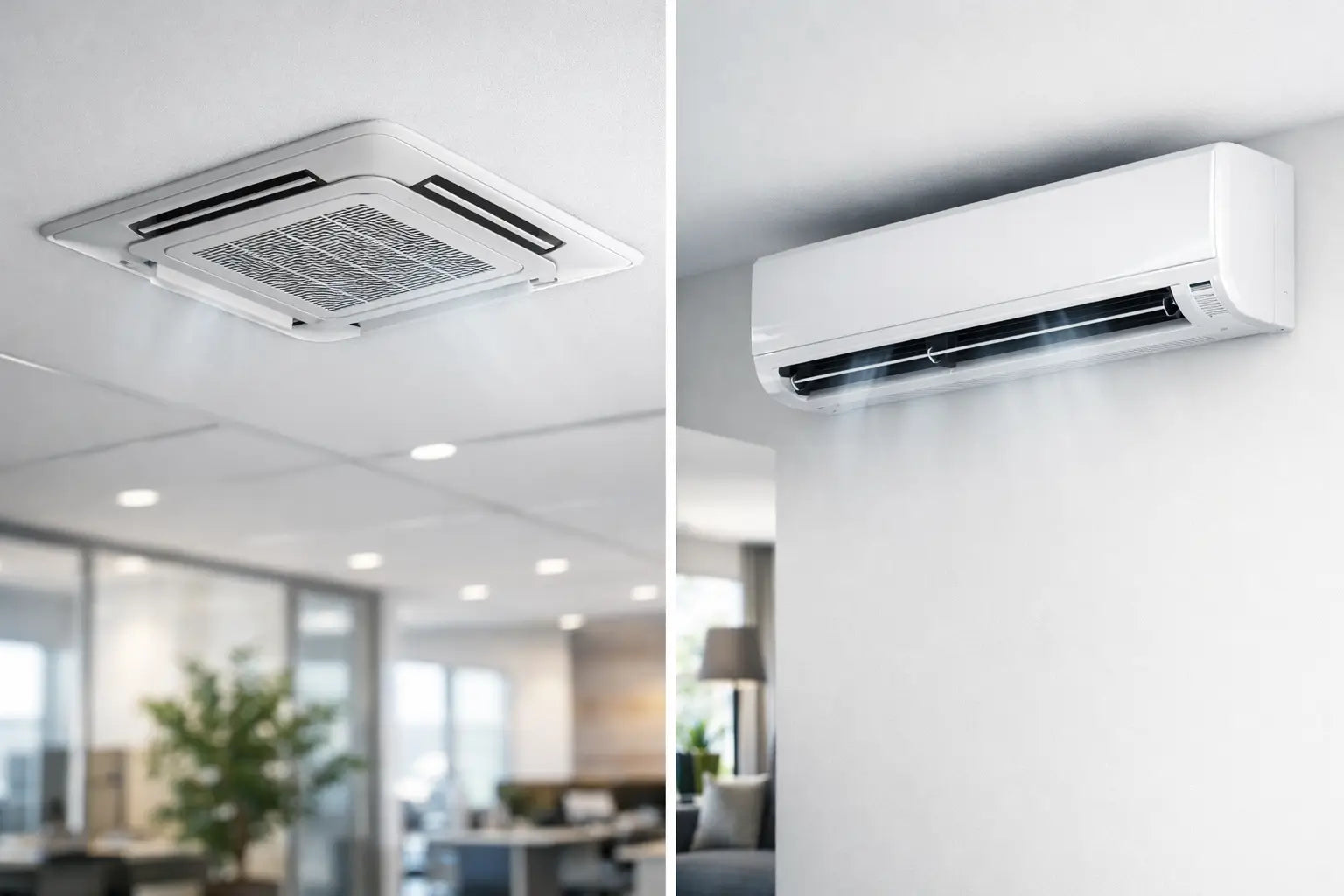
Commercial installations vary much more. A small office or retail unit with a simple split setup might be done quickly. A restaurant, larger office floor, or industrial space may need more planning, additional controls, longer pipe runs, and multiple teams on site. Those jobs should be assessed based on actual layout and cooling requirements, not guesswork.
Why some installations take longer than expected
Delays are not always a bad sign. In many cases, they happen because the team is dealing with real site conditions responsibly instead of cutting corners.
For example, the wall may contain hidden obstructions that affect drilling position. The original pipe route may be poorly done and need correction. Drainage may need to be rerouted to prevent future water backflow. The outdoor unit location may require extra support planning or safer handling. Even small issues like limited access to the ledge, blocked ceiling space, or renovation debris can add time.
What matters is whether the installer communicates clearly. A professional team should explain why the job is taking longer, what was discovered on site, and whether any additional work is necessary. Silence and surprises are usually what frustrate customers, not the extra hour itself.
Faster is not always better
Many buyers focus on price first and timing second. That is understandable, especially when the property handover date is close. But the better question is not only how fast the installer can finish. It is how well they can finish.
An aircon system depends heavily on installation quality. Even a strong brand can underperform if the piping is thin, insulation is poor, drainage is not set correctly, or vacuuming is skipped. On the other hand, a well-installed system using better materials and careful workmanship is more likely to cool efficiently, run reliably, and avoid common issues such as gas leaks, condensation, and noisy operation.
This is where installation standards make a real difference. Better copper thickness, proper insulation quality, reliable cables, and neat execution may not always reduce installation time, but they improve long-term value. That matters far more than saving one rushed afternoon.
How to avoid delays before installation day
A smoother job usually starts before the installers arrive. If you want to keep the timeline on track, make sure the site is ready. Clear access around indoor unit positions, the outdoor condenser area, and any route where piping will run. Confirm whether management approval, lift protection, or permit timing is needed if you live in a condo or manage a commercial property.
It also helps to settle key decisions early. That includes unit placement, trunking direction, drainage route, and whether you want additional finishing such as piping box-up works. Last-minute changes often slow the whole process because the route, materials, and labor plan need to be adjusted on site.
Most importantly, work with a company that inspects properly and explains the installation scope upfront. A detailed quotation and site discussion reduce the risk of misunderstandings later.
What a proper installation day should look like
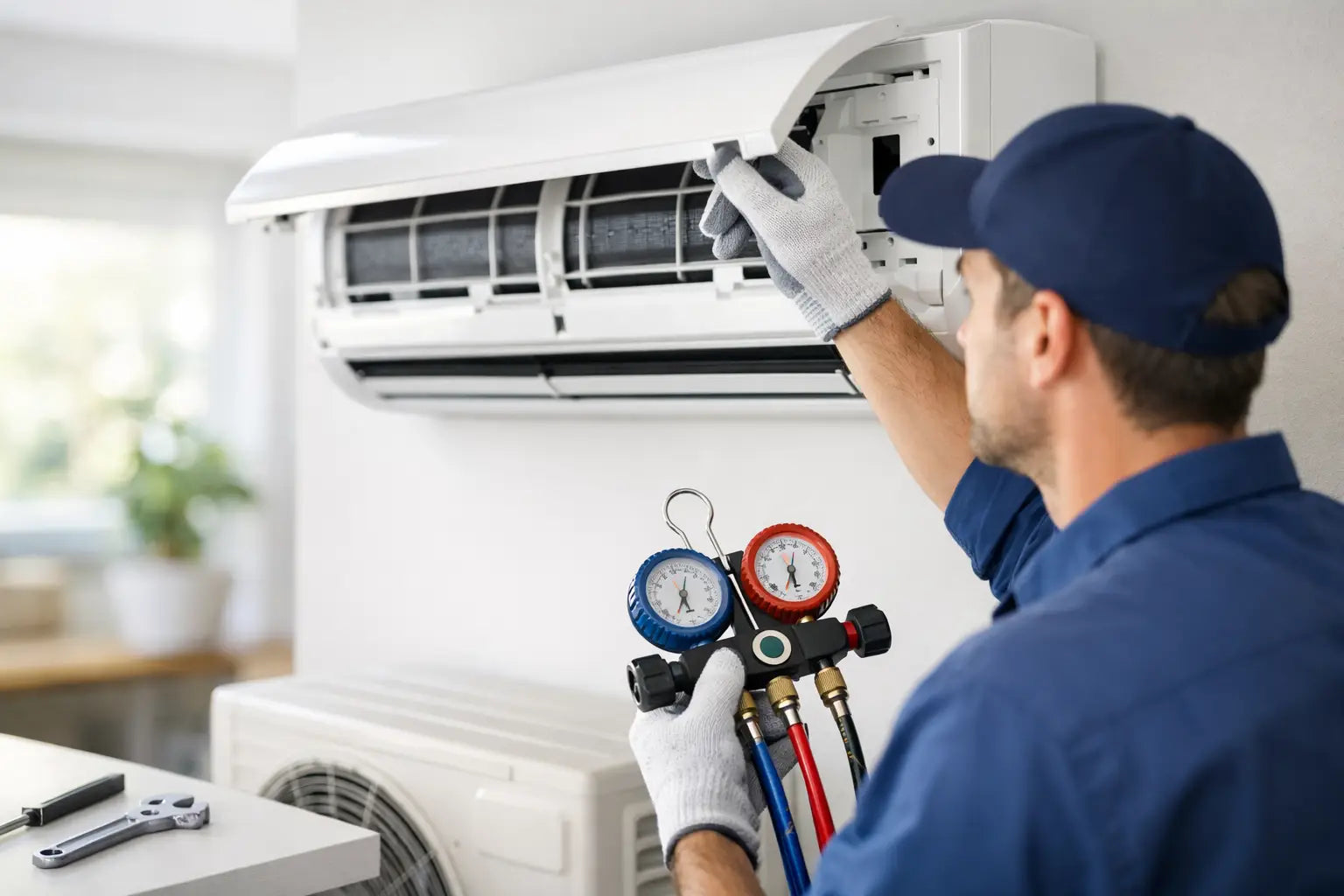
On a well-managed job, the process should feel systematic. The team arrives with the right materials, confirms placement, protects the work area, and starts according to the agreed plan. Drilling, piping, mounting, electrical connections, drainage setup, and insulation work follow in a logical order. After installation, the system should be vacuumed, tested, and checked for cooling performance and drainage.
The finishing also matters. Trunking should be aligned neatly, exposed areas should be clean, and the site should not be left messy. Customers usually remember two things after an installation: whether the aircon works well, and whether the team handled the home or business space with care.
That is why many property owners prefer in-house installation teams with consistent workmanship standards over loosely managed subcontract arrangements. The timeline may be similar, but accountability is often much better.
So, how long should you set aside?
If you are planning a standard home installation, set aside most of the day rather than expecting it to be over in a couple of hours. If it is a larger system, a first-time installation, or part of renovation works, expect a longer timeline and ask whether the job will be done in one visit or stages.
For business owners, build in buffer time. Cooling systems are operational equipment, not just decorative fixtures. If your office, retail unit, or F&B space depends on air conditioning to operate comfortably, planning ahead is better than forcing a rushed installation window.
At Commercestar Engineering, this is exactly why installation planning, premium materials, and neat execution matter so much. The goal is not just to finish the job. The goal is to finish it properly, so the system performs the way it should from day one.
If you are comparing quotes, ask not only how long the job takes, but what will be done during that time. A slightly longer installation backed by better materials, experienced technicians, and clear workmanship standards is usually the smarter choice.