Cassette vs Split Aircon: Which Fits Best?
A ceiling full of lights, sprinklers, and ductwork leaves very little room for guesswork. That is usually when the cassette vs split aircon question stops being theoretical and becomes a real planning decision. Choose well, and the room cools evenly with a cleaner finish. Choose poorly, and you may end up with awkward airflow, visible trunking, or a system that does not match how the space is actually used.
For most buyers, this is not about which unit looks more impressive. It is about whether the air-conditioning system suits the room layout, renovation constraints, cooling load, and maintenance plan. A wall-mounted split air conditioner is often the practical choice for homes and smaller rooms. A cassette unit can be the better fit for larger open areas, commercial interiors, and spaces where balanced airflow matters more than a lower upfront cost.
Cassette vs Split Aircon: The Core Difference
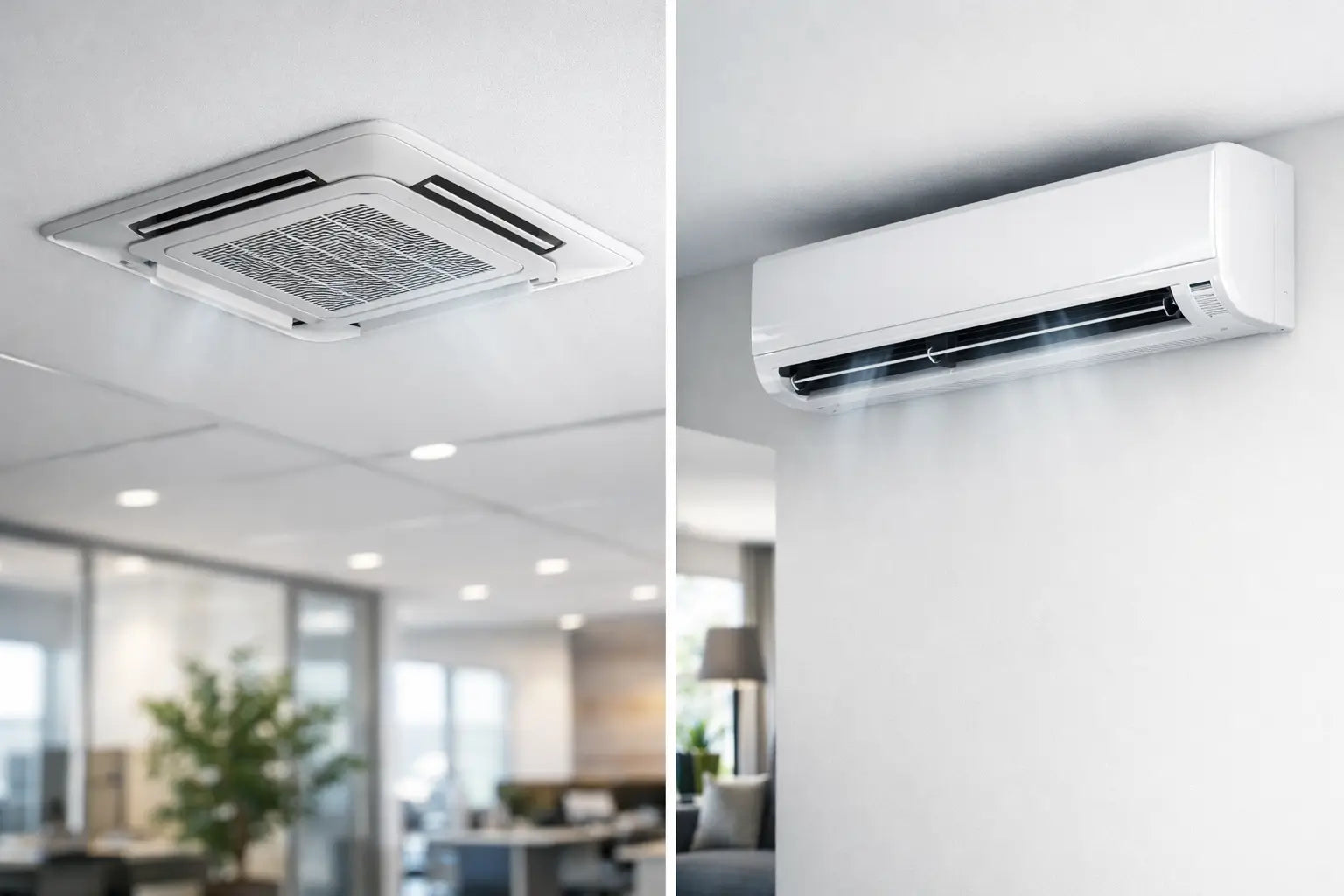
A split air conditioner usually refers to the familiar wall-mounted indoor unit paired with an outdoor condenser. It is common in bedrooms, living rooms, small offices, and apartments because it is efficient, widely available, and straightforward to install in the right conditions.
A cassette air conditioner is also a split system, but the indoor unit is recessed into the ceiling. Only the decorative panel is visible from below. Air is typically discharged in multiple directions, which helps cover a wider area more evenly.
That difference in placement changes almost everything else - how the air moves, how the unit looks in the room, what type of ceiling is required, and how much installation work is involved.
Where a Wall-Mounted Split Aircon Makes More Sense
For homes, wall-mounted split systems are still the default for good reason. Bedrooms do not usually need 360-degree airflow. They need reliable cooling, reasonable energy use, quiet operation, and easy service access. A wall-mounted unit checks those boxes well.
It also works better when there is no false ceiling or when ceiling space is limited. In many residential projects, especially apartments and smaller condos, installing a cassette unit may require extra carpentry or ceiling modification that pushes the project cost up without adding much practical benefit.
Another advantage is zoning. If you have separate rooms with different usage patterns, split units let each room run independently. That helps with comfort and energy control. A bedroom that is only used at night does not need to be cooled the same way as a living room during the day.
From an installation perspective, wall-mounted systems are also more forgiving. The pipe route, power connection, and drainage still need to be planned properly, but the overall setup is usually less demanding than a cassette installation. That matters because installation quality has a direct effect on long-term reliability.
When a Cassette Aircon Is the Better Choice
A cassette unit comes into its own when the space is larger, more open, or more design-sensitive. Think offices, retail stores, classrooms, meeting rooms, salons, restaurants, and reception areas. In these environments, one wall-mounted unit may throw air unevenly, create hot spots, or simply look out of place.
Because a cassette is mounted centrally in the ceiling, it can distribute air more evenly across the room. That becomes especially useful when people are spread out across the space rather than sitting close to one wall. It also helps reduce the common complaint of cold air blasting directly onto one workstation or dining table.
Aesthetics matter too. In a commercial setting, a flush ceiling panel often looks cleaner than multiple wall units with exposed trunking. If the interior is being renovated anyway and there is a proper false ceiling, a cassette system can deliver a more professional finish.
For some larger residential spaces, such as big open-plan living and dining areas, a cassette may also be worth considering. But this only makes sense if the ceiling condition, structural constraints, and service access are handled properly from the start.
Airflow and Comfort Are Not the Same Thing
This is where buyers often focus too much on BTU numbers and not enough on room behavior. Cooling capacity matters, but airflow pattern matters just as much.
A wall-mounted split air conditioner pushes air from one side of the room. In a smaller enclosed room, that is usually enough. In a long or irregularly shaped space, it can lead to uneven cooling. One corner feels cold while another still feels warm.
A cassette system generally spreads air in four directions, which improves coverage in open layouts. That does not automatically mean it is always more comfortable. If the ceiling height is too great, if the unit is oversized, or if the seating layout sits directly under the discharge pattern, the experience can still be poor.
Good cooling is never just about the type of unit. It depends on sizing, placement, insulation, heat load, and installation standards. That is why proper site assessment matters more than brochure claims.
Installation Complexity and Cost
If budget is a major factor, split systems usually win the cassette vs split aircon comparison. The equipment cost is often lower, and the installation is generally simpler. There is less ceiling work, fewer access complications, and a more familiar setup for most residential projects.
Cassette units tend to cost more upfront. The indoor unit itself is more specialized, and installation may require a suspended ceiling, adequate ceiling void space, proper drainage fall, and coordinated placement with lighting and other ceiling services. If the site is not prepared well, the labor and finishing costs can climb quickly.
That does not mean cassette systems are poor value. It means they need the right environment to justify the investment. In a commercial fit-out where a false ceiling already exists, the added cost may be reasonable. In a home with no ceiling void and limited renovation plans, it may be hard to justify.
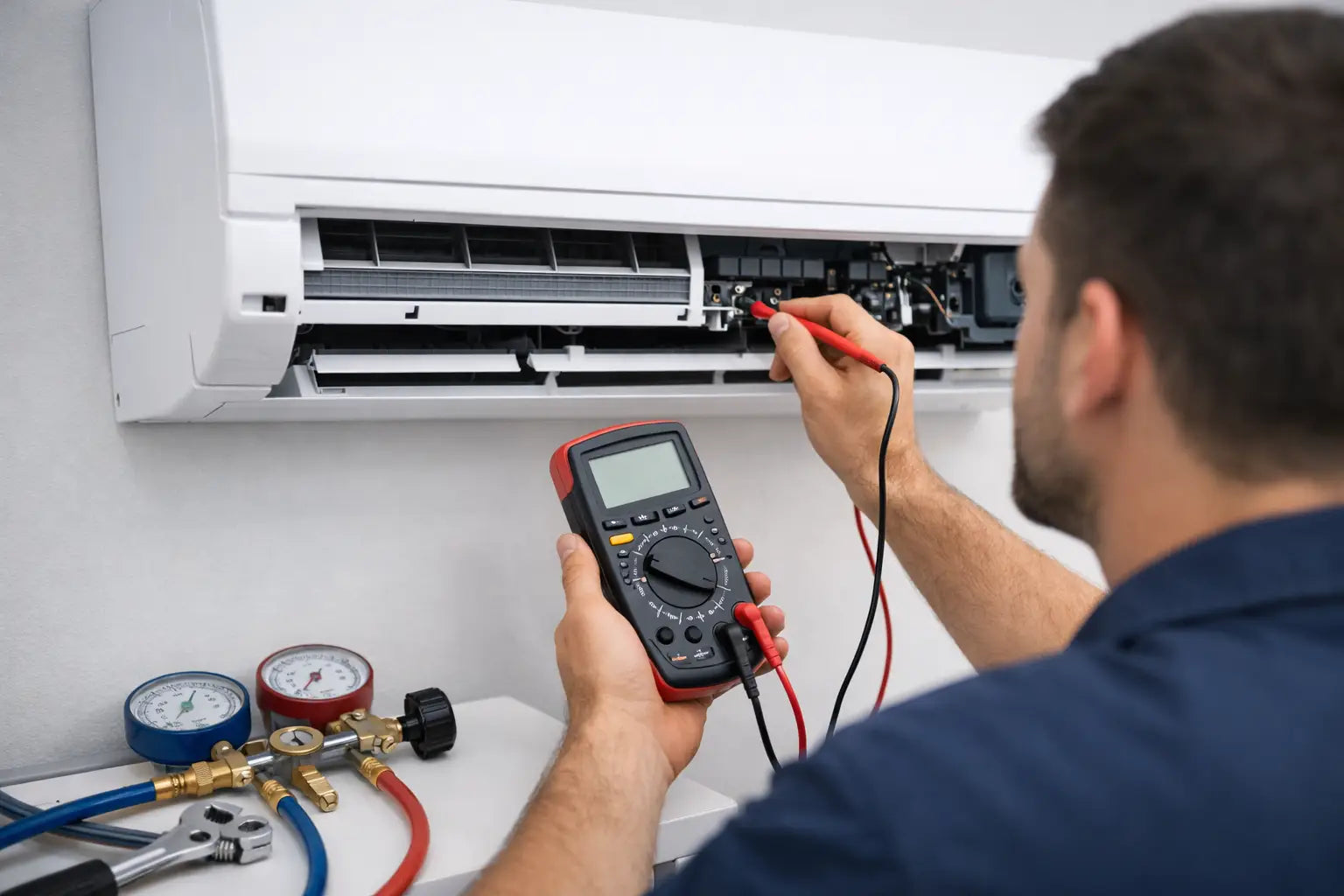
This is also where workmanship matters. Poor drainage planning, undersized piping, messy insulation, and weak finishing can create expensive problems later. A premium air-conditioning system installed badly will still perform badly.
Maintenance and Service Access
Many buyers think about installation day and forget the years after. That is a mistake.
Wall-mounted split units are usually easier and faster to service. Access is simpler, and routine cleaning is more straightforward. For homeowners who want regular maintenance with minimal disruption, that is a practical advantage.
Cassette units can be serviced effectively, but they require proper access and enough ceiling clearance. If the unit is boxed in too tightly or if the ceiling opening is poorly planned, maintenance becomes more difficult. In commercial spaces, that can mean longer service time and more coordination.
This does not make cassette systems high-risk. It simply means serviceability should be part of the design conversation from day one, not an afterthought once the ceiling is closed up.
Which Is Better for Homes?
For most homes, especially bedrooms and standard living spaces, wall-mounted split systems are the safer and more cost-effective choice. They are efficient, easier to install, easier to maintain, and well-suited to room-by-room cooling.
A cassette unit may be worth considering in a larger landed home, a luxury condo with a substantial false ceiling, or an open-plan living area where visual neatness and wider airflow matter. Even then, it should be evaluated carefully against the room size and renovation scope.
If the goal is dependable cooling with lower complexity, split air conditioners usually make more sense for residential use.
Which Is Better for Businesses?
For businesses, the answer depends on layout and occupancy. In small enclosed offices or back rooms, wall-mounted split units can still work very well. They are efficient and practical when each room can be cooled separately.
In larger shared spaces, a cassette system often gives a better result. The airflow is more balanced, the appearance is cleaner, and the ceiling-mounted design keeps walls free for shelving, signage, seating, or workstations. That is why many offices, retail units, and customer-facing spaces lean toward cassette systems during renovation.
This is one area where a professional recommendation can save money. Overspecifying a cassette system in the wrong layout wastes budget. Underspecifying wall units in a large open area creates comfort complaints that never really go away.
The Right Choice Depends on the Room, Not the Trend
There is no universal winner in the cassette vs split aircon debate. A split unit is not old-fashioned, and a cassette unit is not automatically premium just because it sits in the ceiling. The better option is the one that suits the space, the usage pattern, and the installation conditions.
If you are cooling bedrooms, study rooms, or standard residential areas, wall-mounted split systems are usually the practical answer. If you are fitting out an office, retail store, or large open interior with a proper ceiling setup, cassette units may deliver better airflow and a neater finish.
The smartest buyers do not start with the product. They start with the room, the ceiling condition, the service plan, and the quality of the installer. That is usually where long-term comfort is decided.