How to Prevent Aircon Mould Growth at Home
A musty smell when your air conditioner starts is not something to mask with room spray. It is often a sign that moisture, dust, and organic buildup have created the right conditions for mold inside the unit. To prevent aircon mould growth, focus on the parts of your system that stay damp: the filters, evaporator coil, drain pan, drain line, and blower area.
For homeowners and business operators, this is more than a housekeeping issue. Mold buildup can affect indoor comfort, reduce airflow, create unpleasant odors, and make an aircon work harder than it should. In humid climates such as Singapore, consistent upkeep is the practical way to protect both cleaner air and the long-term performance of your cooling system.
Why Mold Forms Inside an Air Conditioner
An air conditioner removes heat and moisture from indoor air. As warm air passes over the cold evaporator coil, condensation forms and should flow into the drain pan before leaving through the condensate drain pipe. That process is normal. Problems begin when dust settles on damp surfaces, water does not drain properly, or the unit remains wet for long periods.
Filters collect airborne dust, skin flakes, fibers, and other particles. If they are neglected, some of that debris can move deeper into the fan coil unit and stick to the damp coil or drain pan. Mold spores are naturally present in the environment, so they do not need a dramatic event to grow. They simply need moisture, a food source, and enough time.
A blocked drain line is another common cause. Instead of flowing out, condensate can pool inside the unit. You may notice dripping water, weak cooling, a sour smell, or stains around the indoor unit. In commercial spaces, the consequences can extend beyond comfort, especially if water leaks near ceiling finishes, stock, equipment, or customer areas.
How to Prevent Aircon Mould Growth Through Regular Care
The most effective approach is simple: keep airflow clear, remove dust before it reaches internal components, and make sure condensation has a clean path out of the system. Small habits between professional servicing visits make a meaningful difference.
Clean filters before they become a bigger problem
For a typical home, inspect washable air filters every two to four weeks. Homes with pets, frequent cooking, renovation dust, or heavy daily aircon use may need more frequent cleaning. In offices, retail units, and F&B premises, filter checks should reflect operating hours and the amount of airborne grease, dust, or foot traffic in the space.
Remove the filters according to the manufacturer’s instructions, vacuum loose dust if needed, then rinse them gently with clean water. Let them dry fully before reinstalling. Putting a damp filter back into the unit adds unnecessary moisture. If a filter is torn, warped, or permanently stained, replacement is usually the better choice.
Do not use harsh chemicals or aggressive brushes on filters unless the manufacturer specifically permits them. The goal is to clean without damaging the mesh or reducing airflow.
Use dry mode when indoor humidity is high
Cooling mode lowers humidity as part of normal operation, but dry mode can be useful on humid or rainy days when the room feels clammy without needing strong cooling. Lower indoor humidity makes surfaces less favorable for mold growth and improves comfort at a moderate temperature setting.
It depends on the room and system. Dry mode is not always the most efficient choice for every situation, particularly in a busy office or a sun-facing room with a high heat load. Use it as a humidity-control tool, not as a replacement for proper cooling design or maintenance.
Let the indoor unit dry after heavy use
After many hours of cooling, the evaporator coil and internal surfaces may remain damp. If your aircon has a self-clean, coil-dry, or fan-only function, use it according to the manufacturer’s guidance. These functions keep the fan running briefly after cooling stops so residual moisture can evaporate.
If your system does not have this feature, running fan-only mode for a short period can help in some cases. Avoid switching the aircon off immediately after prolonged use every day if the unit is consistently left wet inside. The right setting varies by model, so check the operating manual or ask a qualified technician during servicing.
Keep return-air areas clean and unobstructed
Your air conditioner can only filter the air it pulls in. Dusty curtains, clutter around the indoor unit, smoking indoors, and frequent aerosol use all add particles that may eventually settle inside the system. Keep the area around the fan coil clear and wipe nearby surfaces regularly.
For businesses, include aircon surroundings in routine housekeeping. A clean ceiling cassette grille or wall-mounted indoor unit is easier to inspect, and staff are more likely to notice early signs such as water marks, unusual noise, or odor.
Drainage Is the Detail That Cannot Be Ignored
A clean filter will not solve mold problems caused by poor drainage. The drain pan and condensate pipe must carry water away reliably, with correct pipe routing and slope. If drainage is slow or blocked, moisture stays where mold can develop.
Watch for water dripping from the indoor unit, bubbling or gurgling sounds, recurring musty odors, or water marks on walls and ceilings. These are not issues to postpone. Continued leakage can affect paintwork, false ceilings, electrical components, and furnishings.
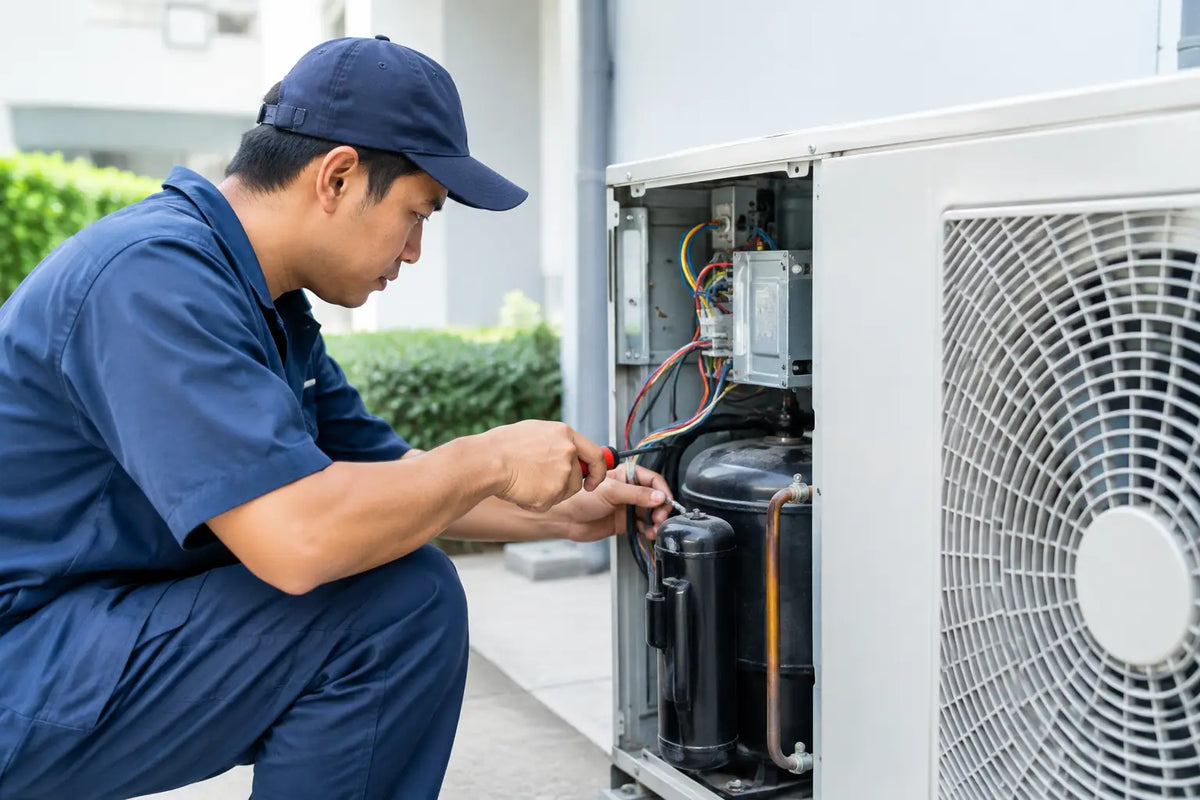
During professional aircon servicing, the technician should inspect and flush the drainage system where appropriate, check the drain pan, and verify that water is discharging properly. For newly installed systems, neat pipe routing, proper insulation, and sound workmanship matter from day one. Poorly executed concealed piping or an incorrectly graded drain line can create repeat maintenance issues that are far more costly than routine care.
Do Not Rely on Fragrance or Surface Wiping
A scented spray may cover a musty smell for an afternoon, but it does not remove buildup on the coil, blower wheel, or drain pan. Likewise, wiping the external cover of the fan coil improves appearance but does little for contamination inside the unit.
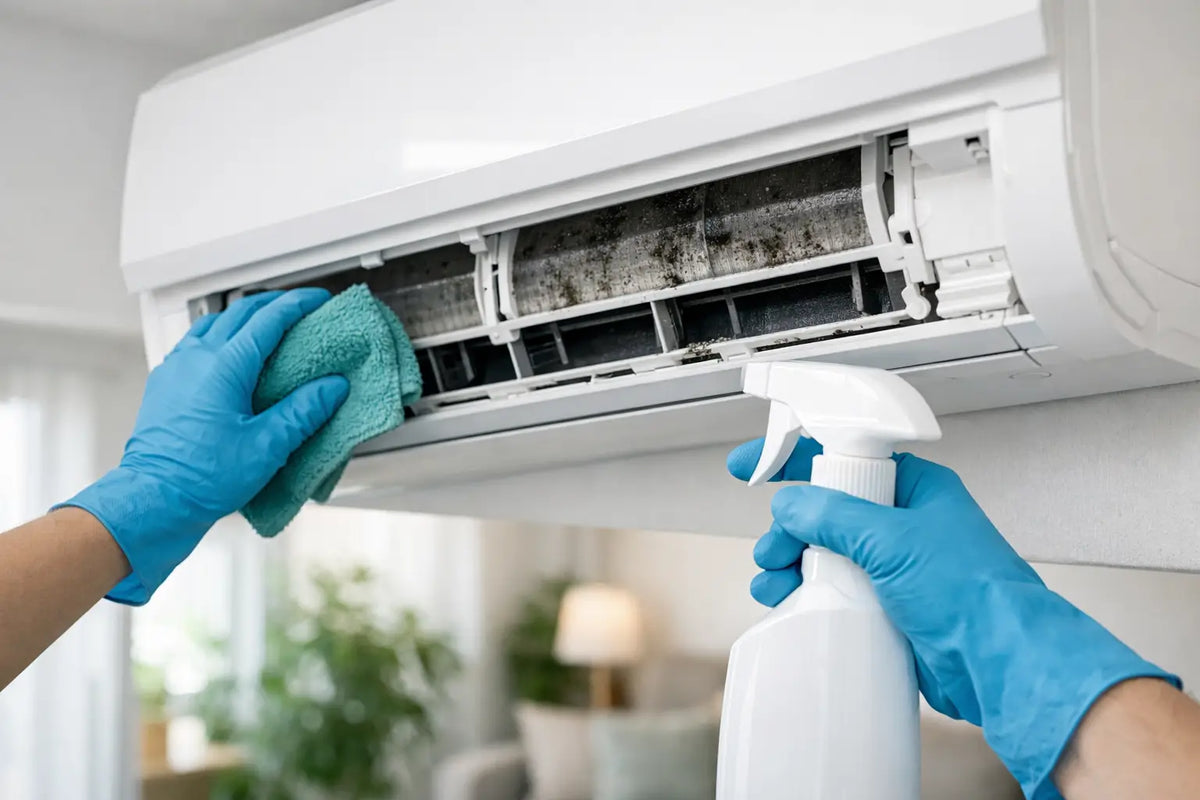
When odor returns soon after filter cleaning, or when you can see dark residue around air outlets, it may be time for a deeper professional cleaning. The appropriate service depends on the condition of the unit. A lightly soiled system may need standard servicing and drain treatment, while a heavily contaminated coil or blower may require a more thorough chemical cleaning performed by trained personnel.
More intensive cleaning is not automatically better. Unnecessary chemical work can add cost and may not address the real cause if the drain line, humidity level, or installation issue remains unresolved. A reliable technician should inspect first, explain what was found, and recommend the right level of service clearly.
Build Maintenance Around How You Use the System
There is no single service interval that fits every property. A lightly used bedroom unit may require less attention than an aircon running daily in a family living room. Commercial systems in offices, shops, kitchens, or high-traffic spaces often need a more structured maintenance schedule because downtime and poor air quality affect more people.
As a practical baseline, arrange professional servicing every three to six months for regularly used units. More frequent attention may be appropriate if you notice odor, reduced airflow, water leakage, allergy symptoms that worsen indoors, or unusually high use. Maintenance should cover more than a quick exterior wash. It should include a functional check of cooling performance, filters, coil condition, drainage, and key electrical components.
Choosing a service provider with an in-house technical team also helps with accountability. Clear findings, proper tools, and consistent workmanship make it easier to track recurring issues instead of repeatedly treating the symptom.
When Mold Keeps Coming Back
Repeated mold or odor after cleaning usually points to an underlying condition. It could be a partially blocked drain, excessive indoor humidity, a dirty blower wheel, inadequate ventilation, or an installation-related drainage problem. In some cases, the unit may be oversized and short-cycling, which cools a room quickly but does not run long enough to remove moisture effectively.
Do not assume the aircon is the only source. Check for damp walls, roof leaks, bathroom moisture, wet carpets, or poorly ventilated areas nearby. An air conditioner can circulate odors from the room, even when the internal unit is not the original cause.
Clean filters, proper drainage, and timely servicing are the practical foundation for fresher air and dependable cooling. Treat a musty smell as an early maintenance signal, and your aircon is far more likely to stay clean, efficient, and comfortable when you need it most.