Why Your Aircon Compressor Trips and What to Do
A working air conditioner should cool the room quietly in the background. When the breaker suddenly switches off and the outdoor unit stops, it is more than an inconvenience - it is the electrical system preventing potential damage. If your aircon compressor trips, avoid repeatedly turning the breaker back on. The fault may be minor, but repeated resets can turn an isolated issue into an expensive compressor, wiring, or circuit-board repair.
For homes and businesses, the right response is to identify what happened immediately before the trip, carry out only safe basic checks, and arrange professional diagnosis if it happens again. A proper inspection should look beyond the breaker itself. The compressor, electrical supply, refrigerant system, wiring, and installation condition all need to work together.
What It Means When an Aircon Compressor Trips
In most cases, people say the compressor has tripped when the air conditioner causes the circuit breaker or residual-current device to switch off. The breaker is designed to cut power when it detects an unsafe electrical condition, such as excessive current draw, a short circuit, or current leaking to ground.
The compressor is usually housed in the outdoor condenser unit. It is the component that pumps refrigerant through the system, making cooling possible. Because it is one of the air conditioner's highest-load components, a fault that appears only when cooling starts often points toward the outdoor unit or its electrical supply.
However, the compressor is not automatically the guilty part. A damaged cable, weak capacitor, fan motor fault, clogged condenser coil, failing control board, or an undersized circuit can all produce similar symptoms. That is why replacing parts based on guesswork is rarely good value.
The First Safe Checks to Make
Before arranging service, note whether the entire air conditioning system has lost power or whether only one indoor unit is affected. Also check whether the breaker trips the moment you switch on the air conditioner, after a few minutes of operation, or only during very hot afternoons. These details help narrow down the cause.
Turn the air conditioner off at the remote control and at the isolator if accessible. Let the system sit for several minutes, then reset the breaker once. If it remains on and the unit operates normally, monitor it closely. If it trips again, stop using the system and arrange an inspection.
Do not keep resetting a tripping breaker. Do not open electrical panels, remove the outdoor-unit cover, or attempt to bypass a breaker. These components carry dangerous voltage, and a breaker that will not stay on is giving a clear warning that should be taken seriously.
Common Reasons an Aircon Compressor Trips
A dirty condenser is causing the system to overwork
The outdoor condenser coil releases heat removed from your room. When it is packed with dust, leaves, grease, or debris, heat cannot escape efficiently. Refrigerant pressure rises, the compressor works harder, and electrical current may increase until a protective device trips.
This is especially relevant for outdoor units installed near kitchens, busy roads, construction areas, or enclosed ledges with poor airflow. Commercial sites can face the same problem faster, particularly in F&B environments where airborne grease is common. Regular chemical cleaning is not always necessary, but a technician should assess coil condition and use the correct cleaning method rather than applying a one-size-fits-all treatment.
A compressor or fan motor is drawing excessive current
A compressor that is aging, overheating, or mechanically struggling can draw more current than it should. The outdoor fan motor can create a similar issue. If the fan does not run properly, heat builds up around the condenser and the compressor may overheat shortly after.
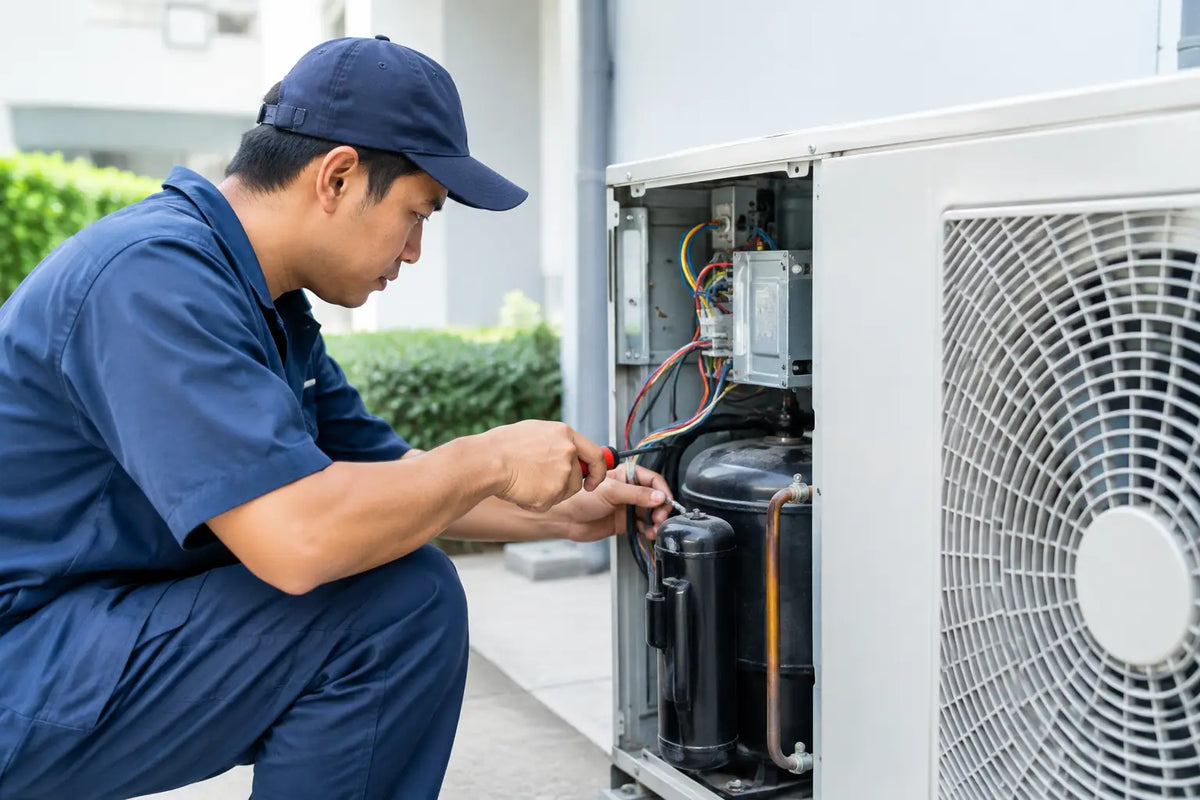
A qualified technician can measure operating current, inspect motor condition, test windings, and compare readings against the unit's specifications. This matters because high current can result from the compressor itself, but it may also be a symptom of restricted airflow or a refrigerant issue. Replacing a compressor before confirming the root cause is a costly mistake.
A weak capacitor is preventing a clean startup
Many conventional air-conditioning systems use capacitors to help the compressor or fan motor start and run. As a capacitor weakens, the motor may struggle to start, hum briefly, or draw excessive current during startup. The breaker may trip immediately or within seconds of turning the system on.
Capacitors are serviceable components, but they must be tested and replaced with the correct rating. Installing the wrong part can shorten equipment life or create another electrical fault.
Damaged wiring, terminals, or insulation are creating a fault
Singapore's heat, humidity, and outdoor exposure are hard on electrical connections over time. Rodent damage, brittle cable insulation, loose terminals, water ingress, and corroded connectors can cause short circuits or earth leakage. A trip that happens during rain, after washing the condenser, or at irregular intervals may point to moisture or compromised insulation.
Installation quality plays a major role here. Correct cable sizing, secure terminations, protected trunking, and neat routing reduce the risk of damage later. At Commercestar Engineering, the focus on Singapore-made cables and properly managed in-house installation reflects a practical reality: hidden materials and connections affect long-term reliability as much as the aircon brand selected.
The refrigerant system is under pressure
Low refrigerant is commonly associated with weak cooling, but the issue is not solved by simply adding gas. Refrigerant does not get used up in normal operation. If the level is low, there may be a leak in the piping, flare joints, indoor coil, or outdoor coil.
Overcharging can also create excessive operating pressure. Both conditions can cause poor performance and place unnecessary strain on the compressor. Proper diagnosis involves pressure readings, leak checks, and a review of system operation. A reliable repair fixes the leak first, then evacuates and recharges the system according to the manufacturer's required procedure.
The electrical circuit is not suitable for the load
An air conditioner should be connected to a correctly rated dedicated circuit where required. Problems can occur when the circuit is shared with other high-load appliances, the breaker rating is incorrect, or the electrical supply has been altered without considering total load.
This is particularly worth checking after renovations, an aircon replacement, or the addition of another room unit. A newer system may have different electrical requirements from the previous one. The solution is not to install a larger breaker without investigation. Oversizing a breaker can leave cables insufficiently protected and increase fire risk.
Why the Timing of the Trip Matters
The moment the breaker trips offers useful clues. A trip that occurs immediately when the system is turned on may indicate a short circuit, compressor startup issue, capacitor problem, or electrical board fault. If it trips after the air conditioner runs for 10 to 30 minutes, overheating, high operating pressure, a dirty condenser, or a failing fan motor becomes more likely.
If the air conditioner operates normally in the evening but trips in intense daytime heat, restricted condenser airflow or a component operating near its limit may be involved. If it trips only when one particular indoor unit is selected, the issue may lie in that unit's wiring, drain pump, fan motor, or communication circuit rather than the compressor.
These are patterns, not final diagnoses. Modern inverter systems use electronic controls and variable-speed compressors, so fault behavior can differ from older fixed-speed units. Accurate testing remains essential.
What a Proper Aircon Inspection Should Include
A worthwhile service visit should not end with resetting the breaker and waiting to see what happens. The technician should inspect the indoor and outdoor units, test electrical supply and insulation resistance, check terminal connections, measure compressor and fan operating current, and examine the condenser's airflow condition.
Depending on the symptoms, the inspection may also include capacitor testing, refrigerant pressure checks, drain and moisture assessment, and error-code review for inverter models. The goal is to identify the failed component and the condition that caused it to fail. For example, replacing a burnt terminal without addressing water ingress or a loose connection only postpones the next breakdown.
For commercial premises, repair planning should also consider downtime. An office, retail store, or restaurant may need temporary cooling arrangements, phased servicing, or work scheduled outside operating hours. The fastest repair is valuable, but a safe repair that prevents recurring trips is usually better for operations and cost control.
Preventing Future Trips
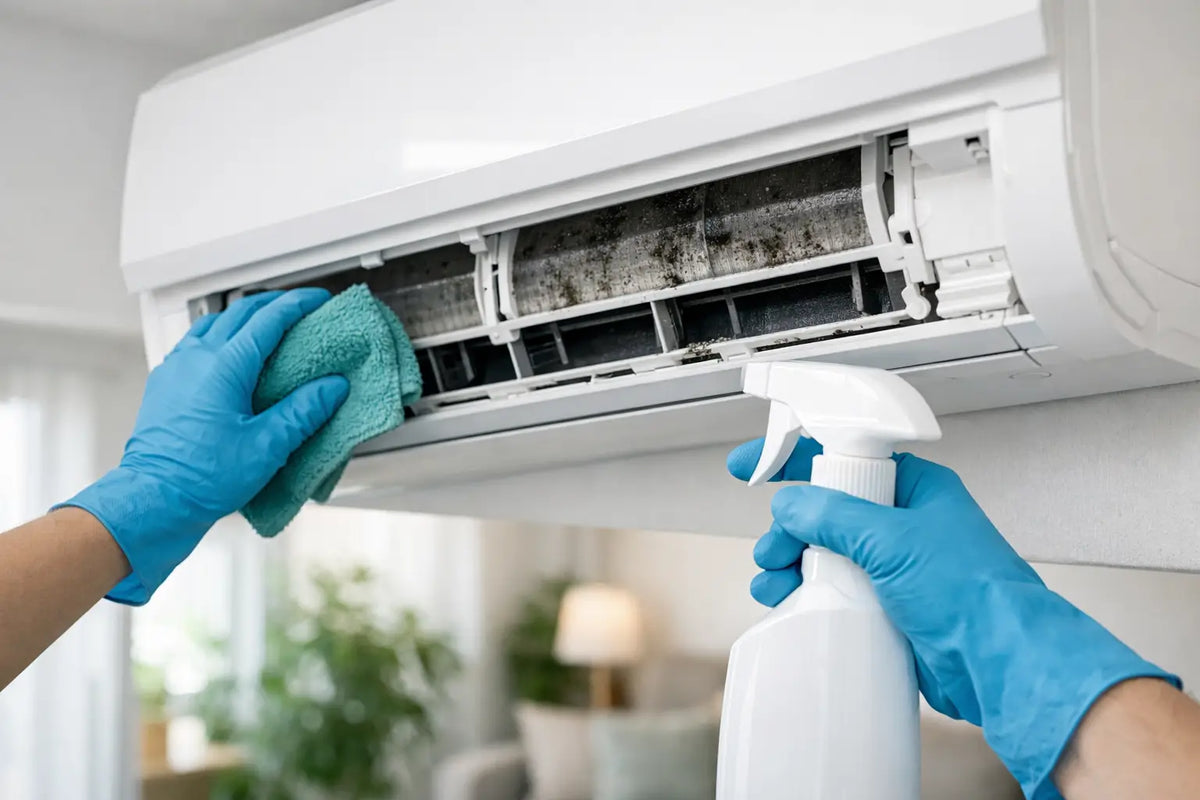
Maintenance cannot eliminate every electrical fault, but it reduces many of the conditions that force a compressor to work too hard. Keep the outdoor unit clear of stored items and vegetation, clean indoor filters regularly, and do not block air supply or return vents with furniture or displays.
Schedule professional maintenance based on actual usage. A lightly used bedroom system may need less attention than a frequently operated living-room unit, office, or food-service site. Maintenance should include more than a surface wipe-down. Electrical connections, drainage, fan operation, coil condition, and cooling performance all deserve attention.
If your system is older and has repeated electrical faults, ask for a transparent repair-versus-replacement assessment. A targeted repair may be sensible when the unit is otherwise sound. When compressor efficiency has declined, parts are difficult to source, or breakdowns are becoming frequent, replacement with a properly designed and carefully installed system can provide more dependable long-term value.
A tripping breaker is one of the few aircon symptoms that should never be ignored. Switch the system off, record the pattern, and have a trained technician test it properly. That measured response protects your property, helps preserve the equipment, and gets your cooling back without taking unnecessary risks.