Toshiba Inverter Review for Homes and Small Offices
A Toshiba inverter review should not begin and end with the indoor unit. Toshiba systems are known for efficient, controlled cooling, but the experience you get over the next several years depends just as much on correct sizing, clean piping work, drainage, wiring, and regular servicing. For a home or small office that needs dependable comfort without excessive noise or electricity use, Toshiba is a brand worth considering carefully.
Toshiba Inverter Review: What Stands Out
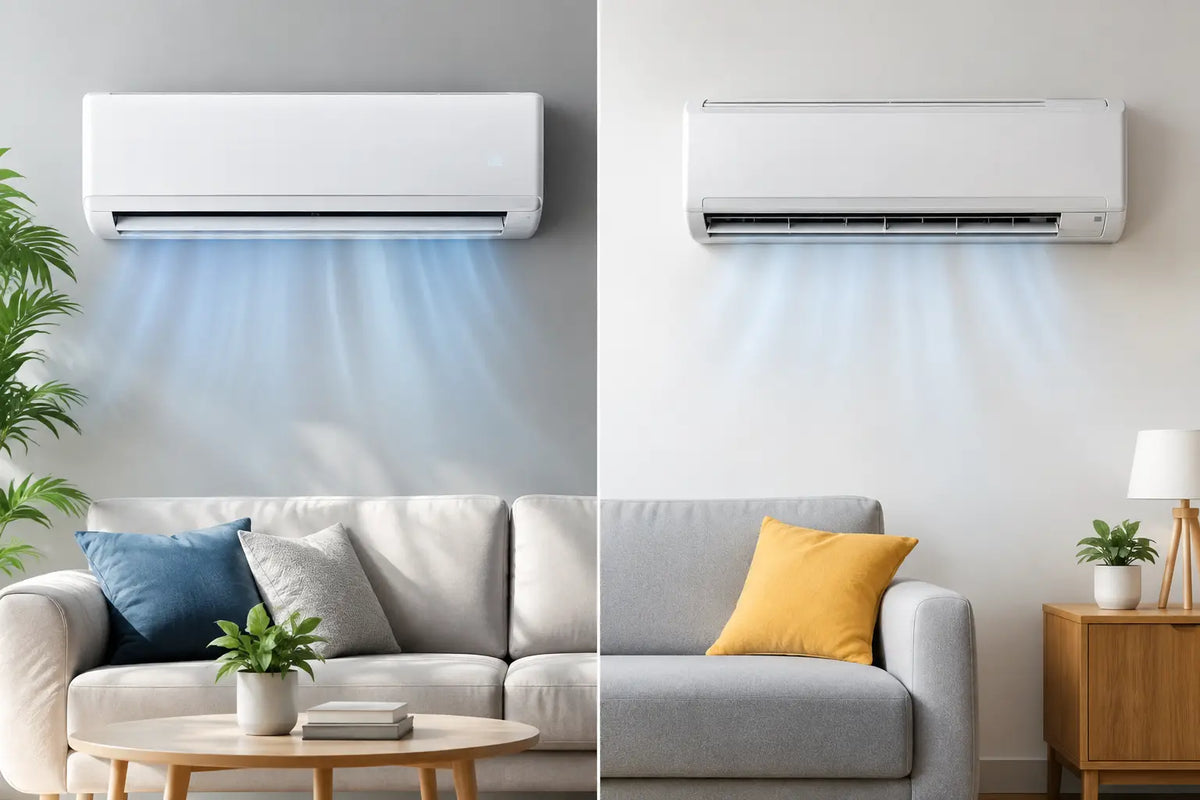
Toshiba inverter air conditioners are designed to adjust compressor output instead of repeatedly switching fully on and off. Once the room approaches the selected temperature, the system reduces its output and maintains a steadier cooling cycle. This is the main reason inverter air conditioning can feel more comfortable than a conventional fixed-speed unit, particularly in bedrooms, living rooms, and workspaces used for long hours.
In practical use, Toshiba inverter systems are generally appreciated for stable temperature control, quiet operation at lower fan speeds, and energy-conscious performance. The system does not need to restart at maximum power every time the room warms up slightly. That can reduce temperature swings and, when the unit is properly matched to the room, help manage operating costs.
Toshiba also has a long engineering history in compressor and inverter technology. That does not mean every model is identical, or that the brand is automatically the best answer for every property. But it does mean Toshiba is a serious option for buyers comparing established air-conditioning brands rather than choosing solely on promotional price.
Cooling Performance in Real Rooms
The strongest case for a Toshiba inverter system is consistent daily cooling. In a correctly sized bedroom, a good inverter unit should bring the room down to a comfortable temperature without feeling overly harsh, then continue running quietly to maintain it. This makes a noticeable difference for light sleepers, families with young children, and anyone working from home.
Cooling speed still depends on room conditions. A west-facing room with direct afternoon sun, a top-floor space with a hot ceiling, or an open-concept living area may require a larger capacity or better insulation than a standard room of the same square footage. A powerful air conditioner cannot compensate indefinitely for major heat gain, poor window sealing, or an undersized system design.
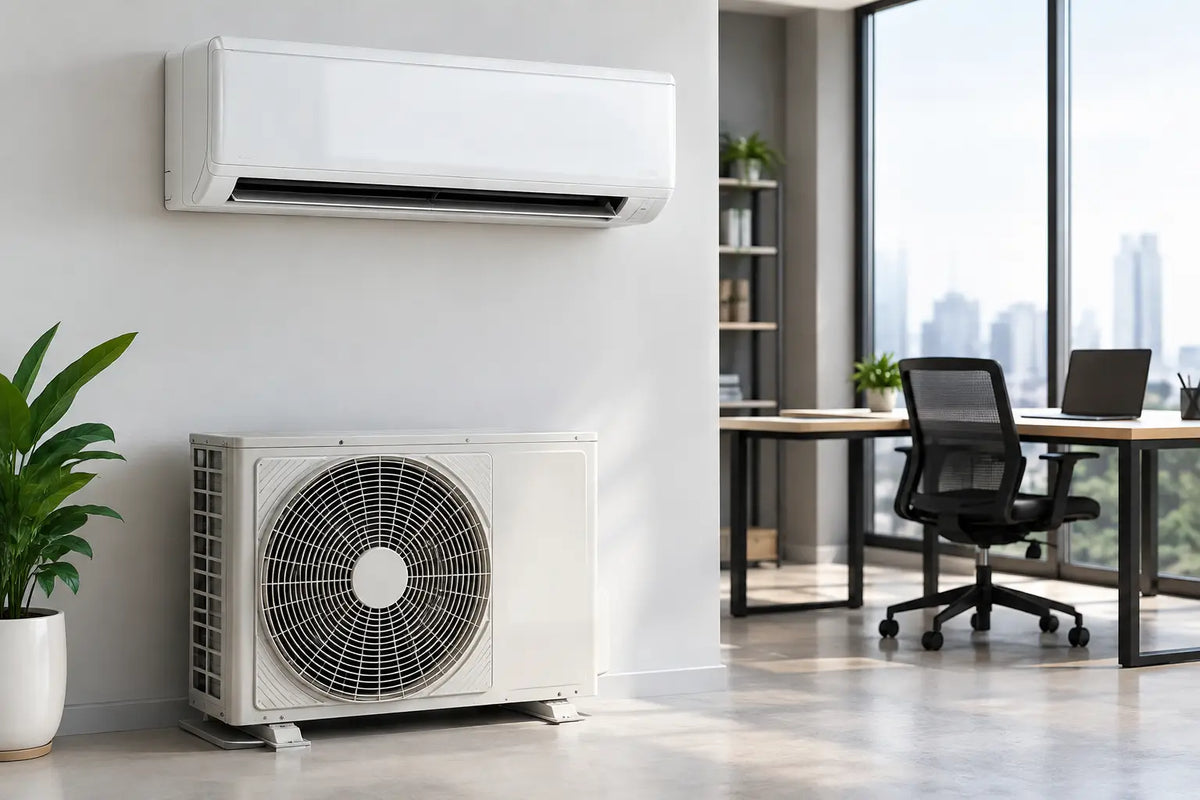
For small offices, retail spaces, and other commercial environments, the calculation becomes more detailed. People, computers, lighting, refrigerators, cooking equipment, and frequent door opening all add heat. A Toshiba inverter may be suitable, but capacity planning should account for the actual operating load, not just the floor area. Choosing too small a unit can lead to long run times, uneven cooling, and unnecessary wear.
Energy Efficiency: The Benefit Depends on Use
Inverter technology is usually most beneficial when an air conditioner runs for extended periods. A bedroom unit used overnight, a living-room system used every evening, or an office system running throughout the workday can benefit from the compressor's ability to modulate its speed.
That said, electricity savings are not guaranteed simply because “inverter” appears on the label. Savings depend on the selected temperature, outdoor weather, room heat load, thermostat habits, system capacity, and maintenance. Setting the unit extremely low in a hot climate will still make it work hard. A more moderate setting, sensible fan speed, closed windows, and clean filters typically produce better results than chasing the lowest possible temperature.
Buyers should also compare the efficiency figures for the exact model and capacity being quoted. Product lines can vary by market, and a system that is highly efficient in one capacity may not be the best fit for every room. Ask for a clear explanation of the recommended capacity and why it suits the space.
Noise and Everyday Comfort
Noise is one of the more important details in any Toshiba inverter review because a quiet system is easier to live with. Inverter units often become less noticeable after the room reaches temperature, since the compressor does not need to cycle as aggressively. Indoor sound levels are particularly relevant in bedrooms, nurseries, study rooms, and meeting spaces.
However, quiet operation is not only a product feature. Installation quality matters. Poorly secured piping, an uneven outdoor condenser base, loose trunking, or insufficient vibration isolation can create rattling and vibration that customers may mistakenly blame on the air-conditioning brand. A properly installed system should have neat pipe routing, secure mounting, suitable drainage fall, and outdoor-unit support that minimizes vibration transfer.
Features Worth Checking Before You Buy
Toshiba inverter models may include conveniences such as timer settings, sleep modes, self-cleaning or drying functions, washable filters, and Wi-Fi control on selected units. These features can improve daily use, but they should not distract from the fundamentals: correct capacity, energy rating, warranty coverage, and installation standards.
When comparing quotations, confirm the exact indoor and outdoor unit model numbers. “Toshiba inverter” alone is not enough to make a fair comparison. You should know the system configuration, capacity assigned to each room, included pipe length, electrical scope, drainage approach, and whether additional work could be required after a site check.
For replacement projects, it is also worth checking whether existing piping can genuinely be reused. Old lines may be contaminated, undersized, damaged, or incompatible with the new system's requirements. Reusing pipework can reduce initial cost, but it should be a technical decision, not an automatic shortcut.
Installation Quality Can Make or Break the System
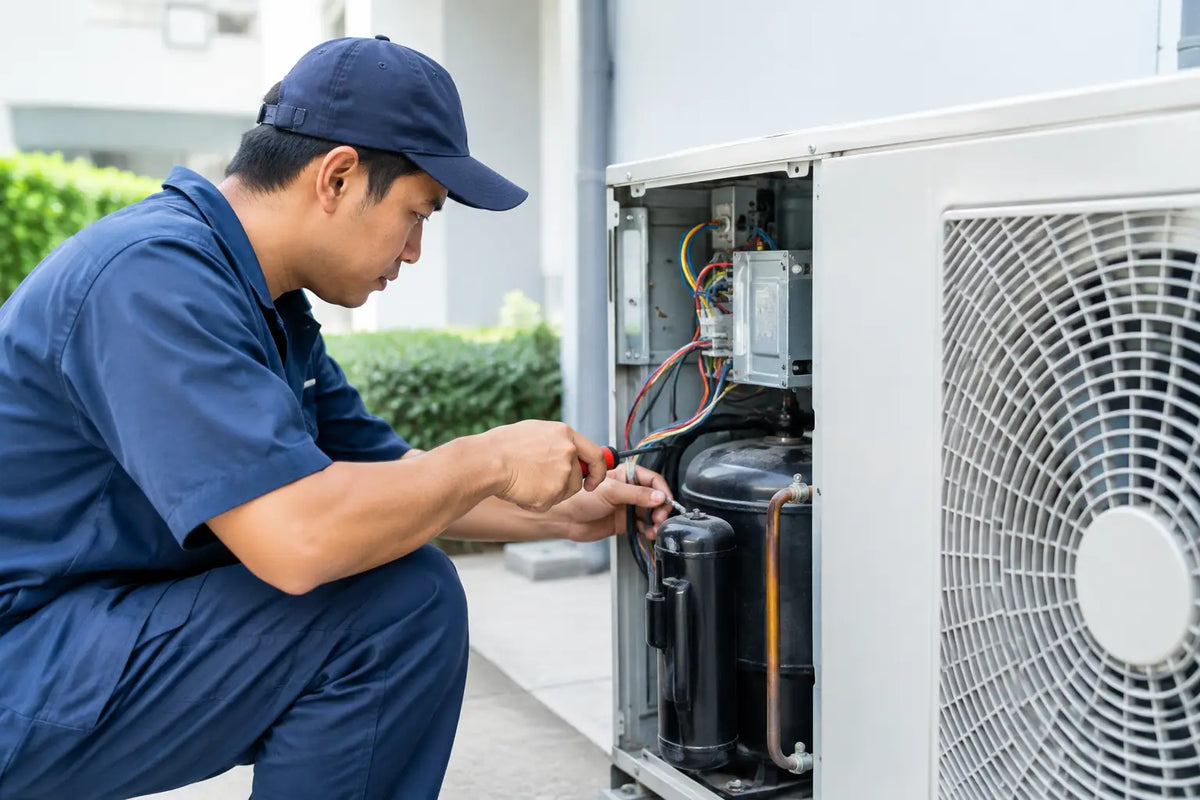
An inverter system has sensitive electronic controls and relies on a sealed refrigerant circuit. Even a well-regarded Toshiba unit can underperform if the installer cuts corners during installation. Refrigerant leaks, moisture inside the piping, poor flare connections, inadequate insulation, and wrongly sloped drainage can cause reduced cooling, water leaks, error codes, and higher future repair costs.
A professional installation should include pressure testing, proper evacuation with a vacuum pump, careful piping insulation, secure cable connections, and testing of cooling and drainage before handover. The materials also matter. Quality copper piping, closed-cell insulation, and durable cabling help protect the system in hot, humid conditions where condensation and long operating hours place extra demands on the installation.
At Commercestar Engineering, installation planning focuses on these practical details rather than treating the indoor unit as a standalone purchase. That approach is especially valuable for multi-room homes and businesses where pipe routes, condenser location, drainage, and future servicing access need to be considered together.
Maintenance Expectations and Long-Term Reliability
Toshiba inverter systems need routine maintenance just like any other split air-conditioning system. Filters should be cleaned regularly, while professional servicing should address the fan coil, drainage tray and pipe, blower wheel, electrical connections, and outdoor condenser condition. In humid environments, a neglected drainage system can create leaking, odor, and mold concerns even when cooling performance initially appears normal.
Do not assume that topping up refrigerant is standard maintenance. Refrigerant operates in a closed system. If the gas level is low, the correct response is to identify and repair the leak, then test the system before recharging. Repeated gas top-ups without leak repair can hide a workmanship or equipment issue and increase long-term costs.
For commercial users, planned maintenance is often more economical than waiting for a breakdown. Downtime in an office, shop, or food-service space can affect staff comfort, customer experience, and operations. Regular checks help spot blocked drains, weak capacitors, dirty coils, and unusual operating behavior before they become urgent problems.
Is a Toshiba Inverter a Good Choice?
A Toshiba inverter air conditioner is a good choice for buyers who value stable cooling, lower-noise operation, and the potential for better efficiency during regular use. It is particularly suitable for bedrooms, apartments, family living areas, and small commercial spaces where comfort and controlled running costs matter.
The trade-off is that inverter systems reward proper planning. They are not a category where the cheapest quote is necessarily the best value. An attractive unit price can become expensive if it excludes adequate piping, electrical work, drainage provisions, testing, or responsive after-sales support.
Before making a decision, ask for a site-based recommendation, verify the exact models included, and look closely at the installation scope. The right Toshiba system, installed with care and maintained on schedule, should give you quiet, dependable cooling that remains comfortable long after the first cold blast from a newly installed unit.