10 Aircon Installation Mistakes to Avoid
A new air-conditioning system can look perfect on handover day and still become a source of leaks, weak cooling, high power bills, or repeated repairs months later. The difference is often not the brand of indoor unit, but the planning and workmanship behind it. These aircon installation mistakes to avoid matter especially in Singapore, where air conditioners work hard through heat and humidity all year.
A low headline price can be tempting, but installation is not a place to accept vague scope, underspecified materials, or rushed finishing. A properly installed system should cool reliably, drain cleanly, run efficiently, and remain serviceable for years.
10 Aircon Installation Mistakes to Avoid
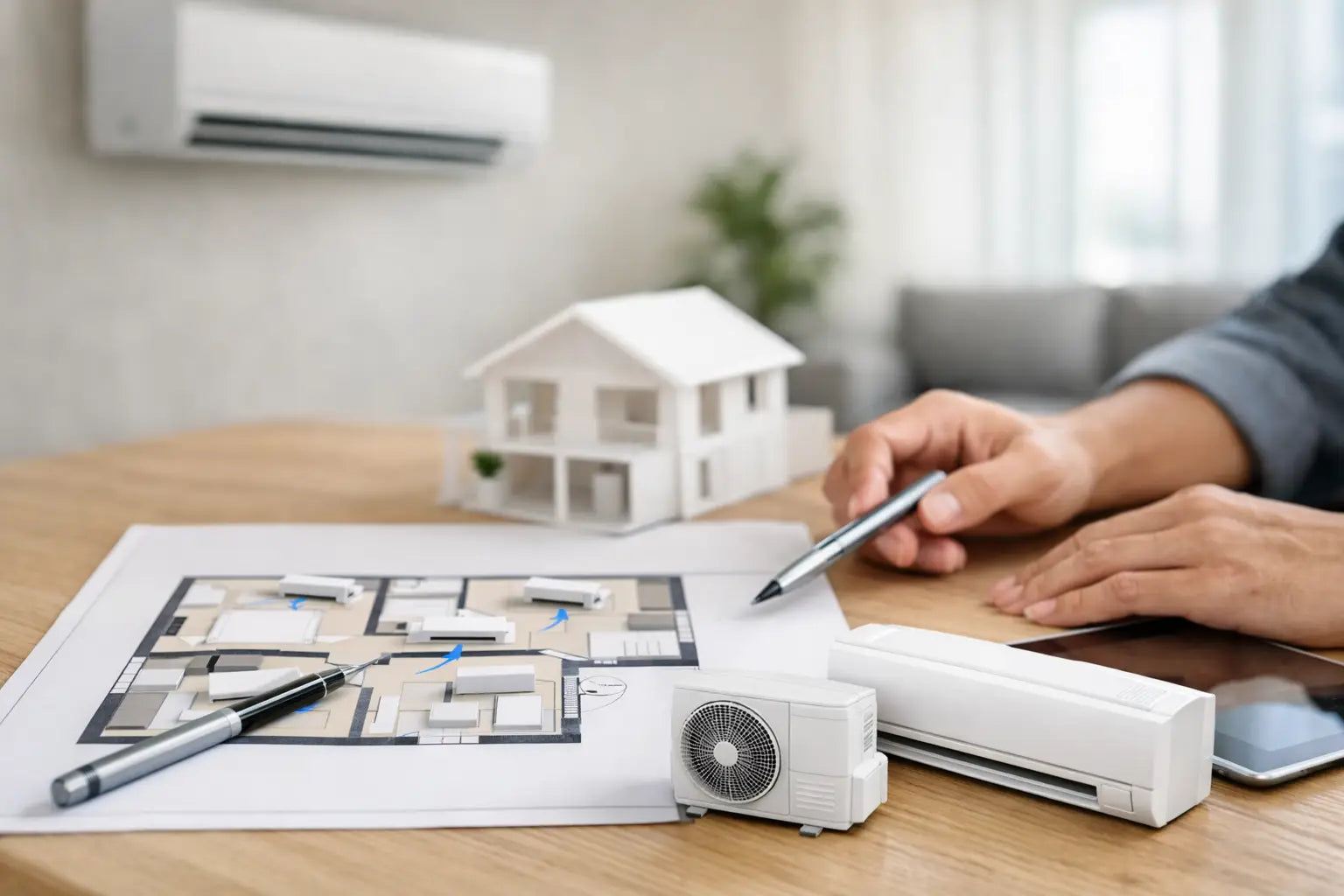
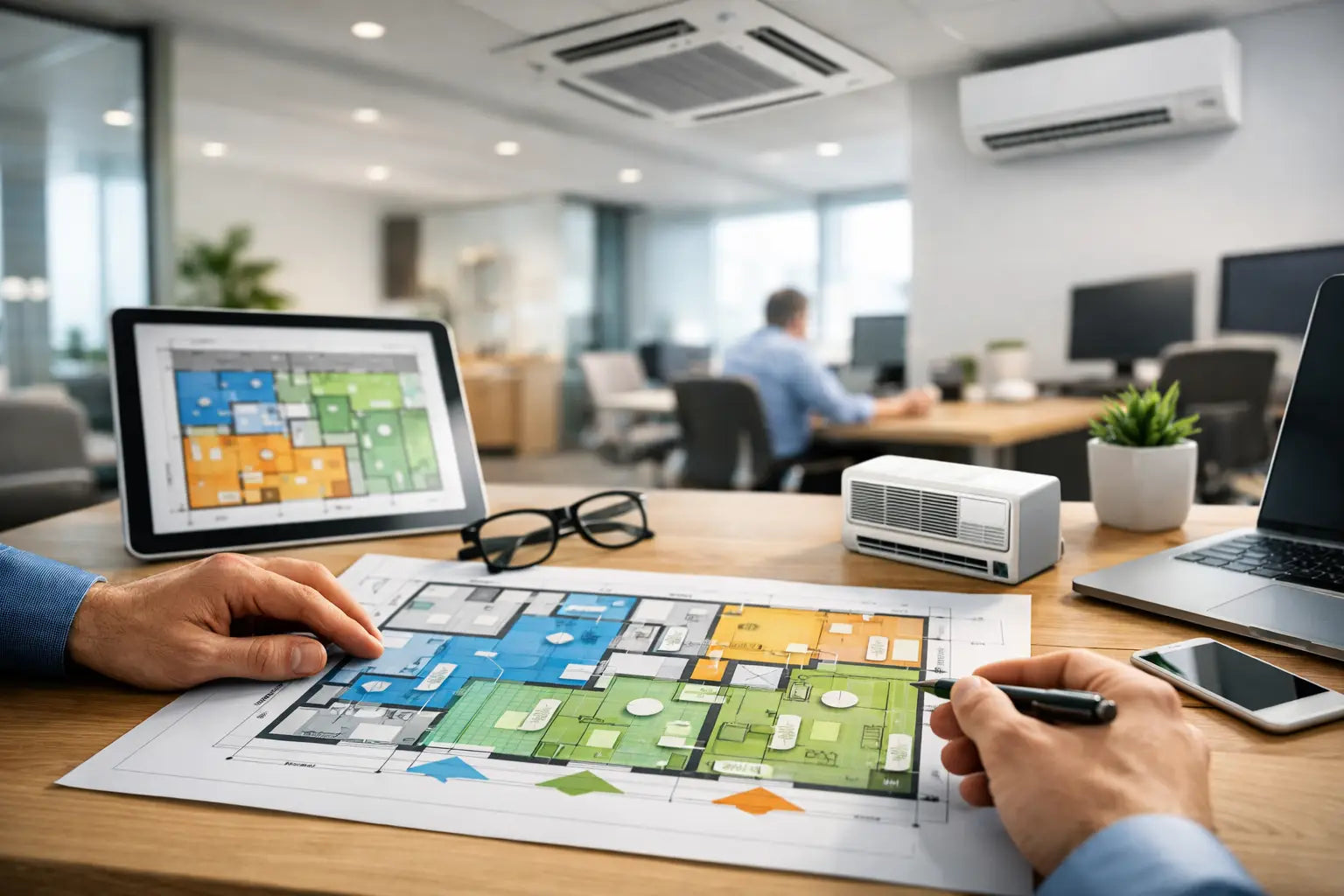
1. Choosing capacity based only on room count
“System 3” or “System 4” describes the number of indoor units connected to an outdoor condenser. It does not automatically confirm that the system has the right capacity for your home or business.
A sunny west-facing master bedroom, a room with floor-to-ceiling glass, and a compact study do not have the same cooling load. Ceiling height, room size, insulation, occupancy, appliances, and cooking heat from nearby areas can all affect performance. In commercial spaces, customer traffic and equipment heat can change the calculation further.
An undersized system may run continuously without reaching the desired temperature. An oversized unit can cool too quickly, cycle inefficiently, and remove less humidity than expected. Ask for capacity recommendations based on your actual layout, not a one-size-fits-all package.
2. Focusing on the aircon unit but ignoring installation materials
Even a premium air-conditioning unit depends on what is installed behind the wall. Copper piping, insulation, control cables, drain pipes, brackets, and trunking are not minor add-ons. They are part of the system.
Thin copper piping may be more vulnerable to damage during handling and future servicing. Poor-quality insulation can deteriorate, sweat, or lose its ability to prevent condensation. When insulation fails, water staining and dripping can follow. Low-grade wiring also creates an unnecessary reliability and safety concern.
Confirm the material specification in writing before work starts. For example, thicker 21 SWG copper piping, Singapore-made cables, and Class 0 insulation such as K-FLEX TITAN can support a more durable installation. Material upgrades cost more upfront, but they can reduce the risk of disruptive corrective work after renovation is complete.
3. Treating drainage as an afterthought
Water leaks are among the most frustrating aircon problems because the source is not always obvious. A unit may be cold and operating normally while a poorly planned drain line causes dripping, ceiling damage, mold growth, or water marks along the trunking.
Drainage piping needs a consistent slope so condensate can flow out naturally. The route should avoid unnecessary bends, sagging sections, and areas where water can collect. Connections must be secure, and the drainage path should be tested before the installer leaves.
For concealed piping, drainage planning is even more critical because repairs may require opening up walls or ceilings. If a gravity drain route is not practical, discuss the correct alternative early rather than forcing an unsuitable path simply to keep the installation looking neat.
4. Accepting poorly planned piping routes
Piping routes affect both appearance and long-term service access. The shortest route is not always the best route, and the neatest-looking route is not always the most practical one. Good planning balances efficiency, aesthetics, drainage requirements, and access for future maintenance.
For HDB flats, BTO homes, condos, and offices, decide early where trunking will run and how it will meet corners, beams, doors, and cabinetry. Piping box-up works can create a cleaner finish, but only when the box-up allows access to critical joints and does not trap condensation or make repairs impossible.
Ask to review the route before drilling begins. A professional installer should explain where pipes will be visible, where they will be concealed, and whether the proposed route affects future servicing. Surprises after installation are much harder and more expensive to correct.
5. Skipping vacuuming and pressure testing
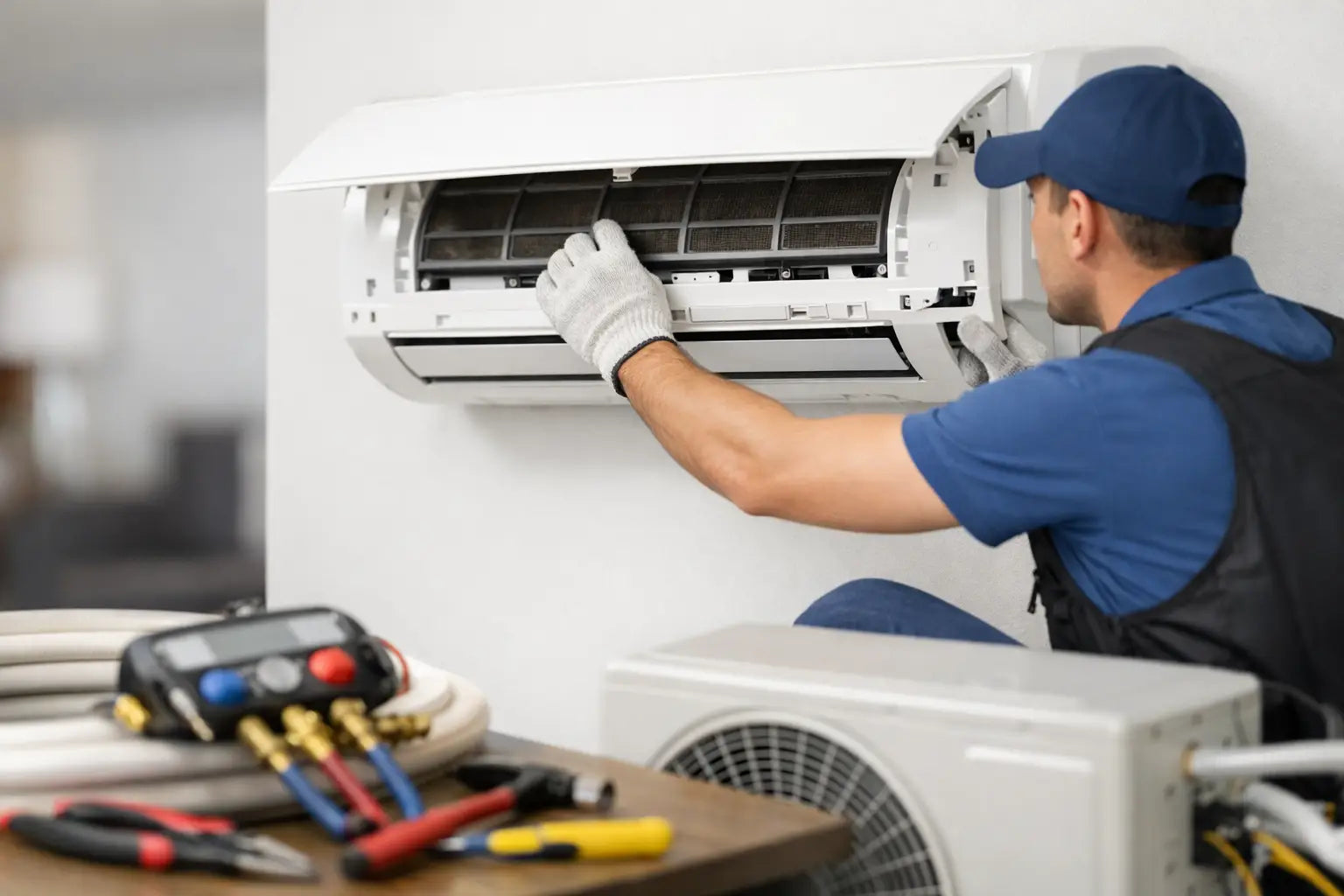
This is one of the most serious aircon installation mistakes to avoid because the system can appear functional immediately after installation. Refrigerant piping must be properly pressure-tested for leaks and vacuumed to remove air and moisture before the system is commissioned.
Moisture and contaminants inside the lines can affect cooling performance and place extra strain on components. A small leak may not be apparent on day one, yet it can gradually reduce refrigerant levels and lead to weak cooling or compressor issues later.
Do not settle for a quick switch-on as proof of a completed job. Ask whether pressure testing and vacuuming are included in the installation process, and ensure the team takes the required time to carry them out correctly.
6. Overlooking electrical requirements
Air-conditioning systems need suitable electrical support. Using an existing circuit without confirming its condition and capacity can lead to tripping, inconsistent operation, or potential safety issues.
The requirements depend on the model, system capacity, property type, and existing electrical setup. A residential replacement may be straightforward, while a commercial installation can require more detailed load planning and coordination. Do not assume that because an old aircon was connected in a certain way, a new system should be installed exactly the same way.
Clarify what electrical work is included, whether isolators are required, and who is responsible for any upgrades. A transparent quotation separates standard installation from additional site-specific electrical work, preventing avoidable disagreements later.
7. Choosing the cheapest quote without comparing scope
Not every installation quotation covers the same materials, piping length, drainage work, wiring, brackets, transport, dismantling, or finishing. A very low price can reflect a narrower scope rather than better value.
Compare like for like. Look at the piping and insulation specifications, included length, workmanship coverage, drainage arrangement, trunking details, and possible charges for difficult access or extra works. If a quote is unclear, ask for clarification before booking, not after the installers arrive.
The best choice is not automatically the highest quote either. It is the provider that gives a clear scope, uses suitable materials, communicates site limitations honestly, and stands behind the completed work.
8. Installing the outdoor condenser in a poor location
The outdoor condenser needs enough clearance and ventilation to reject heat efficiently. A cramped, poorly ventilated location can make the system work harder, reduce efficiency, and complicate servicing.
The final location also needs to meet property rules and allow technicians to access the unit safely. In apartments, this may mean working within designated ledges. In commercial premises, it can involve coordinating with building management, ventilation constraints, and operating hours.
Avoid placing the condenser where discharge air recirculates back into the unit or where future service requires unsafe access. A site assessment before purchase can prevent an expensive last-minute change of plan.
9. Forgetting service access after renovation
A beautifully renovated room is not helpful if no one can remove an aircon cover, inspect a drain connection, or reach the outdoor unit safely. Built-in cabinets, false ceilings, curtains, and decorative box-ups should be planned around service needs.
This does not mean sacrificing a clean interior. It means coordinating the aircon plan with your renovation contractor early. Access panels can be discreet, and trunking can be positioned thoughtfully, but they need to be designed before the finishing work is closed up.
For business owners, service access also affects downtime. A system that can be inspected and maintained without moving fixtures or disrupting customers is usually the smarter operational choice.
10. Assuming installation is the last step
Installation establishes the foundation, but regular maintenance keeps that foundation working as intended. Filters collect dust, drain pans can develop buildup, and air flow can decline gradually before occupants notice a major performance problem.
Use the system as recommended after handover and schedule professional servicing based on usage. Homes with daily use, pets, renovation dust, or occupants sensitive to allergens may need more frequent attention. Retail, F&B, office, and industrial settings often need a maintenance schedule that reflects longer operating hours and business-critical cooling needs.
Keep your installation documents, warranty details, and service records. They make it easier to diagnose future concerns and verify what was installed when you need support.
What a Reliable Installation Partner Should Provide
A dependable aircon contractor should be willing to inspect the site, explain capacity options, specify materials, and provide a detailed quotation before work begins. The installation team should protect the work area, route piping carefully, test the system properly, and leave the space tidy.
After-sales support matters just as much. If a concern appears after handover, you need a provider with clear accountability rather than a loosely coordinated group of subcontractors. Commercestar Engineering emphasizes in-house installation coordination, premium material options, and workmanship-led planning because these details are what protect comfort long after the new units are installed.
Before committing, take a few extra minutes to ask how your piping will be routed, how drainage will be tested, what materials will be used, and who will support you after installation. Those questions can turn a routine purchase into cooling you can rely on every day.