Inverter Versus Non Inverter Aircon Compared
A new air-conditioning system can look like a simple appliance purchase until you compare specifications, installation requirements, and long-term operating costs. The inverter versus non inverter aircon decision affects more than the price on the quotation. It influences how consistently your room cools, how much electricity the system may use, how it sounds during operation, and what level of workmanship the installation needs.
For most homes and many small businesses, inverter air conditioning is the better long-term choice. That does not mean a non-inverter unit is automatically wrong. The right option depends on how often the space is occupied, how demanding the cooling load is, your upfront budget, and whether the system is selected and installed properly.
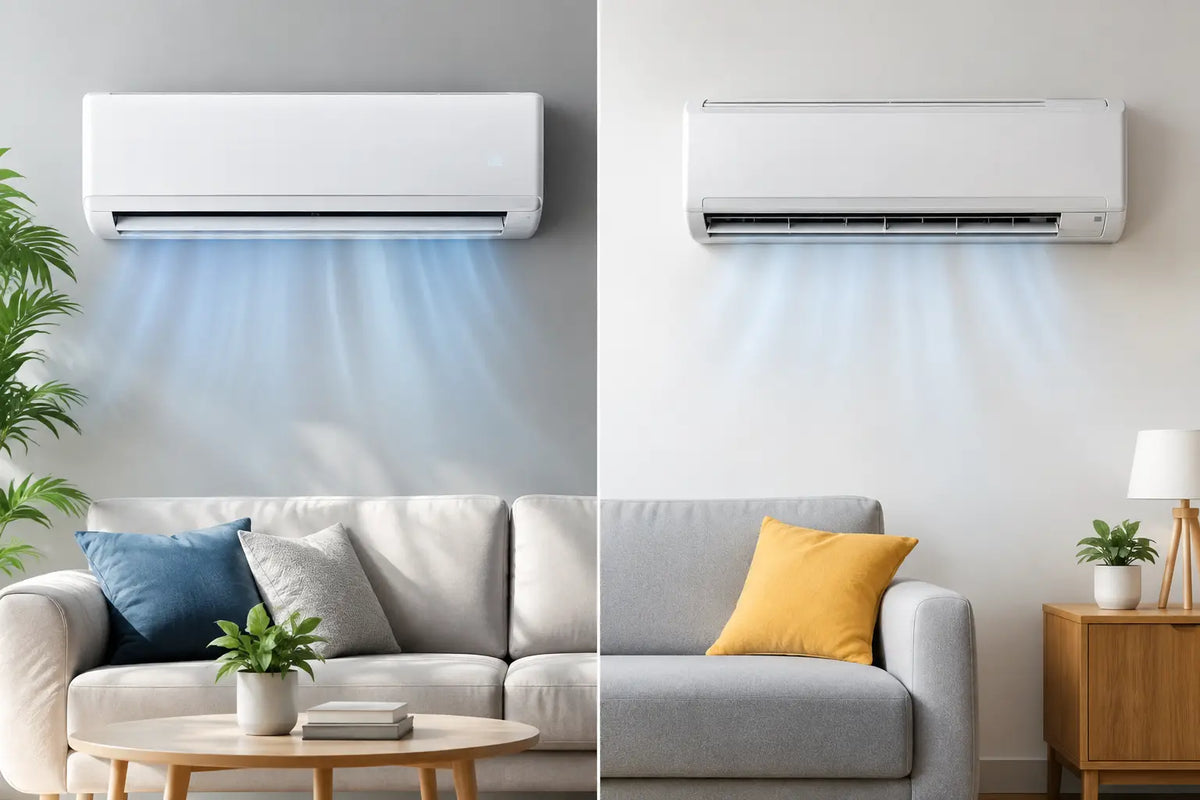
Inverter Versus Non Inverter Aircon: The Core Difference
The compressor is the engine of an air-conditioning system. A non-inverter aircon typically works at one fixed speed. When the room temperature rises above the set point, the compressor turns on at full output. Once the set temperature is reached, it turns off. This on-and-off cycle repeats throughout the day.
An inverter aircon uses a variable-speed compressor. Rather than repeatedly stopping and restarting, it can reduce or increase its output to match the room's actual cooling demand. It may run harder when you first enter a hot room, then slow down once the temperature becomes stable.
That operating difference is why inverter models usually provide steadier comfort and lower energy consumption during normal, extended use. It is also why they generally cost more upfront.
Energy Use: Where Inverter Systems Usually Pull Ahead
A compressor consumes the most power when it starts and runs at high output. Because non-inverter models cycle at full capacity, they can use more electricity when air conditioning is needed for several hours at a time.
An inverter system avoids many of those repeated full-power starts. After bringing the room to the set temperature, it can maintain cooling at a lower speed. In a bedroom used every night, a living room cooled through hot afternoons, or an office occupied for full workdays, that can make a meaningful difference in utility costs over the life of the unit.
The savings are not identical in every property. An oversized unit, a room with poor insulation, doors that open constantly, or a system with incorrect refrigerant charge will reduce efficiency regardless of compressor type. A good inverter unit still needs proper capacity planning, correctly sized piping, sound insulation, and careful commissioning.
For a room used only occasionally for short periods, the energy advantage may be less dramatic. If a guest room is cooled for an hour once or twice a week, paying a significant premium for an inverter system may take longer to justify.
Comfort and Noise Levels
People notice inverter air conditioning most clearly at night. A non-inverter unit can create more noticeable changes in temperature because it alternates between full cooling and no compressor cooling. Some occupants are comfortable with that pattern; others find that the room feels too cold just before the compressor stops and slightly warm before it starts again.
Inverter units are designed to maintain a more even room temperature. Their lower-speed operation can also be quieter once the desired temperature is reached. This makes them particularly suitable for bedrooms, nurseries, meeting rooms, clinics, and other spaces where steady comfort and lower background noise matter.
Noise does not come from the compressor alone. Indoor-unit fan settings, mounting quality, drainage routing, vibration control, and the condition of the blower wheel also affect what you hear. Even a premium system can become noisy when installation shortcuts are taken.
Upfront Cost Versus Long-Term Value
Non-inverter aircons often have a lower purchase price. Their fixed-speed design is simpler, and they remain a practical option for buyers with a tight initial budget or for spaces with very limited operating hours.
Inverter units usually require a higher initial investment, but the calculation should not end there. Consider the total ownership cost: equipment, installation materials, expected electricity use, maintenance, possible repair needs, and the period you expect to keep the system. A lower-priced package can become expensive if it uses undersized copper piping, lower-grade insulation, poor electrical materials, or rushed installation practices that contribute to leaks and inefficient performance.
For properties where cooling is used daily, it is often wiser to spend on a correctly specified inverter system and a quality installation than to focus only on the lowest unit price. The system should be designed to deliver reliable cooling for years, not simply to pass the first few months after installation.
Installation Quality Matters as Much as the Aircon Type
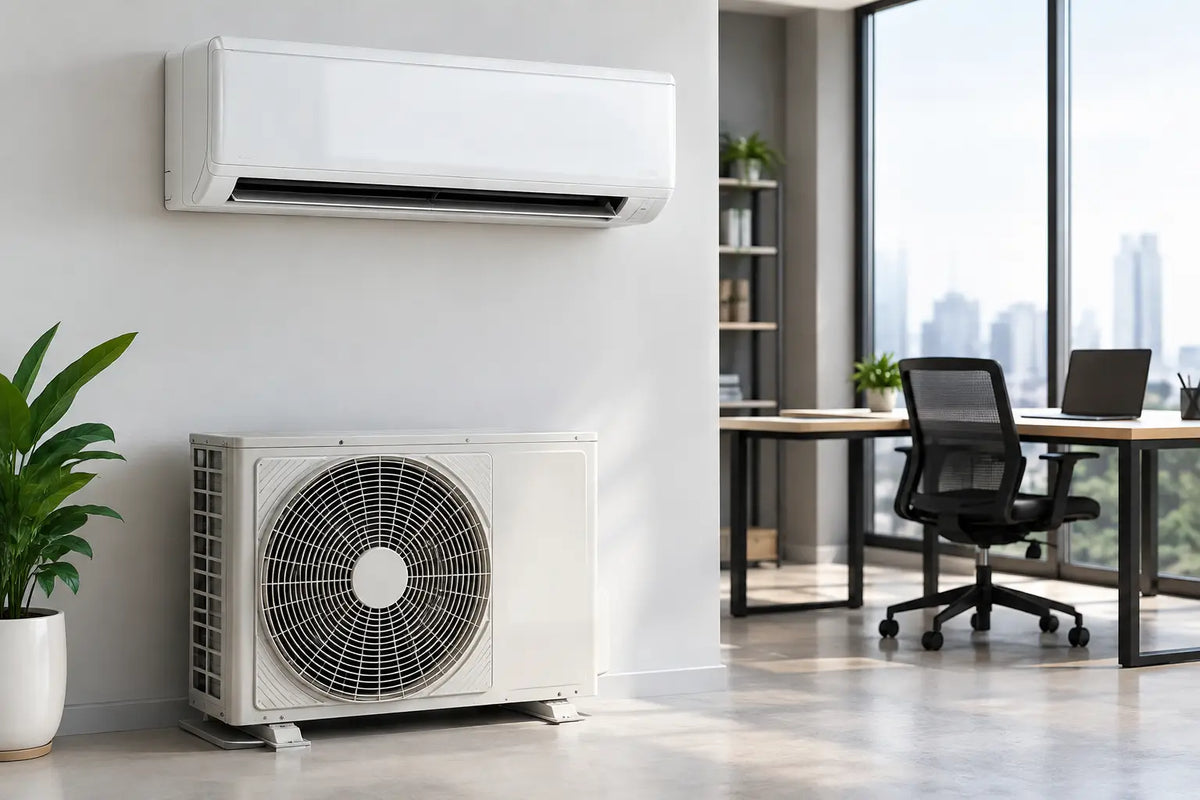
An aircon is a complete system, not just an indoor unit and an outdoor condenser. The equipment must work with the refrigerant piping, insulation, drainage pipe, electrical cable, brackets, trunking, and connection points. Weak workmanship in any of these areas can affect both inverter and non-inverter systems.
Inverter models, in particular, are built around precise variable operation. Refrigerant leaks, moisture left in the piping, poor flare connections, or incorrect vacuuming can undermine the efficiency and reliability you paid for. A professional installation team should pressure-test the piping, perform a proper vacuum process, check drainage, secure the units neatly, and test operation before handover.
Premium materials also serve a practical purpose. Durable closed-cell insulation helps reduce condensation risk and energy loss. Appropriately thick copper piping supports dependable refrigerant flow and long-term integrity. Proper cable sizing and neat routing help protect system performance while keeping the finished installation orderly.
This is why Commercestar Engineering emphasizes installation standards alongside the choice of brand and model. A high-efficiency aircon deserves materials and workmanship that allow it to perform as designed.
Maintenance Needs: Neither System Is Maintenance-Free
One common misconception is that inverter aircons need no servicing because they are more efficient. Both inverter and non-inverter systems need regular care. Filters collect dust, blower wheels can become dirty, drain lines can clog, and outdoor condensers accumulate debris. Neglect often leads to weak airflow, odors, water leaks, reduced cooling, and unnecessary strain on the compressor.
Inverter systems contain more sophisticated electronics, so diagnosis can be more technical if a fault occurs. That is not a reason to avoid them. It is a reason to choose a service provider with trained technicians, proper testing methods, and clear communication about the actual cause of a problem.
Regular maintenance is especially valuable in high-use environments. Restaurants, retail spaces, offices, and homes with pets may need more frequent attention than lightly used rooms. The goal is not to service a system unnecessarily. It is to keep heat exchange, drainage, airflow, and refrigerant performance in good condition before minor issues turn into costly repairs.
Which Aircon Should You Choose?
Choose an inverter aircon if you expect to run it regularly, value quieter and more stable cooling, and are willing to invest more upfront for potential long-term energy savings. It is usually the stronger fit for bedrooms, living areas, multi-room homes, offices, and commercial spaces with predictable daily occupancy.
A non-inverter model can still make sense for a seldom-used room, a temporary setup, or a project where upfront cost is the overriding concern. It may also be suitable where operating patterns are brief and infrequent rather than continuous.
Capacity selection is equally important. A unit that is too small may run continuously and struggle on hot days. A unit that is too large may cool the space too quickly without managing humidity as effectively. Room size, ceiling height, sun exposure, number of occupants, appliances, and usage patterns should all be considered before choosing a system.
The best purchase is not simply the cheapest package or the model with the highest advertised efficiency rating. It is the aircon system that fits your space, is installed with care, and is supported by reliable maintenance after the job is complete. Start with an honest assessment of how you use the room, then choose the equipment and installation standard that will keep it comfortable without creating avoidable problems later.