Aircon Quotation Guide for Smarter System Choices
A low aircon quote can look attractive until the installation day reveals excluded piping, basic insulation, extra electrical work, or an undersized system that never cools the room properly. This aircon quotation guide helps homeowners and business owners compare proposals based on what will actually be installed, not just the number at the bottom of the page.
For a Singapore HDB, condo, landed home, office, or retail unit, an air-conditioning quotation should make the decision easier. It should clearly show the equipment, installation materials, labor scope, and any conditions that may affect the final price. When those details are vague, it becomes difficult to know whether you are comparing equal systems.
Start Your Aircon Quotation Guide With System Design
The outdoor condenser and indoor fan coil units are only one part of a complete cooling system. Before comparing prices, confirm that every quotation is based on the same system configuration, brand series, and cooling capacity.
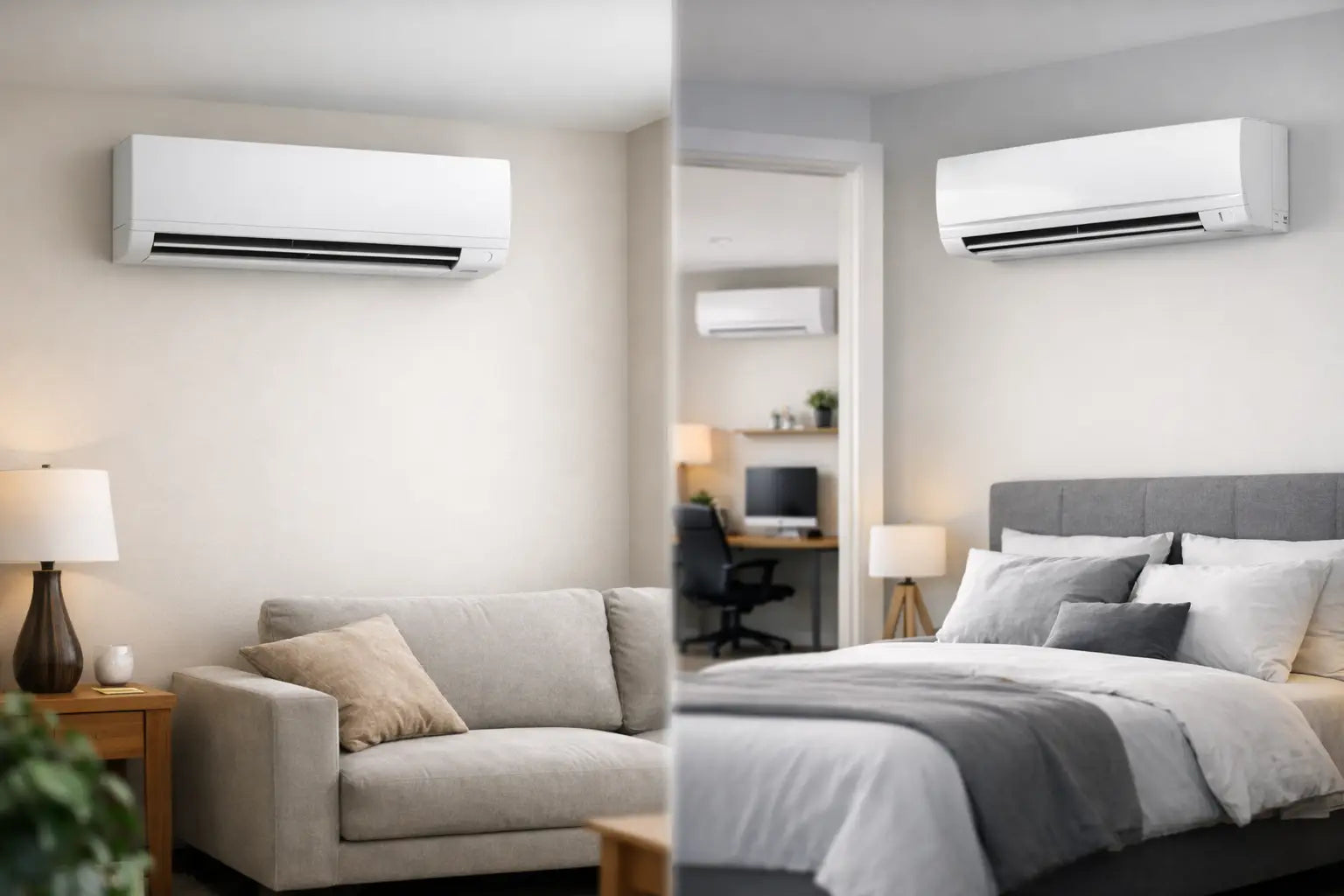
A typical residential proposal may state System 2, System 3, System 4, or System 5. This refers to the number of indoor units connected to one outdoor condenser, but it does not automatically mean each quote offers the same performance. One package may use a more efficient condenser, while another may have a different connected capacity or lower-rated fan coils.
Ask the supplier to specify the model number for every indoor and outdoor unit. Model numbers matter because they identify the actual efficiency rating, capacity range, features, and warranty coverage. Brand names alone are not enough. A quote for a Mitsubishi Starmex, Daikin, Panasonic, or Mitsubishi Heavy Industries system should identify the precise series being supplied.
Capacity should match the room, not merely follow a standard package. A small bedroom may be suitable for a lower-capacity fan coil, while a west-facing master bedroom, open-plan living area, glass-heavy office, or heat-producing retail space may require more cooling. Ceiling height, occupancy, direct sunlight, cooking activity, equipment load, and insulation all affect the recommendation.
An oversized unit may cycle too frequently and waste energy. An undersized unit may run continuously, struggle during hot afternoons, and wear faster. The right quotation includes practical system planning rather than a one-size-fits-all arrangement.
What a Complete Aircon Quotation Should Include
A clear quotation separates the equipment cost from the installation scope. This protects you from assumptions and gives you a useful record of what was agreed before work starts.
Look for a defined description of the indoor units, outdoor condenser, remote controls, mounting brackets, drainage arrangement, trunking, and commissioning. It should also indicate whether delivery, transportation, basic installation labor, testing, and cleanup are included.
The installation materials deserve close attention. They are largely hidden after the work is completed, yet they influence cooling performance, condensation control, system lifespan, and the appearance of your home or business.
Copper Piping and Insulation
Copper piping carries refrigerant between the indoor and outdoor units. Its quality, thickness, sizing, and installation method affect the system over many years. A quotation should state the pipe specification instead of using broad wording such as standard copper.
For example, thicker 21 SWG copper piping provides greater durability than lighter-gauge alternatives. Proper piping installation also involves correct routing, secure support, pressure testing, vacuuming, and insulation at every required section. These steps help reduce the risk of refrigerant leaks, poor performance, and expensive rectification work later.
Insulation is equally important in Singapore's humid climate. Good insulation helps prevent energy loss and reduces the chance of sweating or condensation along the pipe route. Premium materials such as K-FLEX TITAN Class 0 insulation are designed for stronger thermal performance and fire safety than basic alternatives. If one quotation includes upgraded insulation and another does not specify its material, the lower quote may not represent the same installation standard.
Electrical Cables, Drainage, and Finishing
Your proposal should also identify the electrical cable type, drainage pipe arrangement, and any control wiring required. Singapore-made cables and properly sized electrical components offer added assurance for a permanent installation. Drainage pipes must be routed with the right fall and connected carefully to avoid water leaks, odors, or backflow issues.
Finishing work can substantially change the appearance of an installation. Ask whether PVC trunking, piping box-up, wall penetrations, patching, painting, or false-ceiling access are included. A neat piping box-up can make exposed routes look more polished, but it is normally a separate scope from basic aircon installation. Knowing this upfront prevents friction when the installer arrives.
Compare Scope, Not Just the Final Price
The most useful way to compare an aircon quotation is to place each proposal side by side and check the line items. Do not assume terms such as free installation or standard materials mean the same thing across suppliers.
Review these key areas:
- Exact brand, model numbers, quantity, and cooling capacity of all equipment
- Copper pipe gauge, insulation brand and class, cable specification, and drainage materials
- Included piping length and the price for additional length if site conditions require it
- Brackets, trunking, wall coring, dismantling, disposal, and finishing work
- Warranty coverage for equipment, workmanship, and service response after installation
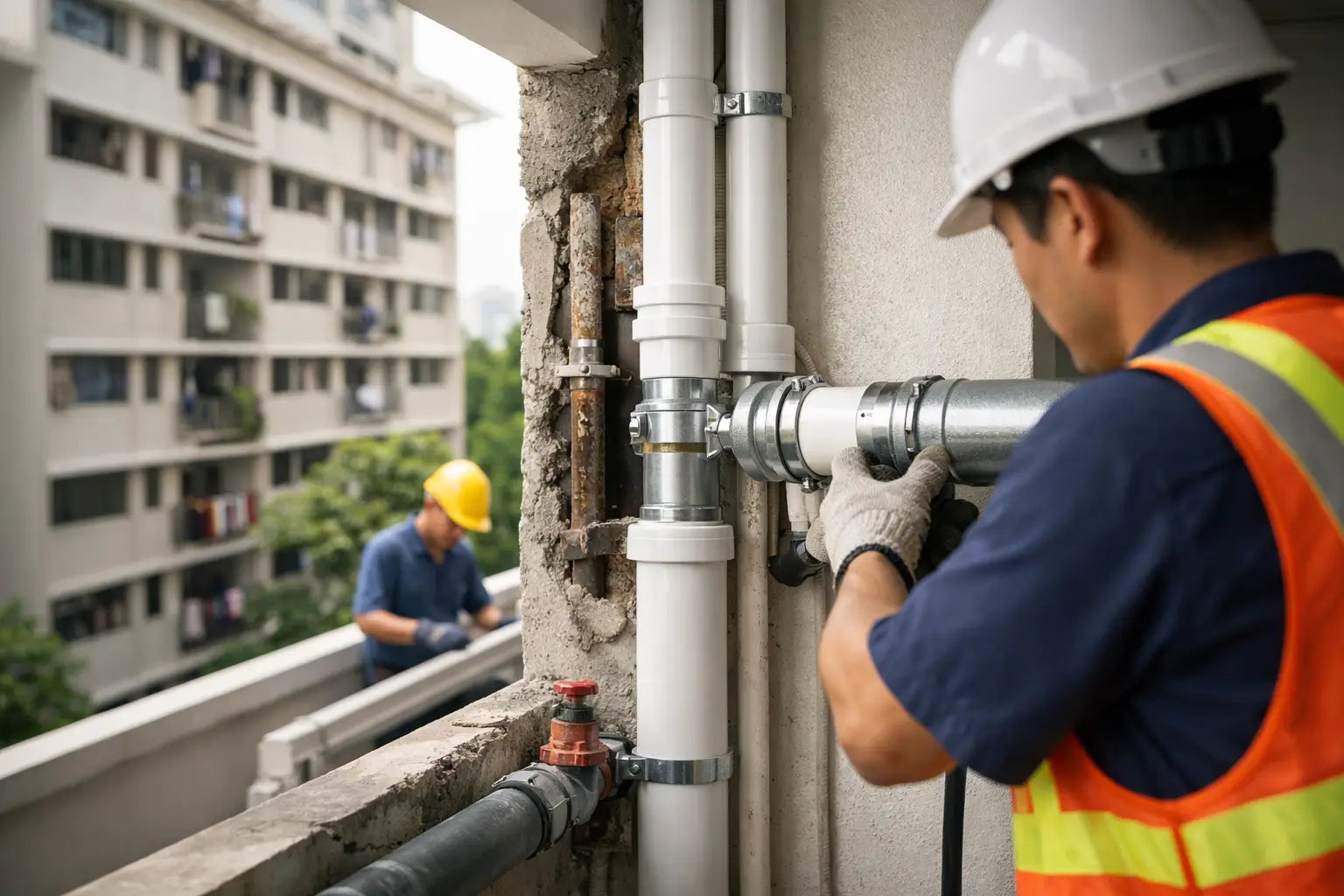
Site conditions also matter. Outdoor units placed on a ledge, high floor, roof, or restricted service area may require special access, lifting arrangements, or additional safety procedures. Existing concealed piping may need inspection before it can be reused. It can save money when it is in good condition, but reusing damaged or incompatible piping can create reliability problems that outweigh the initial savings.
Watch for Exclusions and Provisional Charges
A trustworthy quotation does not pretend every site is identical. Some costs can only be confirmed after a site survey, especially when there are hidden pipes, limited access, electrical upgrades, or renovation-related constraints.
The key is transparency. If an item is excluded or provisional, it should be plainly stated with a rate or explanation. Be cautious when a quotation is unusually brief, has no stated materials, or promises a complete package without describing what complete means.
Common variable items include extra piping, additional trunking, dismantling old units, disposal, chemical wash for retained units, electrical isolators, condensate pumps, scaffolding, and repair of damaged walls or ceilings. These are not necessarily red flags. They become a problem only when they are raised after work begins without prior explanation.
For commercial premises, ask whether the quotation includes after-hours work, building management permits, insurance requirements, commissioning reports, and coordination with renovation contractors. An office or F&B installation may involve more than placing fan coils on a wall. Good planning keeps the project moving and minimizes disruption to operations.
Assess Workmanship and After-Sales Support
Air-conditioning is a long-term installation, so the supplier's process matters as much as the hardware. Ask who performs the work. A managed in-house installation team generally gives you clearer accountability than loosely coordinated subcontract labor, particularly if adjustment or service is needed after handover.
Professional installation should include pressure testing to check for leaks, vacuuming to remove moisture and air from the refrigerant lines, and final testing of cooling, drainage, and controls. These are essential technical steps, not optional upgrades. Poor commissioning can lead to reduced efficiency, water leakage, or premature compressor issues.
Also confirm the difference between manufacturer warranty and workmanship warranty. The manufacturer may cover the air-conditioning equipment for a specified period, while the installer covers defects related to pipes, drainage, wiring, and installation labor. Understand how to request support, what response process applies, and whether ongoing maintenance plans are available.
At Commercestar Engineering, installation quality is treated as part of the product decision, with premium materials, clear scope, and lasting after-sales care designed to protect the investment beyond installation day.
Make the Decision With Confidence
The best quotation is not always the cheapest or the most expensive. It is the one that gives you a suitable system, clearly specified materials, professional installation, and a realistic view of any site-dependent costs. If two quotes differ greatly in price, ask what is different in capacity, piping, insulation, labor, finishing, and warranty before deciding.
A well-documented proposal gives you more than a price. It gives you a standard to hold the installation to, so your air-conditioning system can deliver dependable comfort long after the first cool breeze reaches the room.