Is Aircon Chemical Wash Necessary for Your Unit?
A wall-mounted air conditioner that suddenly drips onto the floor, smells musty when switched on, or takes far too long to cool is not always a sign that it needs replacement. But is aircon chemical wash necessary when these problems appear? Sometimes, yes. In many cases, however, a proper routine service is the more sensible and cost-effective first step.
Chemical washing is a deeper cleaning procedure designed for air-conditioning units with stubborn internal dirt buildup. It can restore performance when applied at the right time. It is not a maintenance shortcut to book automatically every few months, and it should not be used to hide an underlying mechanical fault.
What an Aircon Chemical Wash Actually Does
During normal operation, an indoor fan coil unit pulls in room air along with fine dust, moisture, skin flakes, pet hair, cooking residue, and airborne contaminants. The filter catches some of this material, but not all of it. Over time, dirt can collect on the evaporator coil, blower wheel, drainage tray, and condensate pipe.
A standard aircon service generally includes filter cleaning, checking the drain line, cleaning accessible parts, inspecting cooling performance, and identifying visible concerns. This is sufficient for a well-maintained unit that is cooling normally.
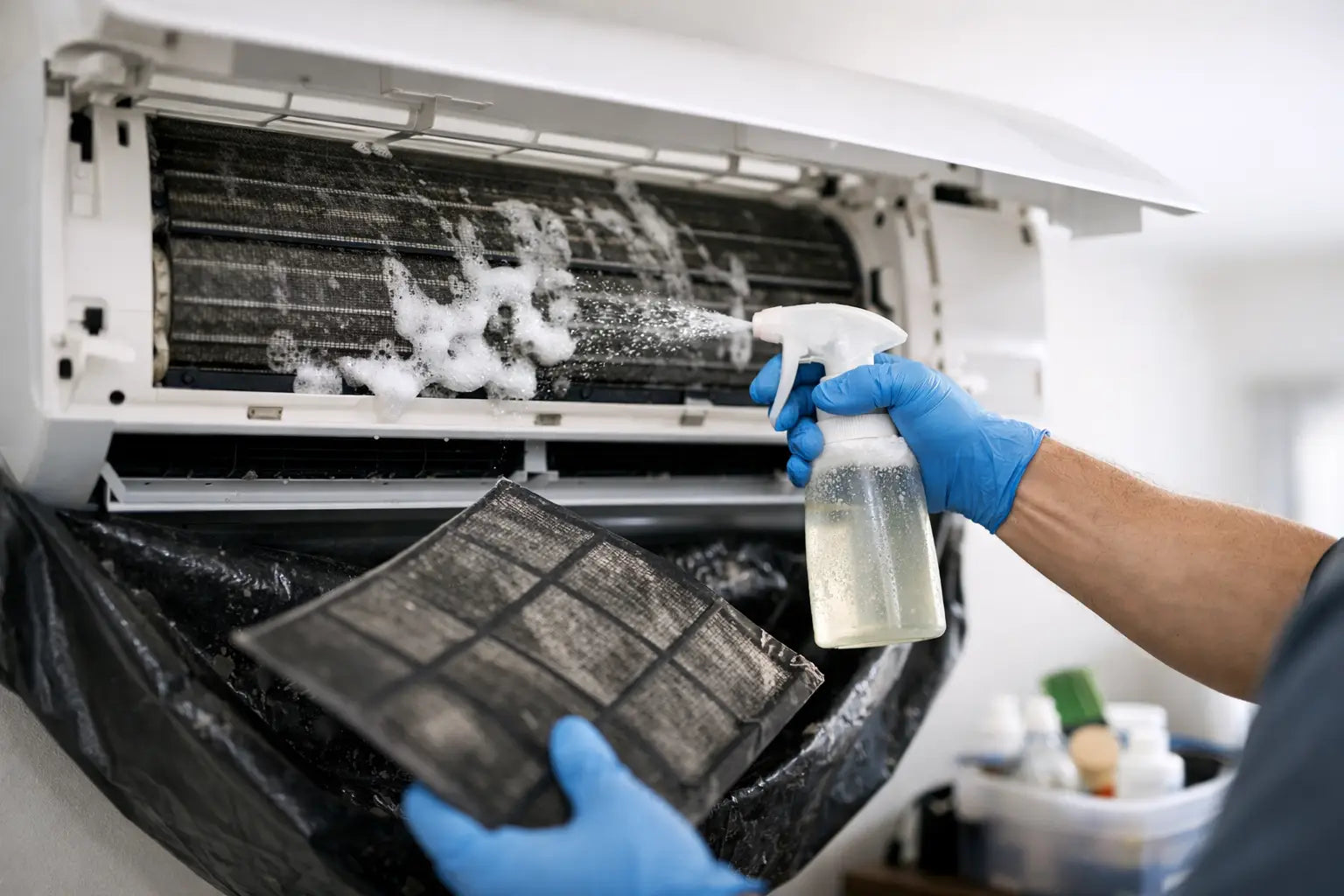
A chemical wash goes further. A technician dismantles the relevant components, applies an aircon-safe chemical cleaner to remove hardened grime and biological buildup, rinses the parts thoroughly, clears the drainage system, and reassembles the unit. The objective is to improve airflow, heat exchange, and drainage - not simply to make the unit look cleaner.
The quality of the work matters. Chemical residue left on a coil, rough handling of plastic parts, or incomplete flushing can create new issues. For this reason, homeowners and businesses should choose a service provider that explains what is being cleaned, checks the unit before recommending deep cleaning, and tests operation after reassembly.
Is Aircon Chemical Wash Necessary? Look for These Signs
Chemical washing is usually worth considering when dirt has moved beyond what routine servicing can remove. One common sign is weak airflow even when the fan setting is high and the filter has already been cleaned. A clogged blower wheel or evaporator coil can restrict air movement, making the room feel warm despite a running compressor.
Persistent water leakage is another reason to investigate. If the drain pan or pipe is blocked by sludge, water may overflow from the fan coil unit. A normal service may resolve a minor blockage. When buildup is heavy or leakage keeps returning, a chemical wash can provide a more complete clean of the drainage area.
Musty or sour odors can also point to mold, bacteria, or accumulated moisture inside the unit. Cleaning the filters alone may reduce the smell briefly, but odor that returns quickly often means the coil and blower section need deeper attention.
You may also notice that your electricity bill has risen without a meaningful change in usage. An air conditioner with a dirty coil works harder to transfer heat. It may run longer to achieve the set temperature, increasing energy consumption and placing more strain on the system.
For commercial spaces, the warning signs are often more operational. Uneven cooling in an office, uncomfortable customers in a retail unit, or a damp smell in an F&B setting should be addressed early. Waiting until a unit leaks during business hours can turn a manageable maintenance task into an urgent disruption.
When Routine Servicing Is Enough
Not every aircon issue calls for chemicals. If the unit is still cooling efficiently, has no odors or leaks, and receives regular maintenance, routine servicing is generally the right choice. In fact, consistent servicing is one of the best ways to reduce the frequency of chemical washes.
A homeowner who cleans filters regularly and schedules professional servicing every three to six months, depending on usage, may only need a chemical wash when clear symptoms develop. A lightly used guest room may need less attention than a living room unit running daily in Singapore's heat and humidity.
For offices, retail shops, and other high-use environments, maintenance intervals should reflect operating hours, occupancy, dust exposure, and ventilation conditions. A unit operating throughout the day in a busy space will collect contaminants faster than one used only occasionally.
There is also a practical financial reason not to over-service. Chemical washing involves more labor, dismantling, and cleaning materials than a standard service. Paying for it too frequently does not automatically deliver better cooling and may expose older components to unnecessary handling.
Chemical Wash vs. Chemical Overhaul
These terms are often used interchangeably, but they can describe different levels of work. A chemical wash generally focuses on deep cleaning the indoor fan coil unit, including its coil, blower, drain tray, and drain line.
A chemical overhaul is typically more extensive. The unit may be fully dismantled, with additional components cleaned and inspected in greater detail. It is often recommended for severe leaking, heavy dirt accumulation, long-neglected units, or systems with recurring performance problems that a regular chemical wash has not solved.
Neither service should be prescribed based on a generic schedule alone. A responsible technician should assess the condition of the unit first. If the problem is a failing drain pump, damaged insulation, refrigerant leak, faulty sensor, or worn fan motor, cleaning chemicals will not repair it.
What a Proper Assessment Should Cover
Before agreeing to a chemical wash, ask for a clear diagnosis. The technician should check airflow, cooling temperature, visible coil condition, drainage, unusual noise, and signs of refrigerant issues. For a leaking unit, the source of the water should be identified rather than assumed.
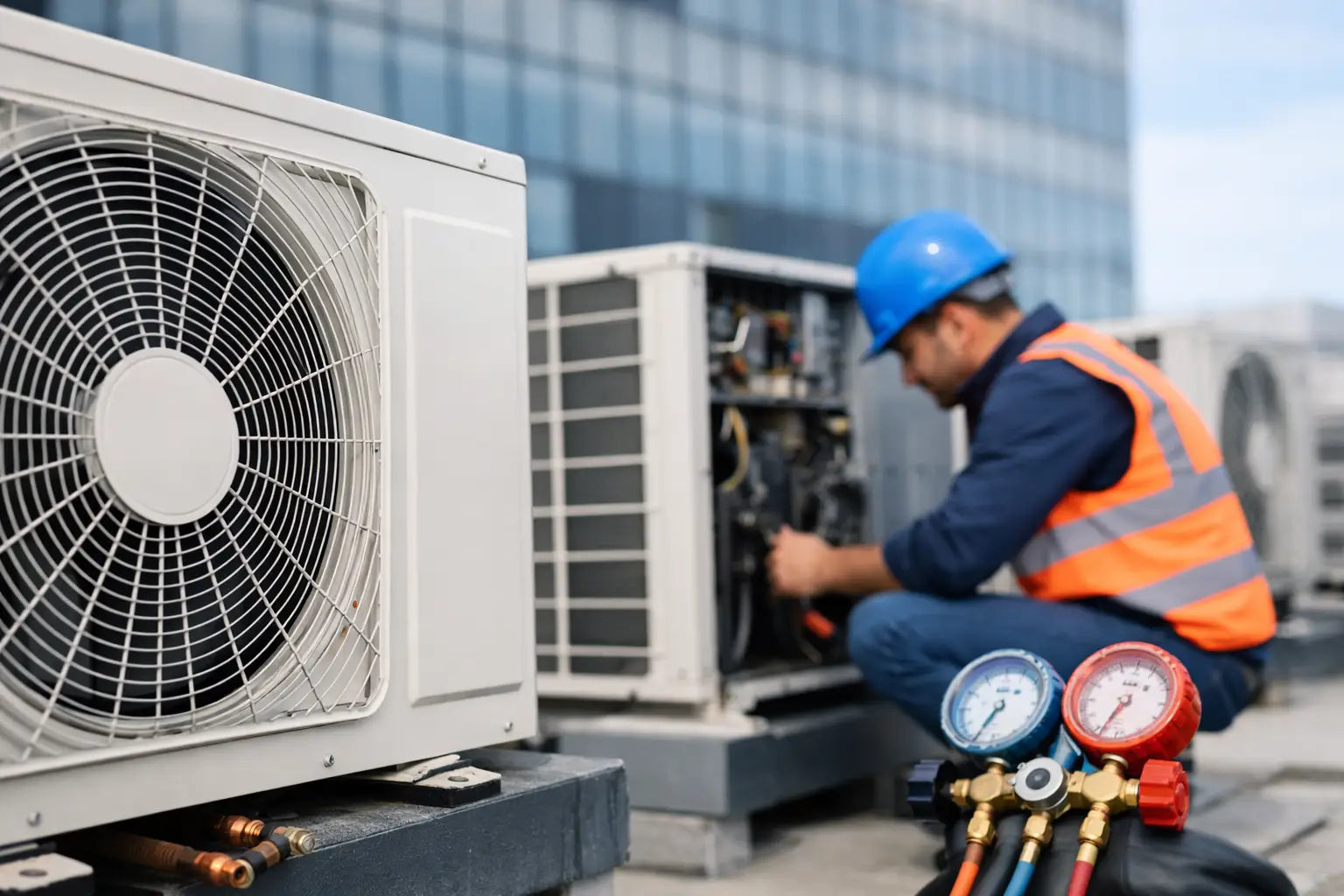
A professional assessment also separates indoor-unit dirt from outdoor condenser problems. A dirty condenser coil, electrical fault, low refrigerant charge, or compressor issue can all affect cooling. Treating every weak-cooling complaint with a chemical wash may lead to unnecessary spending and leave the real issue unresolved.
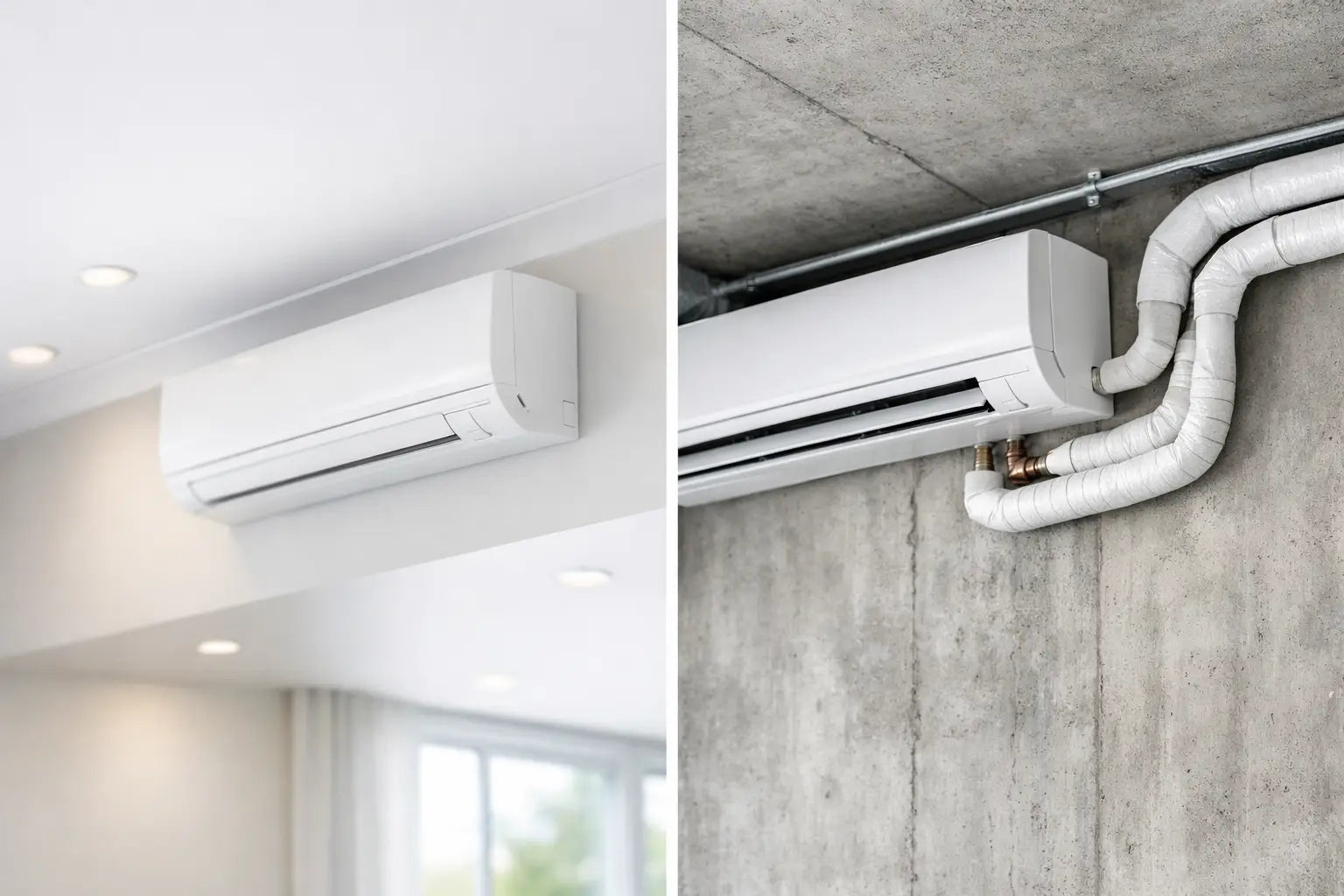
For homeowners planning a new installation, good installation workmanship helps prevent future headaches. Proper drainage gradient, correctly insulated piping, durable copper piping, and neat trunking work all contribute to reliable long-term operation. Maintenance can keep a system clean, but it cannot fully compensate for poor installation practices.
How Often Should You Schedule One?
There is no single calendar rule that suits every property. For many residential units, a chemical wash may be considered every one to two years only if inspection and performance justify it. Units exposed to heavy cooking fumes, pet hair, renovation dust, or constant daily use may need it sooner.
Businesses may require a more tailored plan. Restaurants, salons, clinics, retail spaces, and offices with high occupancy can place a heavier load on air-conditioning equipment. A planned maintenance program makes it easier to catch drainage buildup and reduced airflow before they affect customers or staff.
The best approach is condition-based maintenance supported by a regular service schedule. Keep filters clean, do not ignore minor leaks, and have a qualified technician inspect a unit when cooling changes. This protects both comfort and the lifespan of the equipment.
Choosing a Service Provider You Can Trust
Deep cleaning involves delicate coil fins, electrical connections, drainage components, and plastic covers. The lowest advertised price is not always the best value if the scope is unclear or the work is rushed.
Look for transparent pricing, a defined service scope, trained in-house technicians, and a willingness to explain findings before work begins. After the service, the unit should be tested for cooling, airflow, drainage, and normal operation. The work area should also be kept neat, especially in occupied homes, offices, and retail spaces.
Commercestar Engineering approaches aircon maintenance with the same focus on workmanship used for installation: diagnose carefully, recommend only what the unit needs, and carry out the work properly. That is the difference between a quick clean and service designed for lasting reliability.
If your air conditioner is leaking, smelling unpleasant, or struggling to cool after a normal service, a chemical wash may be the right next step. If it is running well, keep up with routine maintenance and let the condition of the unit - not a sales pitch - guide the decision.