Panasonic Inverter Aircon Review for Homes
A Panasonic air conditioner can look like a straightforward purchase until you compare BTU ratings, energy labels, piping specifications, and the installer’s scope of work. This Panasonic inverter aircon review focuses on the factors that matter after the sales invoice is paid: daily comfort, running costs, installation quality, and the level of care the system will need in Singapore’s heat and humidity.
For homeowners replacing an older non-inverter unit or planning air conditioning for a new home, Panasonic remains a credible option. Its inverter systems are generally known for quiet operation, practical energy-saving features, and a clean design that suits HDB apartments, condos, and landed homes. The better question is not simply whether Panasonic is a good brand. It is whether the selected system is correctly sized, professionally installed, and suitable for how your household actually uses each room.
What this Panasonic inverter aircon review finds
Panasonic inverter air conditioners are a strong choice for households that want efficient everyday cooling without paying only for a premium name. Inverter technology allows the compressor to adjust its output once a room approaches the chosen temperature. Instead of repeatedly starting and stopping at full power, it runs at a lower, more controlled level when demand drops.
That difference can help reduce electricity consumption, especially in homes where bedrooms run for many hours overnight or living areas are cooled daily. It can also make room temperatures feel more stable. A properly selected inverter unit does not need to blast cold air continuously to maintain comfort.
Panasonic’s range commonly appeals to buyers looking for practical features rather than unnecessary complexity. Depending on the model, these may include app-based control, air purification functions, humidity-related comfort settings, and adjustable airflow. These features are useful, but they should not distract from the essentials: correct capacity, efficient operation, good drainage, and leak-free piping.
The main trade-off is that Panasonic may not be the automatic best fit for every property. Buyers who prioritize the widest selection of high-capacity configurations, highly specialized smart controls, or a particular installer support network may also compare Daikin, Mitsubishi Electric, Mitsubishi Heavy Industries, and other established options. Brand comparison matters, but installation standards often have a bigger effect on long-term performance than small differences on a brochure.
Cooling performance in real homes
In Singapore, an air conditioner is working against more than outdoor heat. It must also manage humidity, solar gain through windows, cooking heat, electronics, and the number of people in the room. Panasonic inverter units can provide comfortable, consistent cooling when their capacity matches these conditions.
A bedroom in an HDB flat may need a very different capacity from a west-facing master bedroom with large windows. Likewise, an open-concept living and dining area cannot be treated like a closed bedroom simply because their floor areas seem similar. Undersizing can leave a unit running constantly without reaching a comfortable temperature. Oversizing can create short cooling cycles and less effective moisture removal.
This is why a proper site assessment matters. An experienced installer should ask about room dimensions, ceiling height, sun exposure, use patterns, and the number of indoor units needed. For multi-split systems, the outdoor condenser must also be matched correctly to the connected fan coil units. A system can have excellent specifications on paper and still disappoint if the combination is poorly planned.
Noise and overnight comfort
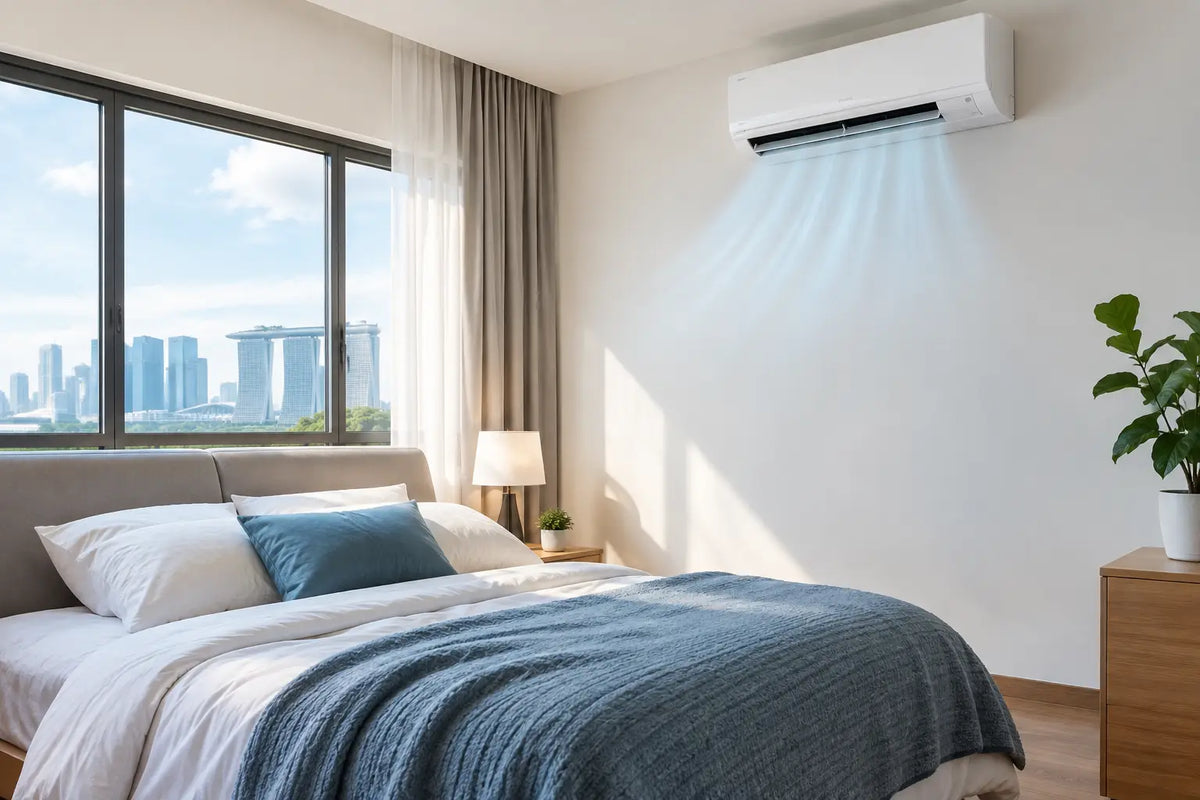
Panasonic inverter air conditioners are generally well suited to bedrooms because indoor units can operate quietly at lower fan speeds. For light sleepers, this is often as valuable as the energy label. The difference between a quiet unit and a noisy installation can determine whether an air conditioner improves sleep or becomes a nightly irritation.
However, noise is not caused only by the fan coil unit. Vibration from an outdoor condenser, loose trunking, improperly supported piping, or an incorrect installation angle can all create unwanted sounds. A neat, secure installation protects both comfort and the appearance of the home.
Energy efficiency depends on usage and setup
An inverter system can lower operating costs, but it is not a promise of a low electricity bill under every condition. A unit running 10 hours a day at a very low temperature will still consume meaningful power. Dirty filters, blocked coils, refrigerant loss, and poor insulation can also force the compressor to work harder.
For better efficiency, set a sensible temperature rather than turning the unit down aggressively. Keep doors and windows closed while cooling, clean washable filters regularly, and schedule professional servicing before performance visibly drops. If an air conditioner takes longer to cool than before, drips water, smells musty, or produces unusual noise, it should be checked early rather than pushed through another season.
The piping materials behind the wall are equally important. Refrigerant lines need suitable copper thickness, high-quality insulation, correct brazing, proper pressure testing, and careful drainage routing. Inferior insulation can lead to condensation and energy loss. Poor joints may cause refrigerant leaks that reduce cooling and can become costly to rectify once finishes are complete.
For this reason, a low package price should always be examined carefully. Ask what piping, insulation, electrical cable, condensate drain line, trunking, brackets, and testing procedures are included. The equipment is only one part of the complete air-conditioning system.
Installation quality is the deciding factor
A Panasonic inverter aircon review should not evaluate the indoor and outdoor units in isolation. In Singapore homes, the installation determines whether the system looks tidy, drains reliably, and continues to cool efficiently years later.
A professional installation starts with planning the pipe route and indoor unit positions. Technicians need sufficient access for future service work, while avoiding poor drainage gradients and awkward trunking runs. Outdoor units should be mounted securely with enough clearance for heat discharge and maintenance. The job should finish with pressure testing, vacuuming, drainage testing, and a clear handover to the customer.
Vacuuming is especially important. It removes air and moisture from the refrigerant circuit before gas is released into the system. Skipping this step can affect cooling performance and compressor reliability. It is a technical detail customers may not see, which is exactly why workmanship standards should be clear before installation begins.
At Commercestar Engineering, this approach is reflected in premium installation materials and managed in-house installation teams. For homeowners, that means looking beyond the fan coil model number and choosing a contractor that treats piping, insulation, electrical work, and finishing as part of the product you are buying.
Maintenance expectations for Panasonic systems
Like every split-system air conditioner, a Panasonic inverter unit needs regular care. In a humid climate, dust and moisture collect on filters, evaporator coils, blower wheels, and drain pans. Without cleaning, airflow can weaken, odors may develop, and water may begin dripping from the indoor unit.
Basic filter cleaning can be handled by many homeowners, following the manufacturer’s instructions. Professional servicing is still needed to clean internal components safely, inspect drainage, check operating condition, and identify early signs of refrigerant or electrical issues. Homes with pets, heavy daily use, or occupants sensitive to dust may benefit from more frequent servicing.
Do not wait for complete failure. Weak cooling, ice formation, persistent leaking, circuit breaker trips, error codes, or rattling noises are service issues, not normal signs of age. Early diagnosis can protect the compressor and prevent avoidable damage to ceilings, walls, and furnishings.
Who should choose Panasonic inverter air conditioning?
Panasonic is worth considering if you want a dependable inverter system for regular residential use, value quiet cooling, and prefer practical features that support daily comfort. It can work particularly well for bedrooms and family living spaces where the system runs for long periods and energy efficiency matters.
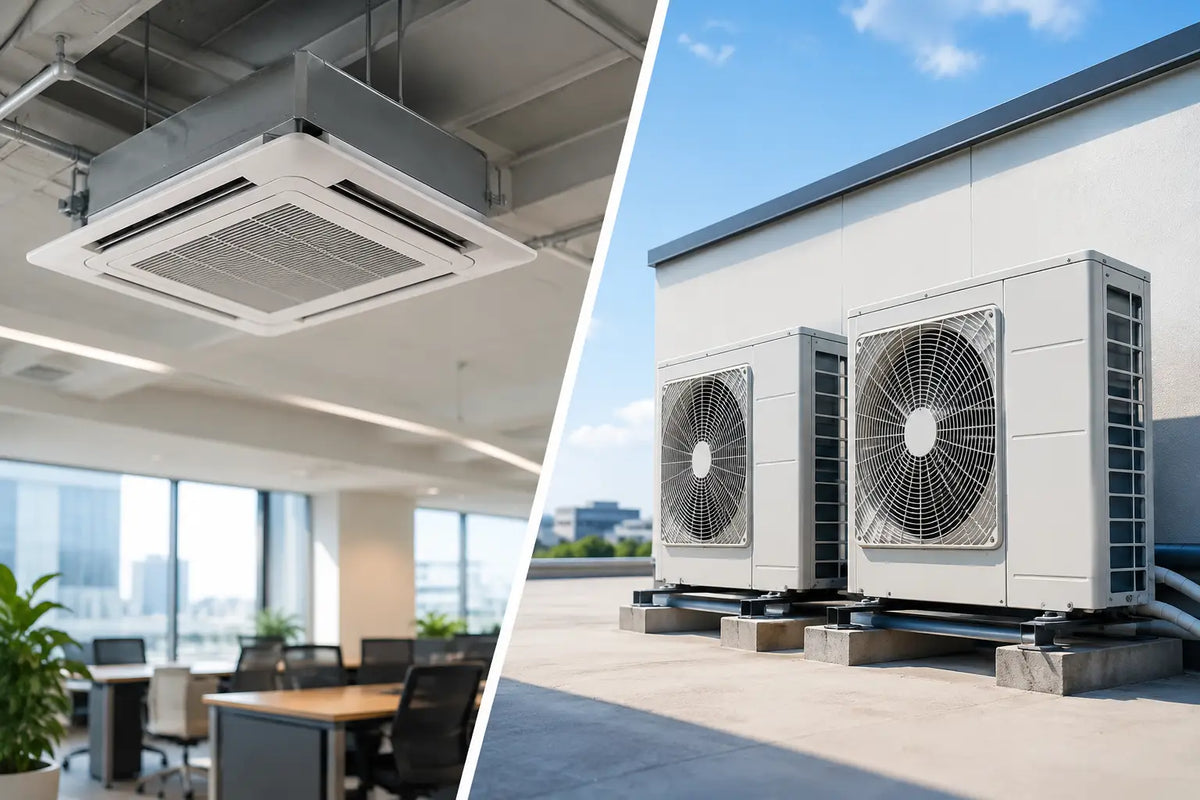
It may be less suitable if your decision is based solely on the lowest upfront cost. A system installed with thin piping, poor insulation, rushed drainage work, or limited after-sales support is not a bargain when repairs arrive later. Commercial users should also assess cooling load, operating hours, occupancy, and backup requirements more carefully, since an office, retail shop, or F&B outlet has different demands from a home.
Before choosing any Panasonic configuration, ask for a clear recommendation based on your rooms, expected usage, and installation conditions. The most satisfying air-conditioning purchase is not the one with the longest feature list. It is the one that cools evenly, runs efficiently, looks neat, and remains easy to service long after move-in day.