Commercial Aircon Maintenance Planning That Works
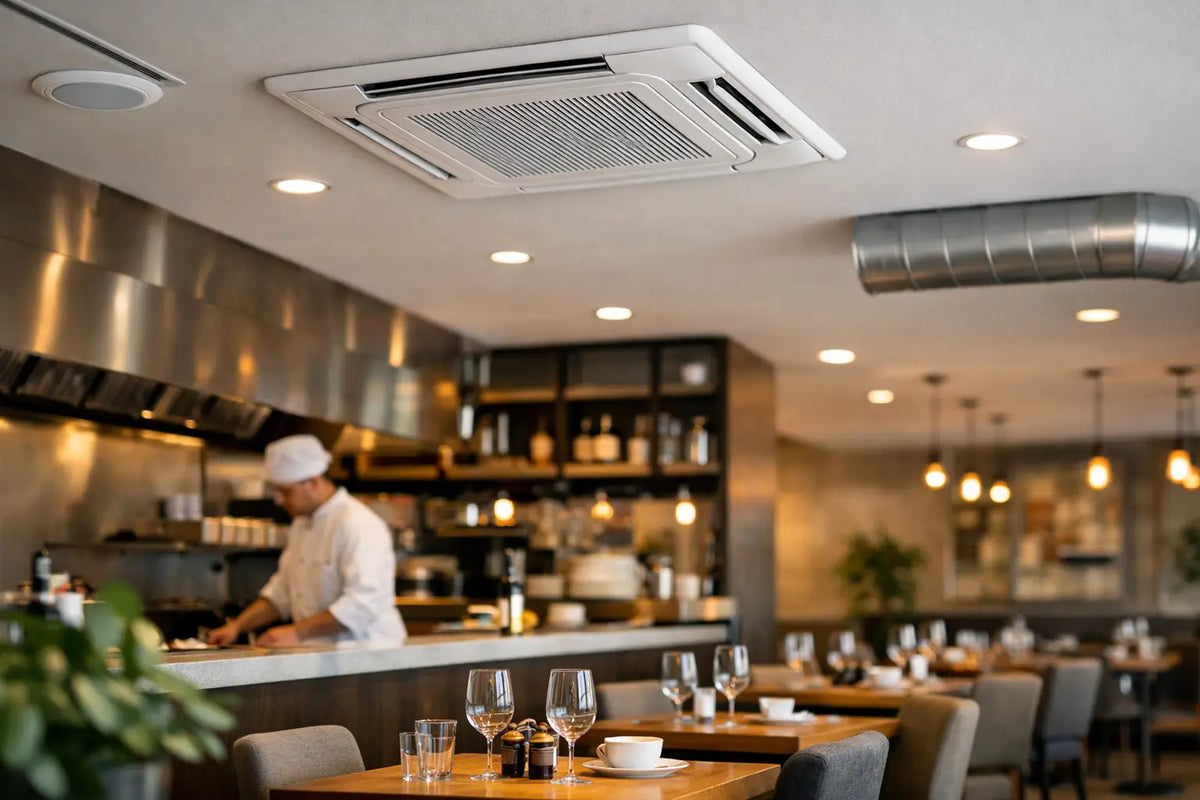
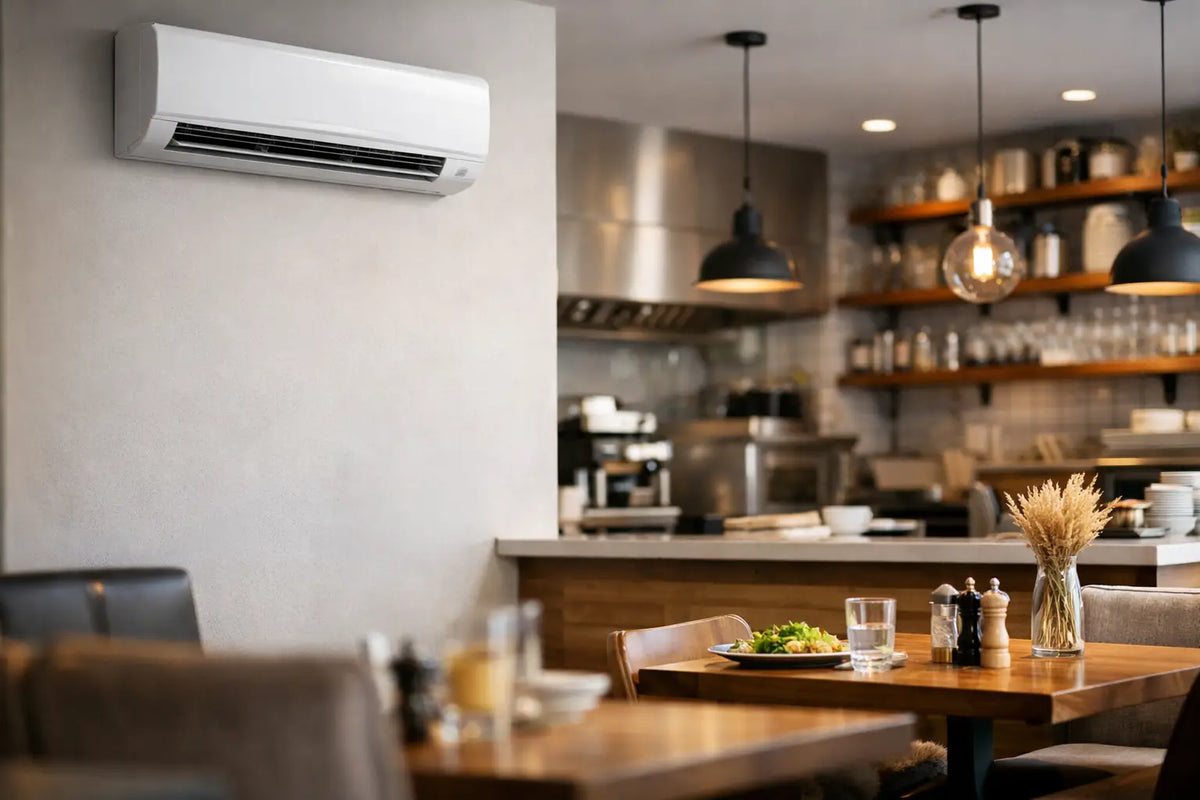
A crowded restaurant loses its cooling during the dinner rush. An office receives complaints from one warm meeting room after another. A retail store finds water dripping from a ceiling cassette onto merchandise. These are not just air-conditioning problems. They are planning problems.
Commercial aircon maintenance planning gives business operators control over the condition, cost, and reliability of their cooling systems before a small fault disrupts staff, customers, stock, or daily operations. The objective is not simply to clean filters on a calendar. It is to maintain stable performance, identify developing defects early, and schedule work around the way your business actually operates.
Start With the Building and Its Operating Demands
A useful maintenance plan starts with an accurate picture of the equipment and the space it serves. Commercial properties rarely have identical requirements. An office with predictable weekday hours places a different load on its system than a restaurant with hot kitchens, fluctuating occupancy, and long operating hours. Retail spaces, clinics, server rooms, warehouses, and production areas each have their own comfort and cooling priorities.
Record every indoor and outdoor unit, its location, model, approximate age, capacity, and the rooms or zones it serves. This equipment register helps a facility manager see which units are critical and which failures would have the greatest operational impact. A unit cooling a server room or food preparation area deserves closer monitoring than one serving a low-traffic storage room.
The same review should identify common conditions that affect aircon performance: long operating hours, high occupant density, grease exposure, dust, poor ventilation, direct afternoon sun, and frequent door opening. These factors determine service frequency more reliably than a generic once-a-year schedule.
Set the Right Commercial Aircon Maintenance Planning Frequency
There is no responsible one-size-fits-all interval. For a lightly used office system in a clean environment, quarterly servicing may be a suitable starting point. A busy restaurant, salon, gym, clinic, or retail unit with heavy foot traffic may need monthly or bi-monthly attention to prevent dirt buildup, drainage issues, and declining airflow.
A practical schedule separates routine preventive visits from deeper inspections. Routine visits focus on the components most likely to affect day-to-day comfort and efficiency: filters, evaporator coils, drain pans, drain lines, blowers, operating temperatures, and visible signs of leakage. Periodic deeper checks look at electrical connections, insulation condition, refrigerant performance, outdoor condenser cleanliness, mounting, vibration, and control operation.
The trade-off is straightforward. More frequent visits cost more upfront, but they can reduce the chance of emergency callouts, water damage, poor indoor comfort, and shortened equipment life. The correct interval depends on operating conditions and the consequences of downtime, not simply on what is cheapest today.
Plan Service Around Business Hours
Maintenance only works when it can be carried out properly. Schedule access with tenants, department heads, kitchen managers, and site security before the technician arrives. For customer-facing locations, early morning, closing hours, or lower-traffic periods may be better choices. For offices, servicing before staff arrive can reduce disruption and avoid blocked work areas.
Do not treat this as a minor administrative detail. Technicians need safe access to indoor units, ceiling voids, electrical isolators, condensers, and drainage points. Missed access creates incomplete servicing, repeat visits, and unnecessary cost.
Focus on the Failures That Cause Real Disruption
The most expensive aircon issue is often not the repair bill. It is the business interruption around it. A planned program should target the failures that commonly escalate when left unattended.
Dirty filters and coils restrict airflow, forcing the system to work harder for less cooling. Blocked drainage can cause water leaks, ceiling damage, and tenant complaints. Loose electrical connections can affect reliability and create safety concerns. Worn insulation on refrigerant piping can lead to condensation, energy loss, and unsightly water stains. Refrigerant leaks may reduce cooling gradually, which means they can go unnoticed until rooms are no longer comfortable.
Technicians should document these findings clearly rather than simply stating that a unit has been serviced. A useful service report identifies the unit location, work completed, observed condition, recommended corrective action, and urgency. This gives the business owner a record for budgeting and avoids vague conversations when a repair is later needed.
For larger sites, divide findings into three categories: immediate repair items, work that should be completed before the next service cycle, and items to monitor. This approach prevents both extremes - ignoring genuine risks and replacing parts prematurely without evidence.
Build a Maintenance Calendar and a Repair Budget
Commercial aircon maintenance planning is stronger when it connects service dates to financial planning. Start with a 12-month calendar showing routine visits, deeper inspections, anticipated high-load periods, lease events, renovation works, and business peak seasons. Restaurants may want critical work completed before festive demand periods. Retail operators may prefer servicing before major sales campaigns. Offices may schedule more intensive work during holiday closures.
Set aside a separate repair allowance rather than expecting a maintenance contract to cover every replacement component. Preventive maintenance reduces risk, but no plan can eliminate normal wear, accidental damage, or equipment reaching the end of its service life.
Your budget should consider system age and reliability history. A newer, well-installed system may mainly require routine cleaning and monitoring. An older system with repeat drainage faults, recurring gas top-ups, compressor stress, or unstable cooling should be assessed more carefully. Repeated temporary repairs can become more costly than a targeted replacement plan.
Avoid Planning by Complaint Alone
Waiting until occupants complain creates a reactive cycle. By the time a room feels warm, the system may already be operating inefficiently, consuming more energy, or placing strain on key components. Complaints still matter, but they should be treated as data points within a larger maintenance record.
Track recurring issues by unit and location. If the same room repeatedly has weak airflow, investigate ducting, blower condition, controls, unit sizing, heat load, or drainage design instead of repeatedly applying a surface-level fix. If an outdoor unit is constantly dirty, consider whether its location exposes it to construction dust, exhaust, or restricted airflow.
Patterns are where better decisions come from.
Choose a Contractor That Can Support the Plan
A commercial maintenance plan is only as dependable as the people carrying it out. Look for a provider with a clear service scope, experienced in-house technicians, transparent recommendations, and the ability to handle both scheduled maintenance and responsive repairs. For businesses, consistency matters. The service team should understand the site history instead of approaching every visit as a first-time call.
Ask how service reports are delivered, whether corrective work is quoted before proceeding, how urgent breakdowns are handled, and whether the contractor can coordinate after-hours access. It is also worth asking about technical standards for any replacement or installation work. Quality materials, properly sized piping, dependable insulation, correct drainage gradients, and neat electrical work all influence future maintenance demands.
Commercestar Engineering approaches commercial support with this long-term view: professional workmanship, structured maintenance care, and clear recommendations that help operators protect their cooling investment rather than chase the lowest short-term price.
Review Results Every Quarter
A plan should evolve as the business changes. Review service reports every quarter and ask a few direct questions: Which units needed repeat attention? Were there water leaks, temperature complaints, or unplanned shutdowns? Did operating hours change? Has the space been renovated, repartitioned, or fitted with new heat-generating equipment?
This review may reveal that one area needs a tighter service interval while another can remain on a standard schedule. It may also highlight a design issue that maintenance alone cannot solve, such as undersized capacity, inadequate ventilation, poorly located thermostats, or an aging system that is no longer economical to maintain.
The best time to make a commercial aircon decision is before comfort becomes a customer complaint or a shutdown becomes an emergency. A documented, site-specific maintenance plan keeps the conversation focused on performance, timing, and value - exactly where a well-run business needs it to be.