A Practical Guide to Aircon Replacement Timing
A system that cools only after running for an hour, leaks water onto the floor, or trips the power supply during a busy afternoon is not simply an inconvenience. In Singapore’s heat and humidity, it can disrupt sleep, work, tenants, customers, and daily operations. This guide to aircon replacement timing helps you decide when a repair still makes financial sense and when installing a new system is the more reliable long-term move.
Replacement should not be based on age alone. A well-maintained system can serve a property for many years, while a poorly installed or neglected unit may develop serious issues much earlier. The right decision comes from looking at the unit’s condition, repair history, cooling performance, energy use, and the quality of the existing installation materials.
Start With Your Aircon System’s Age
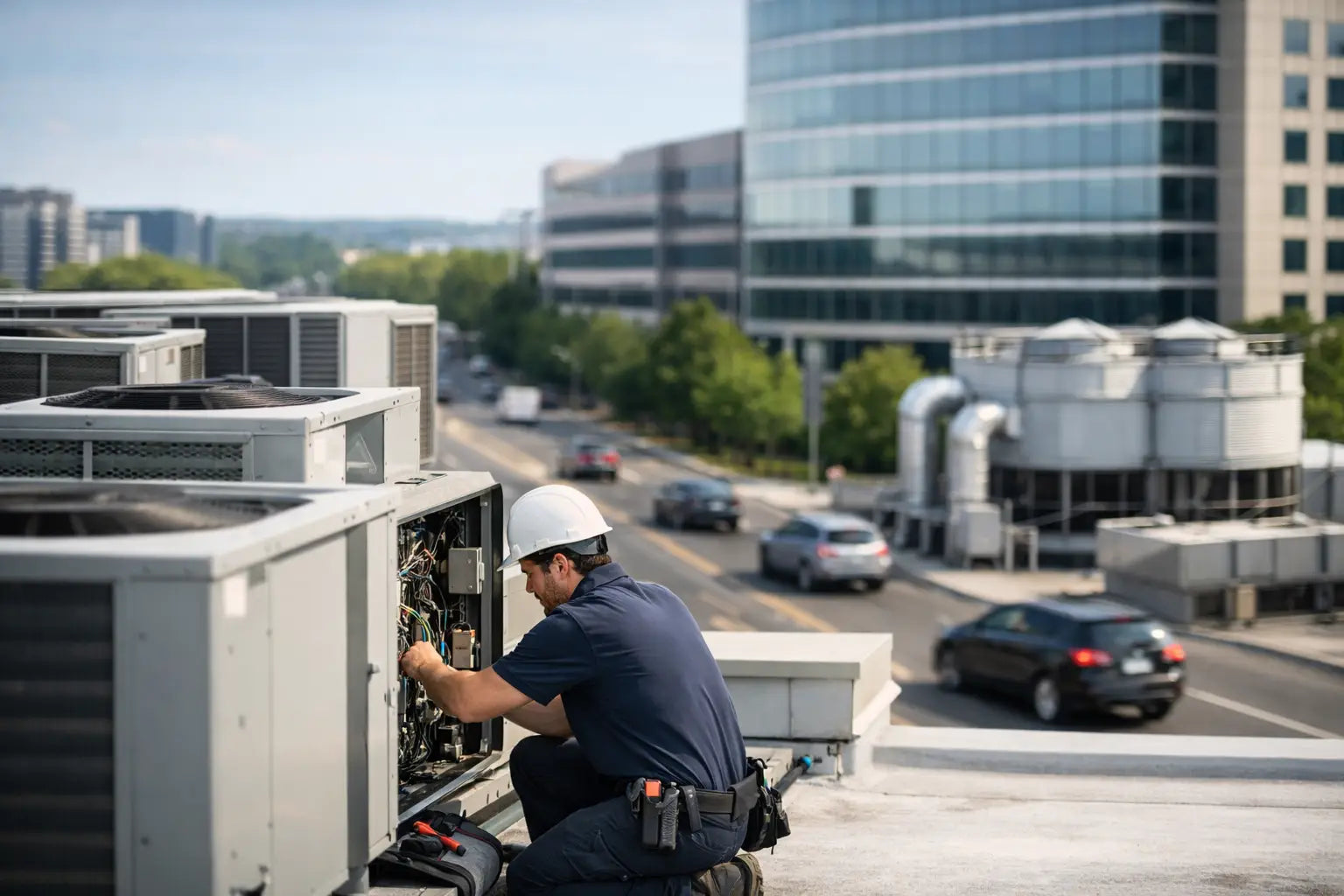
Most residential air-conditioning systems have a practical service life of about 10 to 15 years. Commercial systems may have a different timeline depending on operating hours, load demand, ventilation, maintenance standards, and the environment they work in. An aircon in a busy F&B outlet or server room will generally experience more strain than one cooling a lightly used guest room.
Once a system is past 10 years old, replacement deserves serious consideration when a major component fails. Compressor replacement, extensive refrigerant leaks, damaged coils, or multiple faulty fan motors can lead to a large repair bill without guaranteeing trouble-free operation afterward.
Age is less decisive for a newer unit. If your five-year-old system has a minor drainage blockage, worn capacitor, or isolated sensor issue, targeted repair and proper servicing may restore it effectively. The key is to identify whether the problem is isolated or part of a wider pattern of deterioration.
Signs That Repair May No Longer Be Worth It
A single breakdown does not automatically mean you need a new system. But repeated symptoms often tell a clearer story. If you have called for repairs several times within a year, the cost and disruption can quickly exceed the value of keeping an aging system alive.
Pay close attention when your aircon shows several of these signs:
- Rooms take much longer to cool, even after cleaning and servicing.
- The system blows inconsistent air, with some rooms cold and others warm.
- Water leaks, ice buildup, unusual noise, or unpleasant odors keep returning.
- Your electricity bills rise despite similar usage habits.
- The compressor is noisy, frequently trips, or struggles to start.
- Refrigerant gas has to be topped up repeatedly, suggesting a leak in the system.
- Replacement parts are difficult to source or increasingly expensive.
Use the Repair-to-Replacement Cost Test
A practical rule is to compare the current repair cost with the value and remaining life of the system. If a major repair costs roughly 30% to 50% of a comparable new installation, especially for a unit over 10 years old, it is usually time to request a replacement quotation.
This is not a rigid formula. A high-quality system with a repairable fault may still be worth saving. On the other hand, a cheaper repair can be poor value if it only postpones another breakdown by a few months. Ask for a clear diagnosis, the specific parts involved, expected repair life, and whether other components are showing wear.
Cooling Performance and Power Bills Matter
An aging aircon can remain operational while quietly becoming inefficient. You may notice the compressor running for long periods, rooms feeling humid even at a low temperature setting, or a sharp increase in electricity consumption. These are not always signs that replacement is required, but they should trigger a proper assessment.
First, rule out maintenance issues. Clogged filters, dirty fan coil units, blocked drain lines, and dirty condenser coils can all reduce cooling efficiency. Regular servicing is often enough to improve performance on a healthy system.
If the system remains inefficient after thorough servicing and technical checks, replacement may offer better operating value. Modern inverter systems can adjust their output to match cooling demand more efficiently than older fixed-speed units. The actual savings depend on usage, unit sizing, room insulation, sun exposure, and user habits, so avoid promises based on a single headline figure.
For businesses, inefficient cooling affects more than utility bills. Staff comfort, customer experience, equipment reliability, and operating continuity all depend on stable temperature control. A planned replacement is usually far less disruptive than an emergency replacement after a complete system failure.
Do Not Ignore Piping and Installation Quality
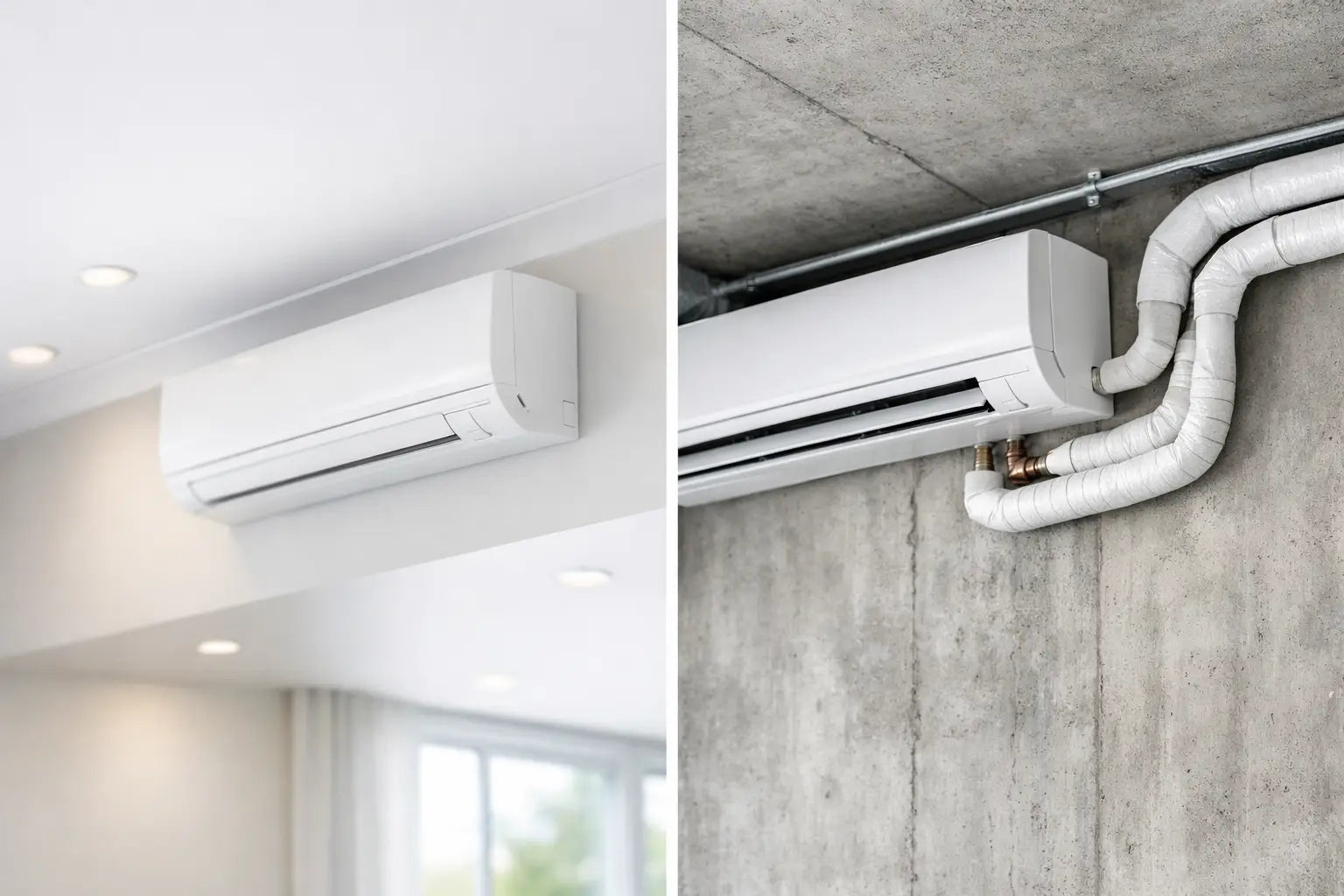
A new aircon unit is only part of the investment. The piping, insulation, drainage, electrical cabling, trunking, and workmanship behind the walls or box-up determine how well the system performs over time.
When replacing an existing system, assess whether the old copper piping can safely be retained. Reusing piping may reduce initial cost, but it is not always advisable. Old pipes may have internal contamination, weak joints, corrosion, incorrect sizing, or a history of refrigerant leakage. If the new unit uses a different refrigerant specification or requires different pipe sizing, replacement is often the safer technical choice.
For a long-lasting installation, material details matter. Properly sized copper piping, durable Class 0 insulation, correctly sloped drainage, reliable electrical cables, pressure testing, vacuuming, and neat finishing are not optional extras. They protect cooling performance and reduce the risk of future leaks, condensation, and messy rectification work.
This is especially relevant for BTO and resale homeowners planning concealed piping or aircon box-up works. It is easier and cleaner to make the right system plan before renovation finishes than to reopen ceilings or cabinets after a piping issue appears.
Plan Replacement Before a Breakdown Forces the Decision
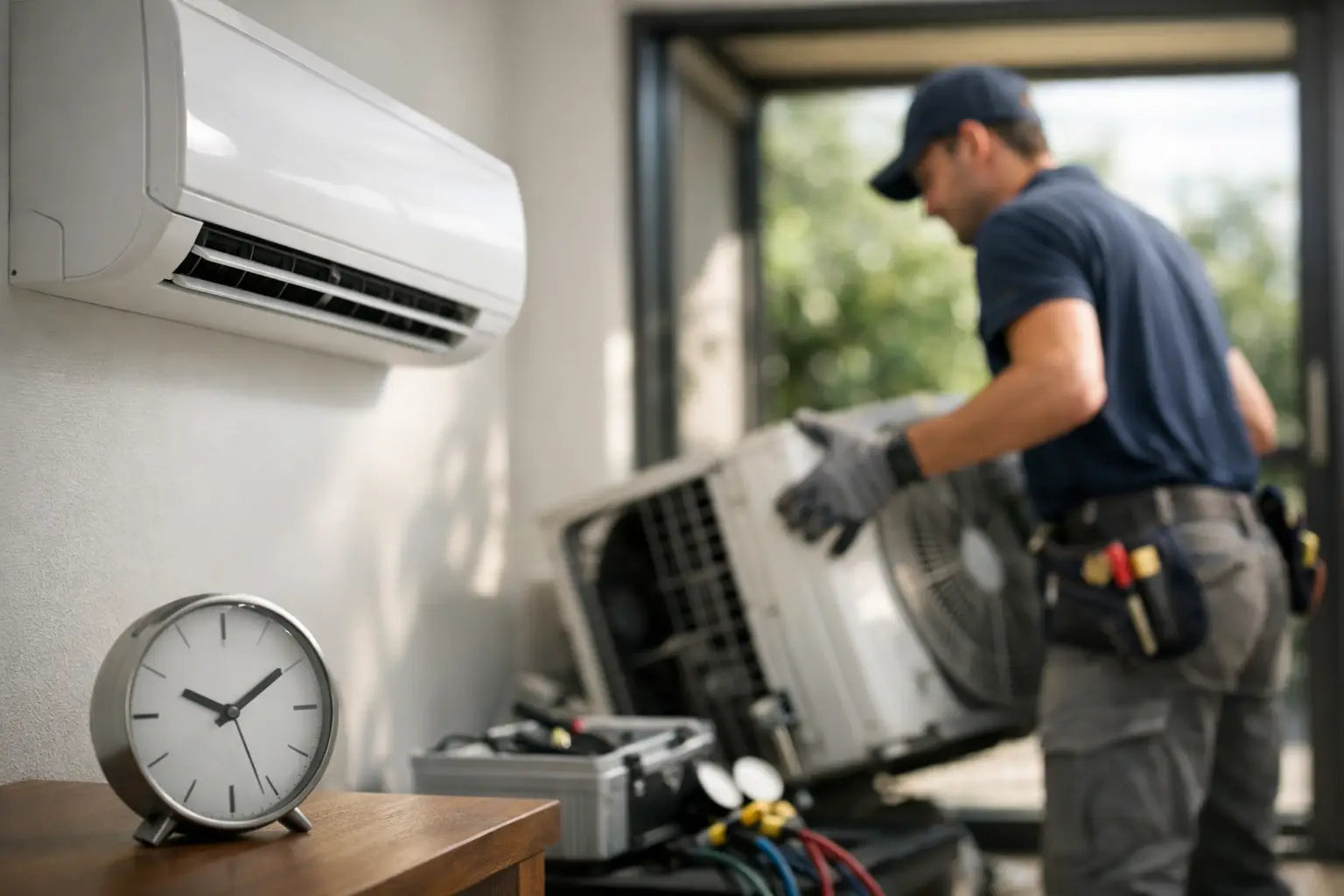
The best replacement timing is often before your system reaches total failure. Waiting until the aircon stops completely can limit your choices, create discomfort at home, and force a rushed decision based only on immediate availability.
For homeowners, plan an assessment when the system approaches the 10-year mark, before major renovation work, or after repeated repairs. If you are moving into a resale property, inspect the aircon system early. A unit that looks clean externally may still have aging piping, hidden drainage issues, or a weak compressor.
For offices, retail outlets, F&B premises, and industrial spaces, replacement planning should be tied to operating schedules. Consider quieter periods, renovation windows, lease renewals, or planned closures. A qualified installer can help sequence the work by area so essential rooms remain usable where possible.
Choose Capacity Based on Real Conditions
Replacement is also an opportunity to correct sizing mistakes. An oversized unit may cool quickly but cycle too often and control humidity poorly. An undersized unit may run continuously, wear faster, and struggle during peak heat.
A proper recommendation should consider room size, ceiling height, occupancy, heat-producing equipment, window exposure, and whether doors are frequently opened. Commercial spaces need additional evaluation for operating hours and heat loads. Choosing capacity based only on the old unit’s rating can repeat the same problem.
What to Ask Before Approving a New Installation
A replacement quote should be clear enough for you to understand what is included and what could lead to additional work. Do not compare packages by condenser and fan coil price alone. Ask whether the proposal includes piping replacement or reuse, insulation grade, copper thickness, drainage routing, electrical work, trunking, removal of old units, testing, and warranty support.
You should also ask how the contractor handles defects after installation. A reliable provider has a defined service process, accountable technicians, and the technical capability to diagnose issues rather than pass responsibility between different subcontractors. For a system you rely on every day, after-sales support is part of the purchase decision.
Commercestar Engineering approaches replacement as an engineering decision, not just a unit swap. A careful site assessment and premium installation materials can help prevent the same leaks, poor drainage, and weak cooling issues from following you into a new system.
Replace With a Long-Term View
The right time to replace an aircon is when repairs are becoming repetitive, performance no longer meets your needs, or the risk of a major failure outweighs the cost of a planned upgrade. For newer systems with isolated faults, repair can still be the sensible choice. For aging systems with declining efficiency, leaking piping, or costly component failures, replacement gives you a chance to reset the entire installation properly.
Before the next breakdown decides for you, arrange a professional assessment of your unit, piping, and cooling requirements. A clear technical recommendation today can keep your home comfortable or your business running when the weather is least forgiving.